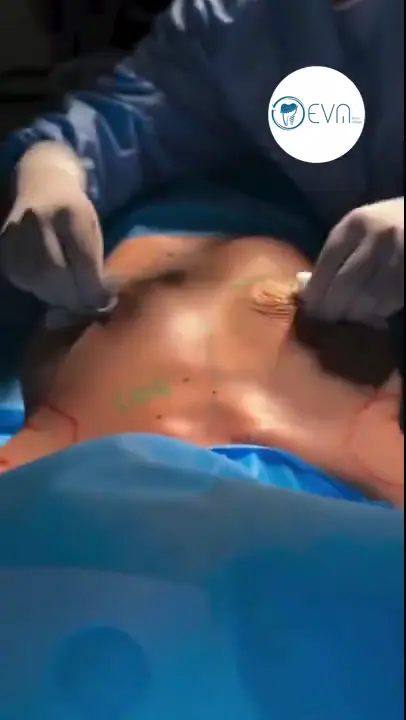
Breast Lift
Understanding Breast Reduction Surgery Before Travelling
Individual reduction mammaplasty planning in Istanbul, with clear discussion of breast size, symptoms, scars, risks, recovery and realistic proportional goals.

Related Patient Stories
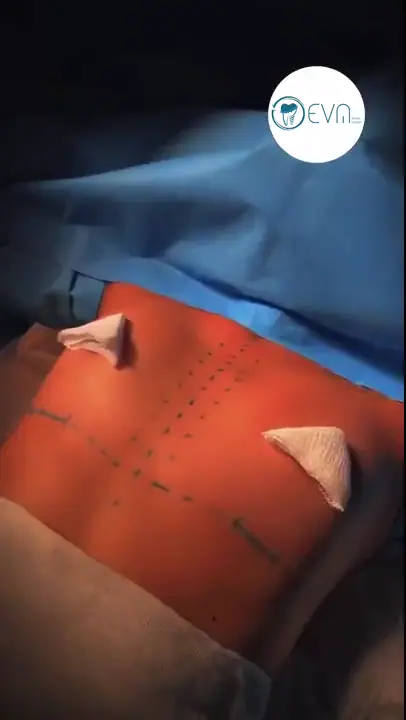
Breast Augmentation
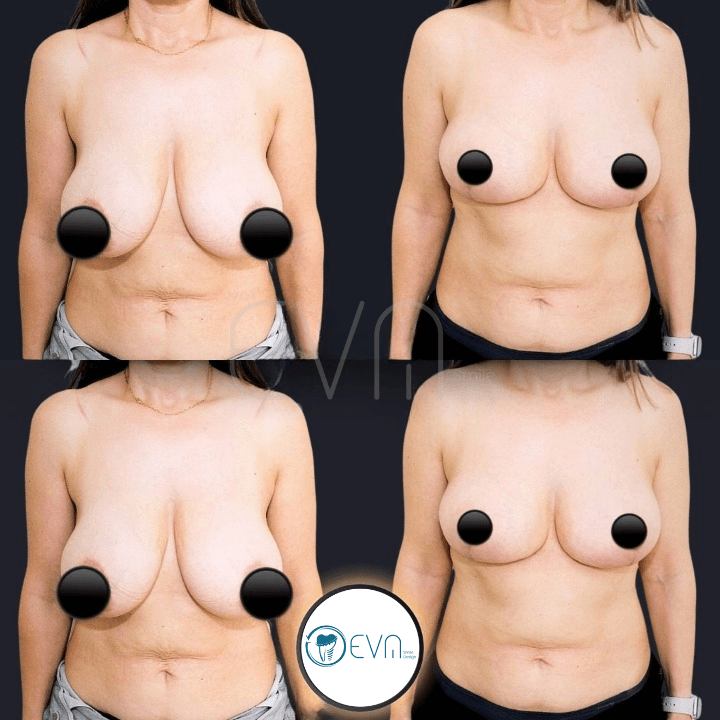
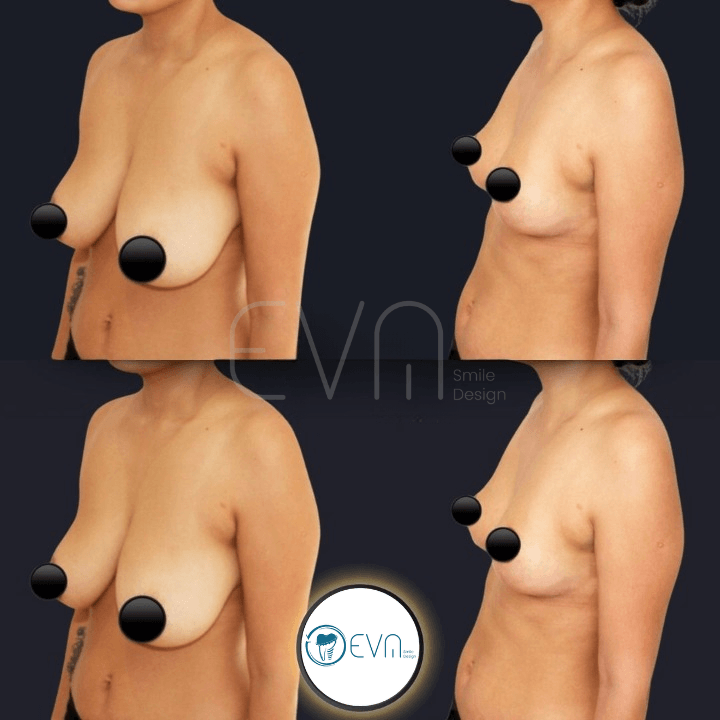
Abbigail Breast Augmentation Before and After
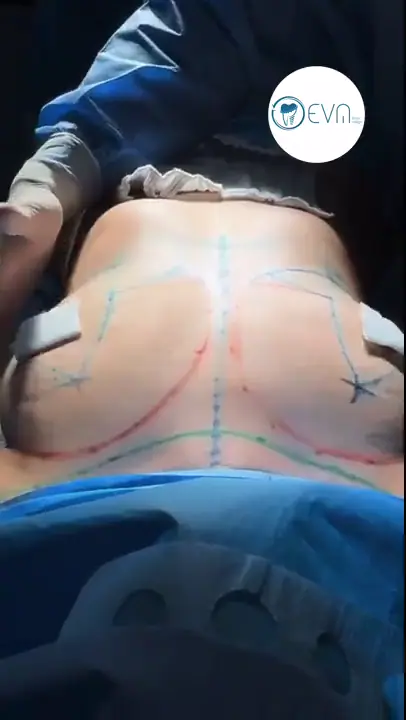
Breast Lift
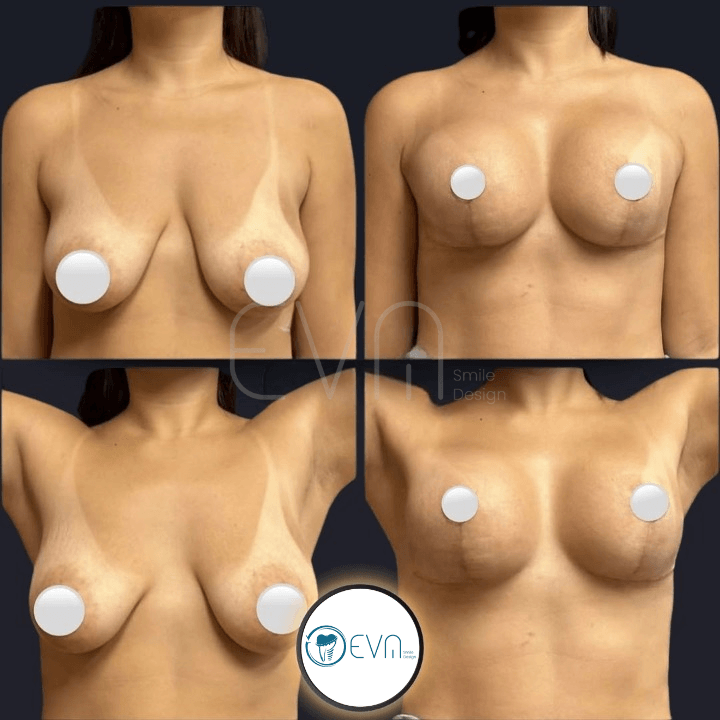
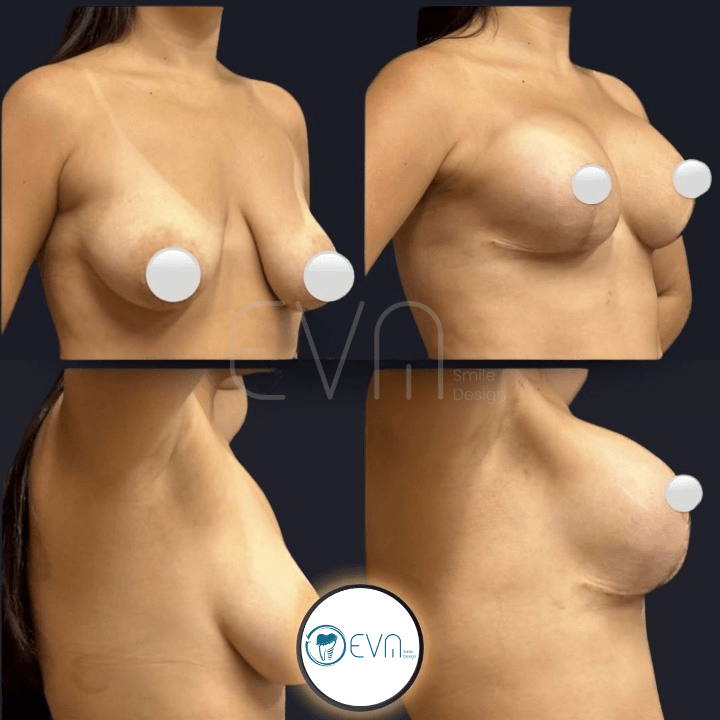
Alayna Breast Lift in Turkey Before and After
Breast Augmentation
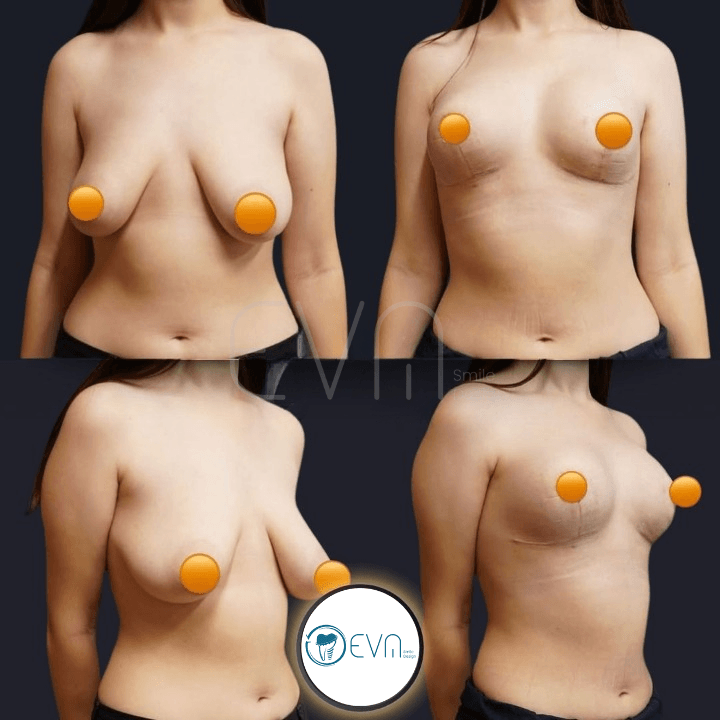
Amaya Breast Augmentation in Turkey Before and After
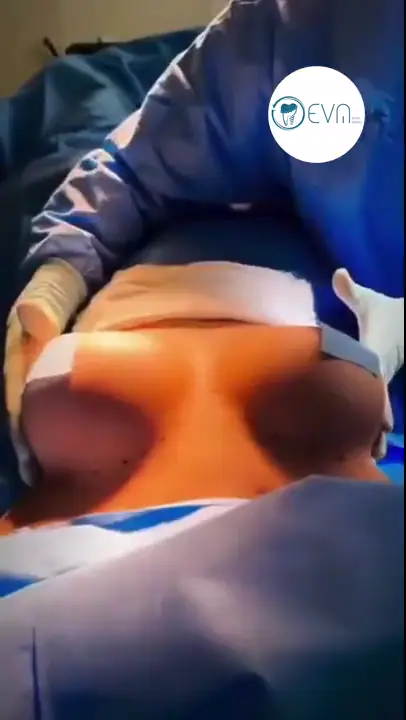
Breast Lift
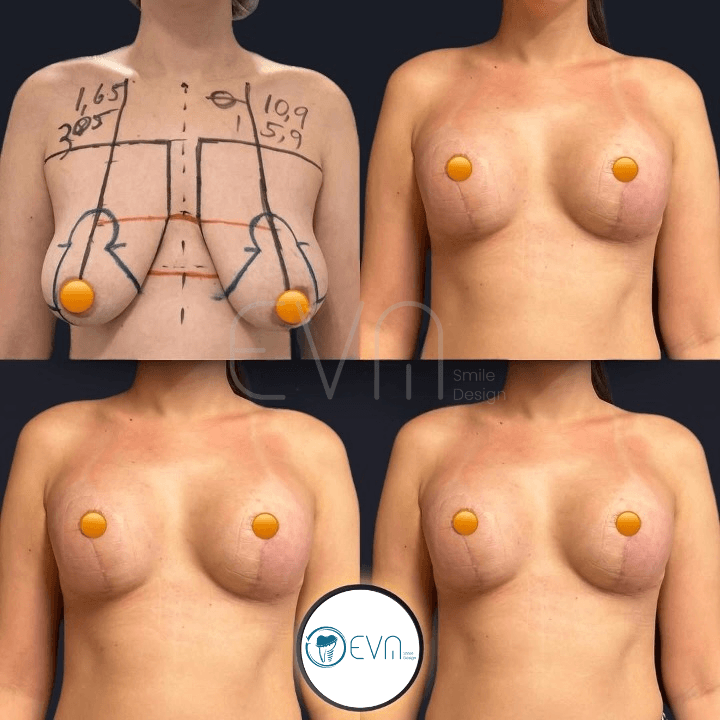
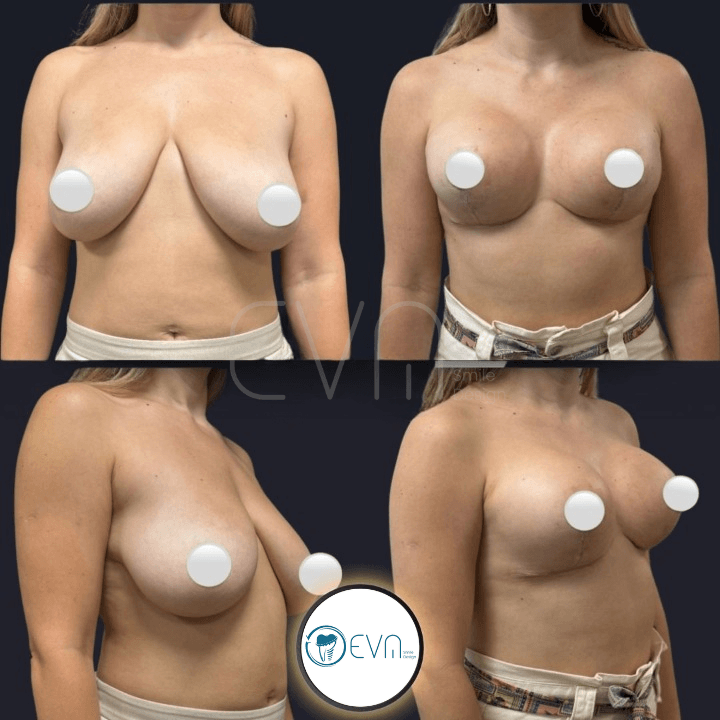
Alisha Breast Lift Before and After

Breast Augmentation
Ariel Breast Augmentation in Turkey Before and After
What Is Breast Reduction?
Breast reduction, or reduction mammaplasty, removes selected breast tissue, fat and skin and reshapes the remaining breast. The operation is tailored to anatomy, symptoms and proportional goals.
The plan considers breast size and composition, skin quality, nipple position, asymmetry, health, smoking, pregnancy and breastfeeding priorities, acceptable scars and the amount that can be removed safely.
Treatment Overview
Reduction Planning Considerations
The balance between symptom goals, breast proportion, scars, tissue viability and recovery is individual.
Size & Symptom Goals
Proportional Reduction
The surgeon discusses a safe reduction range rather than promising an exact cup size.
Functional Concerns
Neck, shoulder, skin and activity concerns are reviewed together with other possible causes.
Technique & Safety
Scars and Shape
Incision pattern and reshaping depend on breast size, skin excess and nipple position.
Tissue Viability
Blood supply, sensation, healing risks and breastfeeding priorities are part of informed planning.
Treatment Environment & International Patient Journey
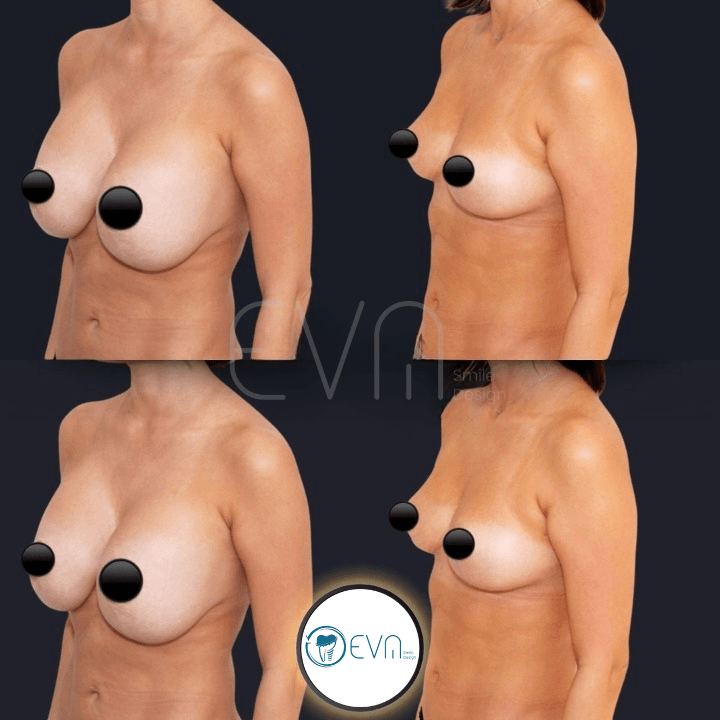
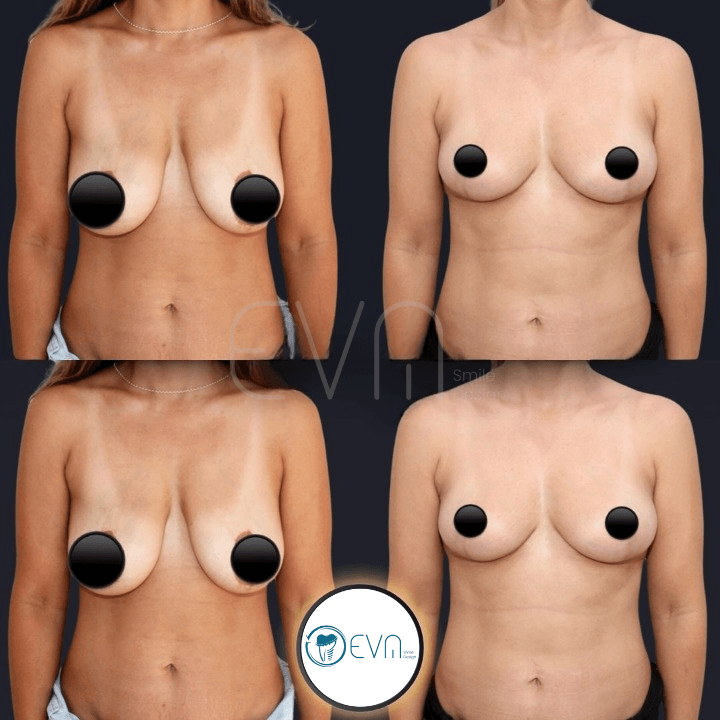
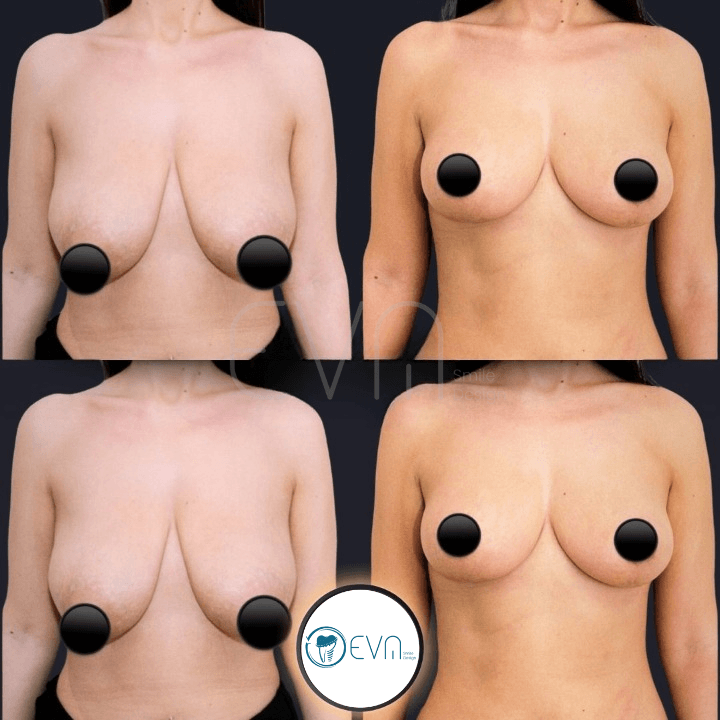
Examples of partner healthcare environments used during coordinated treatment in Istanbul. Facility allocation depends on the confirmed clinical plan.
How Treatment Planning Works
Treatment abroad begins with information gathering and a preliminary review. Final suitability, risks and the treatment plan are confirmed only after assessment by the responsible clinician.
Get in Touch with Us
Have a question or want to learn more about what we do? We're here to help you.
Breast Reduction in Turkey: Planning Reduction Mammaplasty in Istanbul
Breast reduction, also called reduction mammaplasty, removes selected breast tissue, fat and skin and reshapes the remaining breast. It may be considered by people troubled by breast size, weight, discomfort or proportion. Eva Smile & Aesthetics supports international patients with defined non-clinical coordination before and after consultation in Istanbul. Only the responsible plastic surgeon can confirm suitability, the operative plan and the expected balance between size, shape, scars and safety.
What Is Breast Reduction Surgery?
Breast reduction is an individual surgical procedure. The surgeon removes a planned amount of tissue, fat and skin, reshapes the breast and repositions the nipple–areola complex when appropriate. The operation commonly includes lifting as part of reshaping.
No webpage, photograph or package can promise an exact cup size. Bra sizing is not standardised, breast composition varies and final shape changes as swelling settles. Consultation should focus on symptoms, anatomy, proportional goals, acceptable scars and realistic outcomes.
Why People Consider Breast Reduction
People may ask about reduction because of physical symptoms, functional limitations or concerns about proportion. Commonly discussed issues include neck, shoulder or back discomfort; skin irritation beneath the breasts; bra-strap grooves; difficulty exercising or finding supportive clothing; asymmetry; and self-consciousness related to breast size.
These concerns can have more than one cause. Surgery may improve selected symptoms but cannot guarantee complete relief, perfect symmetry or a particular appearance.
Who May Be Considered?
Assessment commonly considers general health, breast anatomy, symptoms, skin and tissue quality, weight stability, smoking or nicotine exposure, medication, previous surgery, pregnancy plans, breastfeeding priorities and the ability to follow recovery instructions.
Surgery may be postponed or not recommended when health findings, active smoking, unstable weight, pregnancy or breastfeeding, abnormal breast findings, unrealistic expectations or another clinical factor increases risk. The responsible surgeon decides after the required examination and investigations.
Consultation, Examination and Imaging
A responsible consultation should include medical history, allergies, medication and supplement review, breast examination, measurements, asymmetry, skin quality, nipple position, previous scars and discussion of symptoms and goals. Tell the surgeon about personal or family history of breast disease and any recent breast changes.
Breast imaging or additional assessment may be recommended according to age, history, examination findings or local clinical guidance. Photographs can support preliminary communication but do not replace physical examination or necessary imaging.
Techniques and Scar Patterns
The incision pattern depends on breast size and shape, skin excess, nipple position, tissue quality, the amount of reduction and the surgeon’s plan.
Vertical pattern
Incisions commonly run around the areola and vertically to the breast crease. This may suit selected reductions.
Inverted-T or anchor pattern
Incisions commonly run around the areola, vertically to the crease and along the breast crease. This may be used when more extensive removal and reshaping are needed.
Liposuction within the plan
Liposuction may be used in selected areas or cases, but it does not replace tissue removal and skin reshaping when these are required. It has its own limitations and risks.
Every breast reduction leaves permanent scars. Scars usually change over time but cannot be made invisible, and scar quality varies between people.
Nipple Position, Sensation and Blood Supply
During many reductions, the nipple and areola remain attached to supporting tissue while being moved to a new position. Protecting blood supply and sensation is an important part of planning. In very large or complex reductions, other approaches may be discussed.
Changes in nipple or breast sensation, difficulty breastfeeding and partial or total loss of nipple or areola tissue are recognised risks. Individual risk depends on anatomy, technique, smoking, health and the extent of surgery.
What Happens During Surgery?
Breast reduction is commonly performed under general anaesthesia in an appropriate healthcare facility. The surgeon makes the planned incisions, removes selected tissue, fat and skin, reshapes the breast and repositions the nipple–areola complex when appropriate. Incisions are closed and dressings or a support garment applied. Drains may be used in some cases.
Operation time, monitoring, length of stay and discharge arrangements vary. The treating team should explain the individual plan, anaesthesia, facility, responsible clinicians and postoperative care before consent.
How Much Smaller Will the Breasts Be?
The surgeon may discuss an estimated range based on symptoms, anatomy and proportional goals, but an exact cup size cannot be guaranteed. Removing more tissue can affect shape, blood supply, sensation and the technical plan. Safety and viable tissue take priority over a requested bra label.
Early appearance is affected by swelling, dressings and tissue settling. Final size and shape should be assessed only after appropriate healing and follow-up.
Risks and Possible Complications
Breast reduction is invasive and is not risk-free. Possible risks include:
Bleeding, haematoma, infection or fluid collection
Delayed or poor wound healing
Thick, widened or noticeable scars
Breast asymmetry or contour irregularity
Temporary or permanent nipple or breast sensation changes
Fat necrosis or firm areas
Partial or total loss of nipple, areola or skin tissue
Difficulty or inability to breastfeed
Anaesthesia complications
Blood clots and heart or lung complications
Unsatisfactory size or shape
Need for additional or revision surgery
Smoking and nicotine exposure can substantially impair blood supply and wound healing. Personal risks and how complications would be managed must be discussed directly with the responsible surgeon.
Recovery After Breast Reduction
The first days
Swelling, bruising, tightness, soreness and temporary sensation changes may occur. Dressings, a surgical bra and sometimes drains may be used. Follow written instructions for wound care, medicines, sleeping position and activity.
The first weeks
Light activity may gradually increase, but lifting, strenuous exercise and pressure on healing incisions are commonly restricted. Time away from work depends on the operation and job demands. General guidance often describes recovery over several weeks, but individual instructions take priority.
The following months
Swelling and breast shape continue to settle. Scars mature over many months. Weight change, pregnancy, ageing and gravity can alter the result later.
Warning Signs and Urgent Concerns
The facility should provide emergency contact instructions before discharge. Seek urgent assessment for significant or one-sided swelling, persistent bleeding, severe or increasing pain, worsening redness or heat, pus or unusual discharge, fever, wound separation, colour change affecting the nipple or skin, calf pain or swelling, chest pain, shortness of breath, fainting or any symptom identified as urgent by the treating team.
Eva is not an emergency service. In an emergency, obtain appropriate local emergency care without waiting for a coordination reply.
Breastfeeding, Pregnancy and Weight Change
Breastfeeding after reduction may be possible for some people, but it cannot be guaranteed. The effect depends on anatomy and technique. Discuss future pregnancy and breastfeeding priorities before consent.
Pregnancy, breastfeeding and substantial weight fluctuation can change breast size, skin and shape. People planning pregnancy or active weight loss may be advised to delay surgery.
Travelling to Istanbul for Breast Reduction
Breast reduction in Turkey should not be treated as an ordinary holiday. Travel plans should allow time for consultation, required tests or imaging, surgery, monitoring, wound review and recovery. Swimming, sunbathing, alcohol, heavy luggage and strenuous tourism may be unsuitable during early healing.
Before travelling, verify the surgeon’s identity and credentials, the healthcare facility, anaesthesia arrangements, written treatment plan, risks, quotation, aftercare and the plan for complications after returning home.
Flying Home After Surgery
The appropriate time to fly cannot be determined from a webpage or generic package. It depends on the operation, anaesthesia, wound condition, mobility, clot risk, follow-up schedule, flight duration and the surgeon’s advice.
Discuss fitness to fly, compression garments, movement during travel, medication, luggage restrictions and travel-insurance requirements with the responsible clinical team.
Follow-Up After Returning Home
Before surgery, establish which reviews occur in Istanbul, whether drains or non-dissolving sutures require removal, who will assess wounds at home, how records will be shared and who pays for local, complication or revision care.
Remote photographs may help communication but cannot replace an in-person examination when one is clinically required.
Breast Reduction Cost in Turkey
There is no single reliable price. Cost varies with surgical complexity, reduction amount, technique, surgeon and facility fees, anaesthesia, tests or imaging, garments, medication, length of stay and follow-up.
A written quotation should identify the proposed procedure, known inclusions and exclusions, payment stages, cancellation terms, circumstances that may change the amount and whether complication or revision care is included. A low advertised price should not replace provider verification or informed decision-making.
Your Coordination Pathway
Step 1 — Share your enquiry
Describe your concerns, symptoms, previous breast surgery, pregnancy history and what you hope to understand.
Step 2 — Provide requested information
You may be asked for photographs, medical history, medication and available breast imaging information.
Step 3 — Preliminary review
Information may support an initial discussion but does not confirm suitability or technique.
Step 4 — Verify providers and facility
Review the surgeon, healthcare facility and anaesthesia arrangements.
Step 5 — Attend individual assessment
The responsible surgeon examines you and decides whether reduction may be appropriate.
Step 6 — Review plan and consent
Understand the estimated reduction, scars, alternatives, risks, recovery, costs and follow-up.
Step 7 — Treatment and discharge
Surgery proceeds only when approved by the responsible professionals and facility.
Step 8 — Follow-up and return home
Follow clinical instructions and maintain access to appropriate local care.
Frequently Asked Questions
Is breast reduction the same as a breast lift?
No. Reduction removes breast volume as well as reshaping and lifting. A lift mainly removes excess skin and reshapes existing tissue without necessarily reducing much volume.
Can I choose an exact cup size?
No exact cup size can be guaranteed. The surgeon can discuss proportional goals and an estimated range after examination.
Will I have scars?
Yes. Every surgical reduction leaves permanent scars. Their position depends on the technique and their appearance changes with time.
Can it relieve back or shoulder pain?
It may improve selected symptoms in suitable patients, but symptoms can have other causes and complete relief cannot be promised.
Can nipple sensation change?
Yes. Sensation may increase, decrease or be lost temporarily or permanently.
Can I breastfeed afterwards?
Breastfeeding may remain possible, but it cannot be guaranteed and depends on anatomy and technique.
How long does recovery take?
Recovery varies. NHS information describes a general range of roughly two to six weeks, while swelling, scars and shape continue to change for longer. Follow the responsible surgeon’s plan.
When can I exercise?
Only according to the treating surgeon’s instructions. Heavy lifting and strenuous exercise are commonly restricted during early healing.
Can photographs confirm my technique?
No. Photographs may support preliminary discussion, but physical examination and required imaging are necessary.
Can surgery be cancelled after I arrive?
Yes. New findings, test results or safety concerns may require modification, delay or cancellation.
When can I fly home?
The responsible clinical team must advise based on the operation and recovery. Do not rely on a generic package duration.
Does Eva decide whether I am suitable?
No. Eva coordinates defined non-clinical stages. Suitability and treatment decisions belong to the responsible surgeon and facility.
Sources
American Society of Plastic Surgeons — Breast Reduction Risks and Safety
British Association of Aesthetic Plastic Surgeons — Patient Information
Content updated: 6 August 2026.
MEDICAL AND EDITORIAL NOTICE
This page provides general information about breast reduction surgery and international-patient planning. It does not diagnose a condition, confirm suitability, establish an individual treatment plan, replace informed consent, provide emergency advice or guarantee a result. Clinical decisions and instructions must be provided by the responsible plastic surgeon and healthcare facility.
