
Hollywood Smile
Comprendre les couronnes en zircone avant de voyager
Comprehensive assessment and individually planned restorative dentistry in Istanbul. We focus on tooth preservation, stable function and natural-looking ceramic results.
Témoignages de patients associés

Facettes dentaires
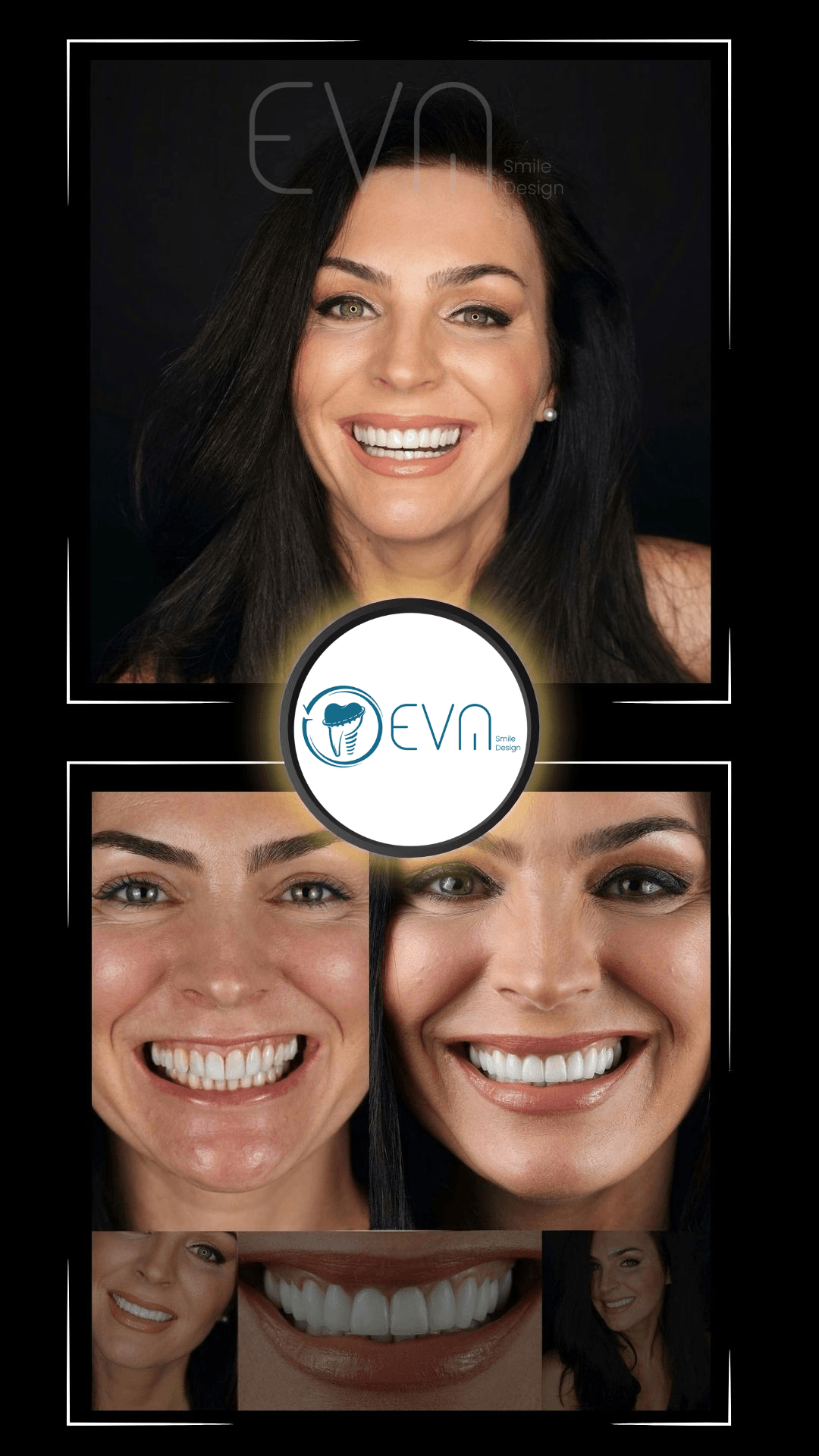
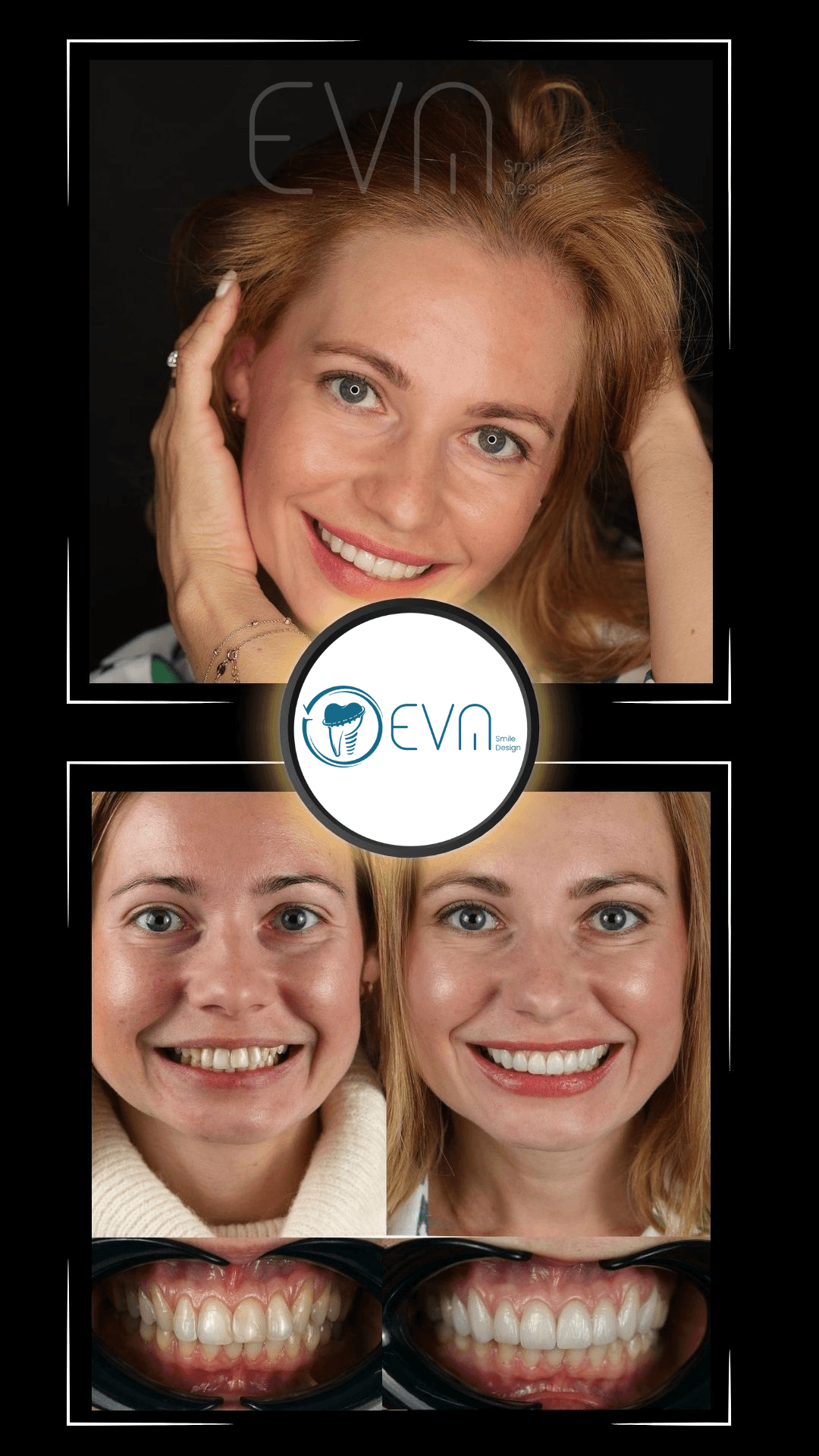
Abby Facettes dentaires in Turkey Before and After

Relooking du sourire
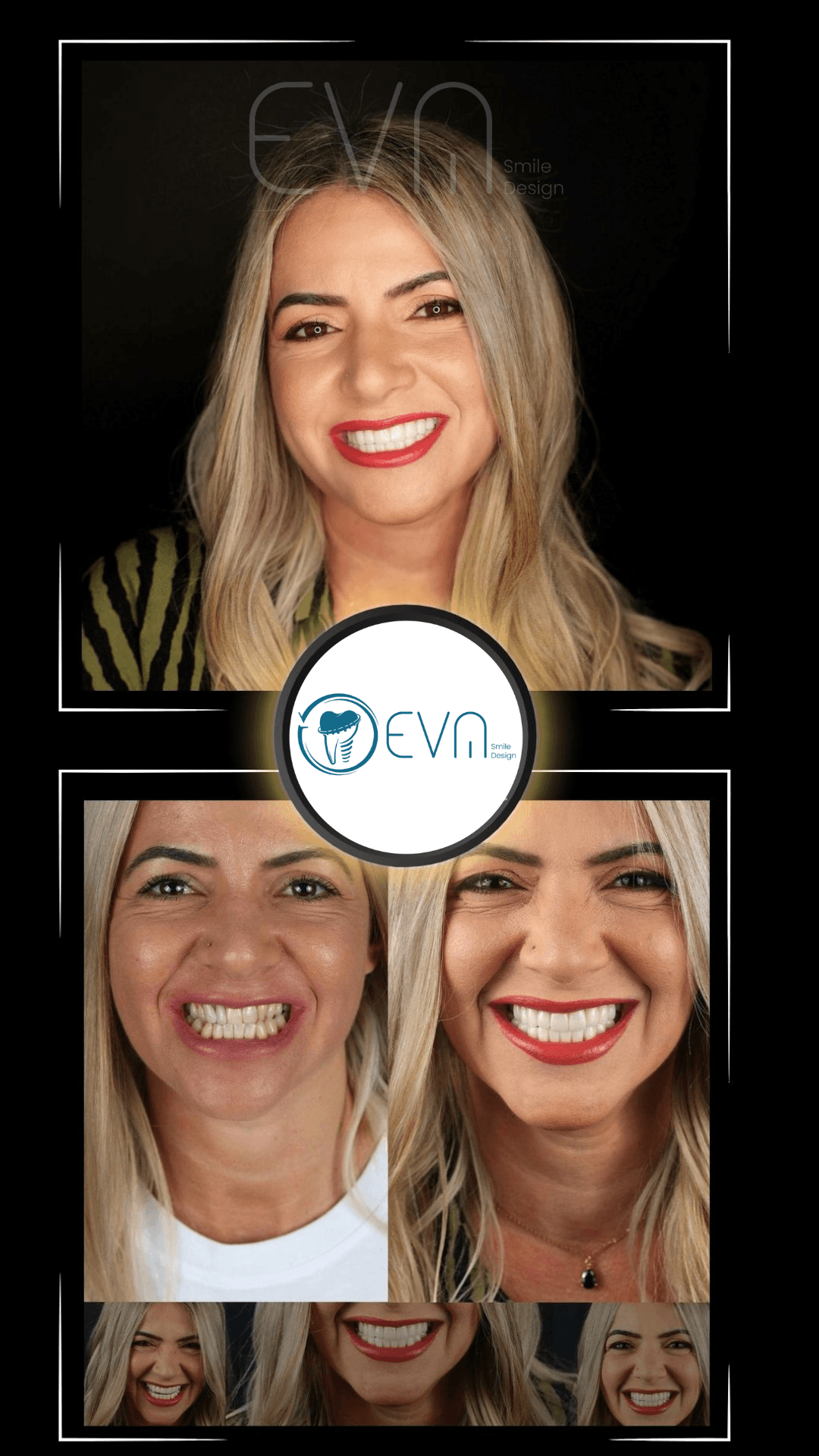
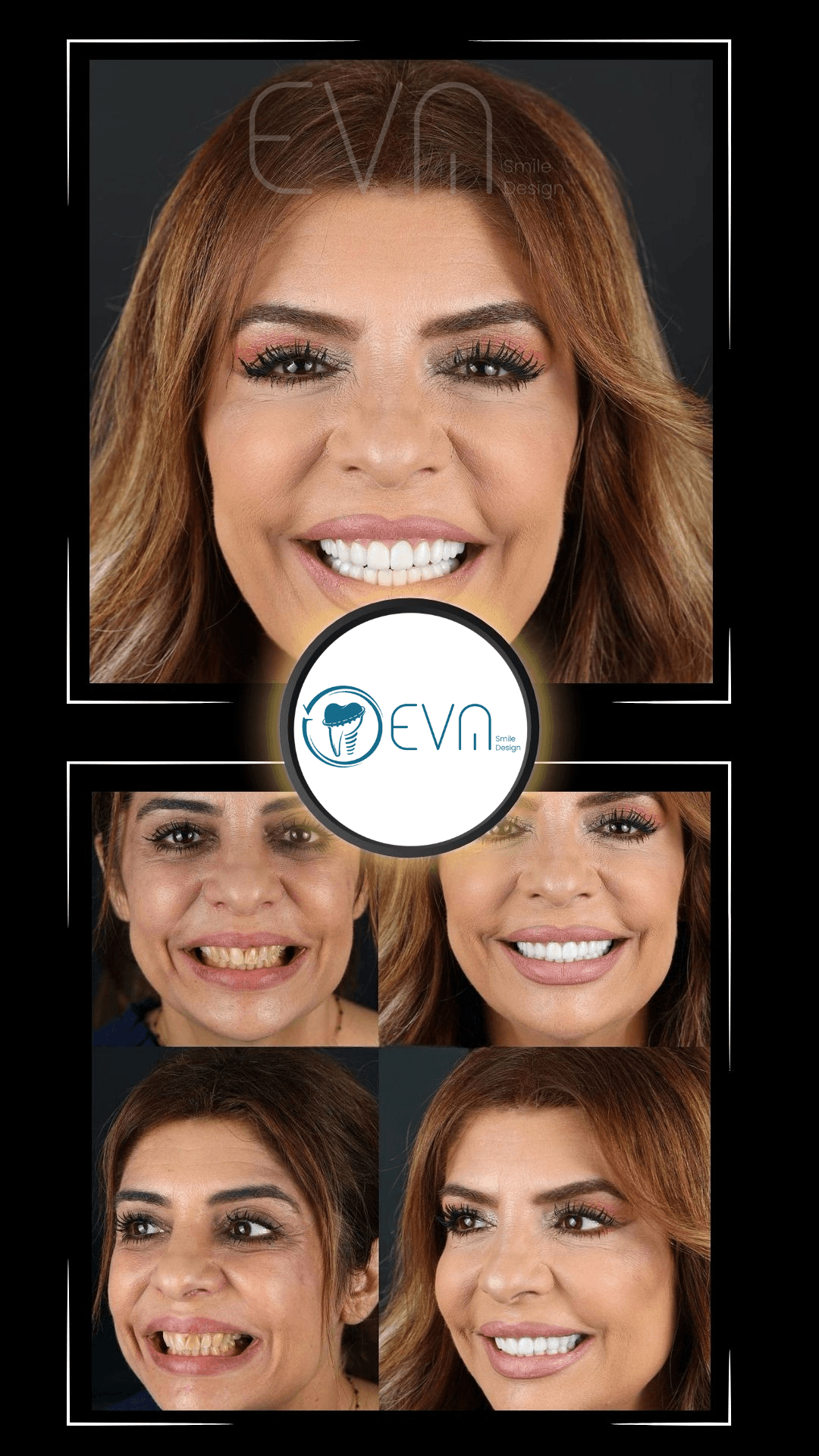
Abagail Relooking du sourire in Turkey

Hollywood Smile
Hollywood Smile d’Aimee avant et après

Facettes dentaires
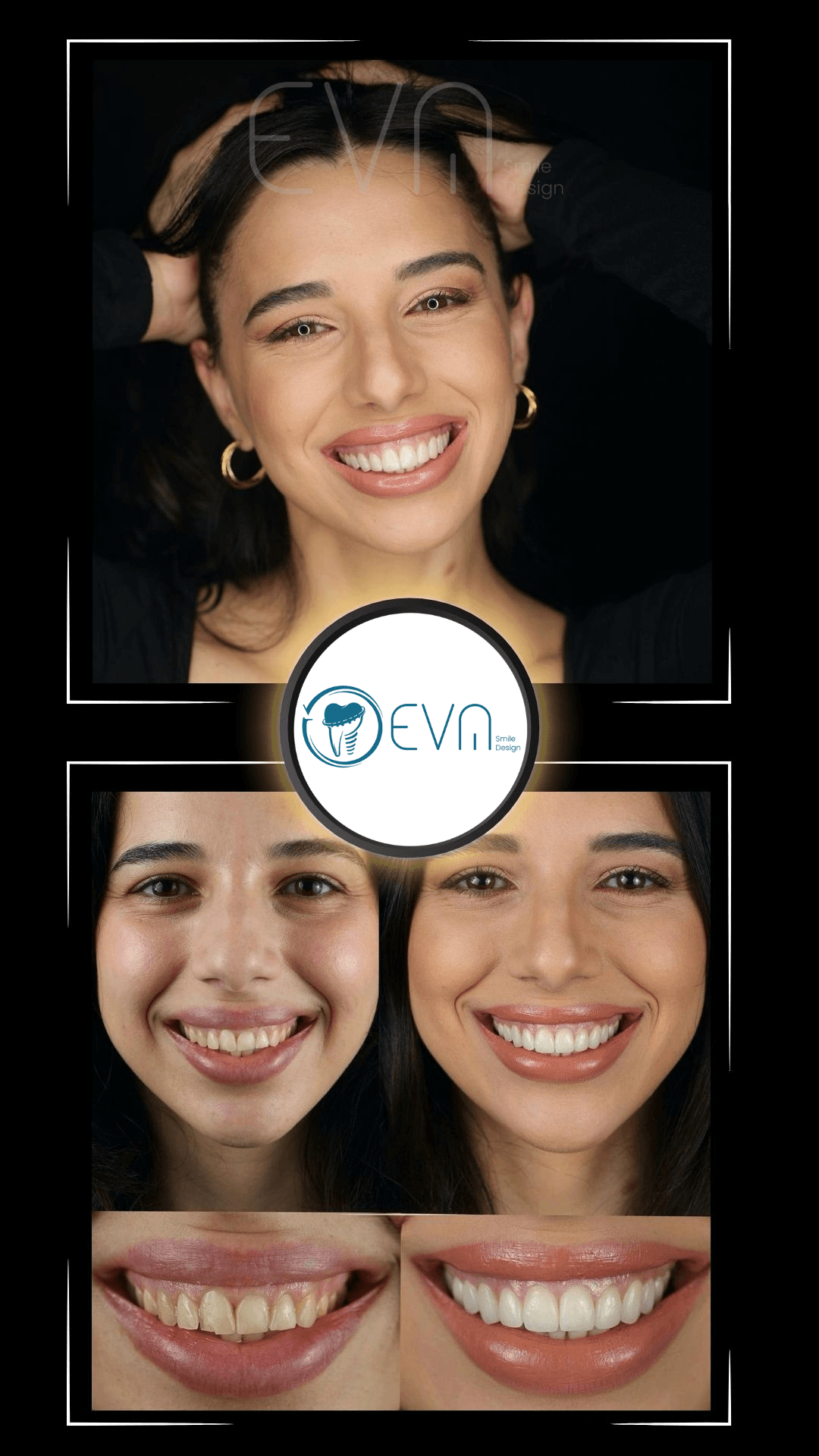
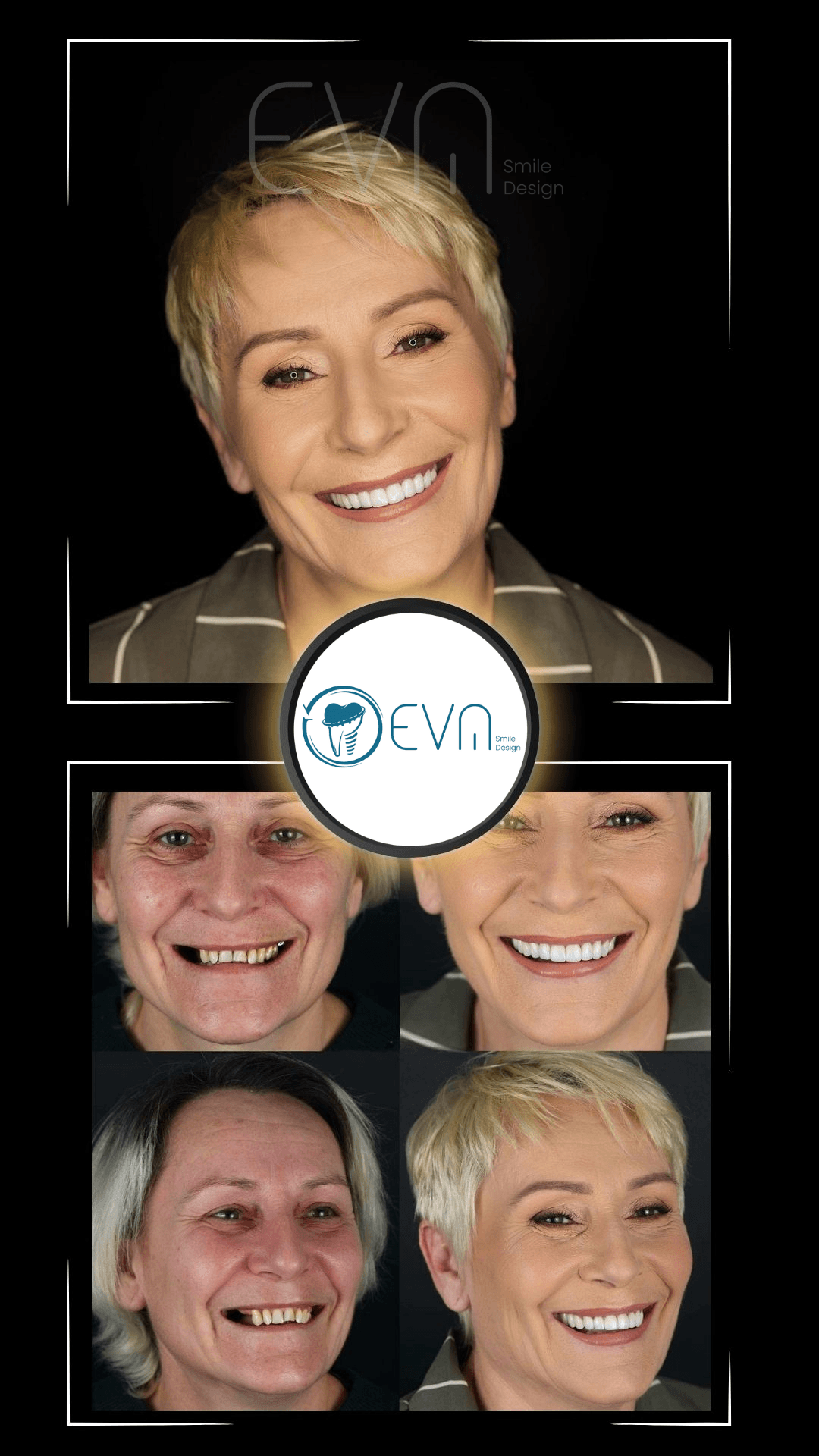
Benjamin Facettes dentaires in Turkey Before and After
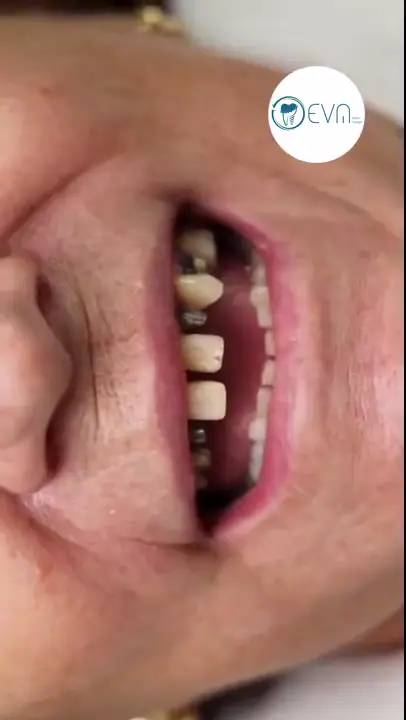
Relooking du sourire
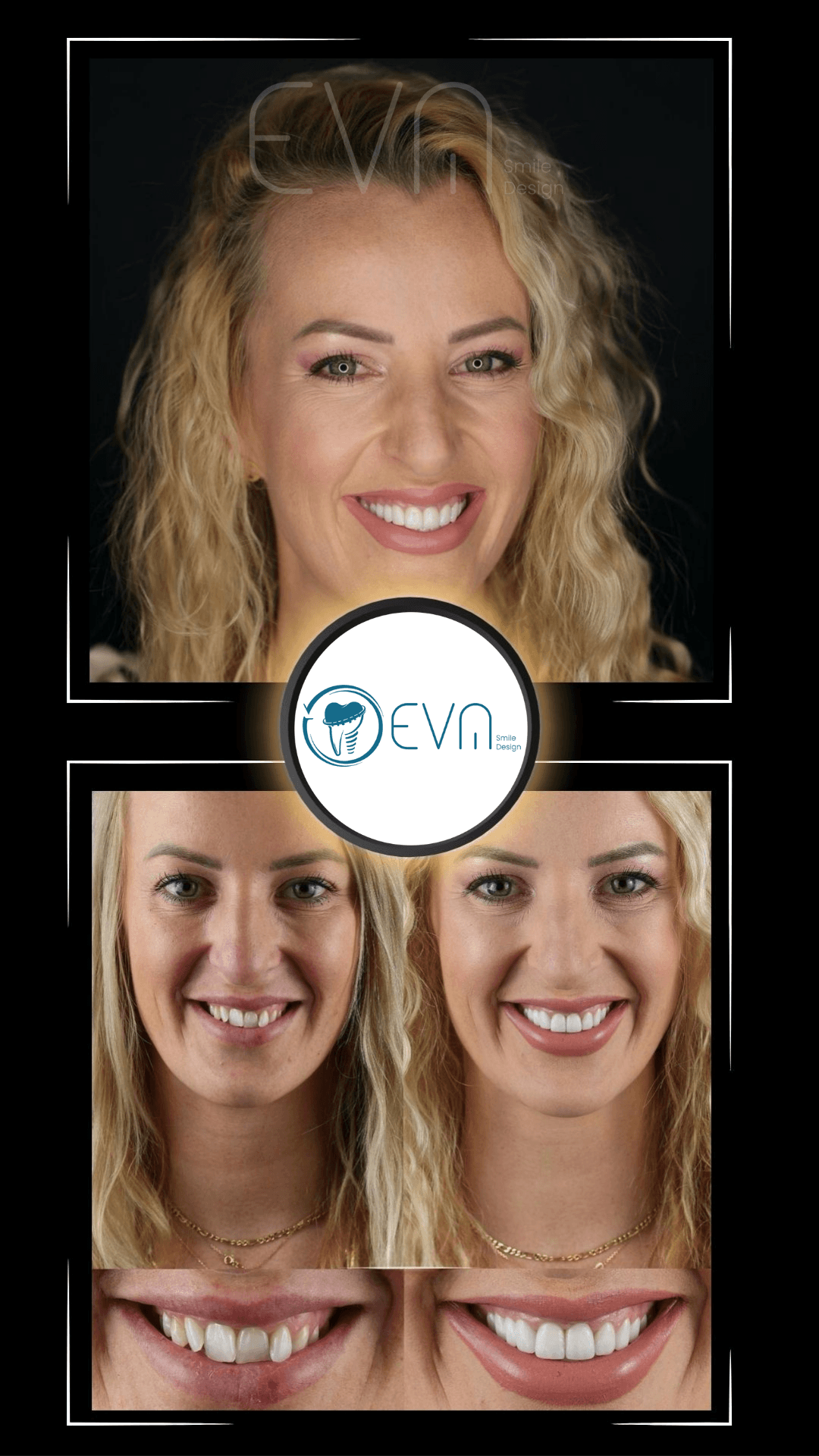
Amari Relooking du sourire in Turkey Before and After
Que sont les couronnes en zircone ?
Zirconium crowns are custom-made ceramic restorations that cover prepared teeth or restore dental implants to rebuild shape, strength, function and appearance.
Le succès dépend d’un diagnostic précis, de gencives saines, d’un support suffisant, d’une préparation conservatrice, d’un travail de laboratoire précis et d’une occlusion équilibrée. Le type de zircone est choisi après l’évaluation clinique.
Aperçu du traitement
Considérations cliniques
Comprendre l’objectif clinique des restaurations céramiques à couverture complète.
Restaurer les dents
Résistance & couverture
Une couronne en zircone peut protéger et restaurer une dent fragilisée ou compléter une restauration implantaire.
Planification esthétique
Teinte, translucidité, contour et surface sont planifiés par rapport aux dents voisines.
Planification individuelle
Préparation dentaire
La préparation dépend de la structure restante, de l’espace, du matériau et de l’occlusion.
Laboratoire & ajustement
Scans ou empreintes guident la fabrication avant le contrôle de l’ajustement, des contacts, de la teinte et de l’occlusion.
Galerie de sourires en céramique
Découvrez l’expérience en clinique et le parcours personnalisé de restauration céramique à Istanbul.
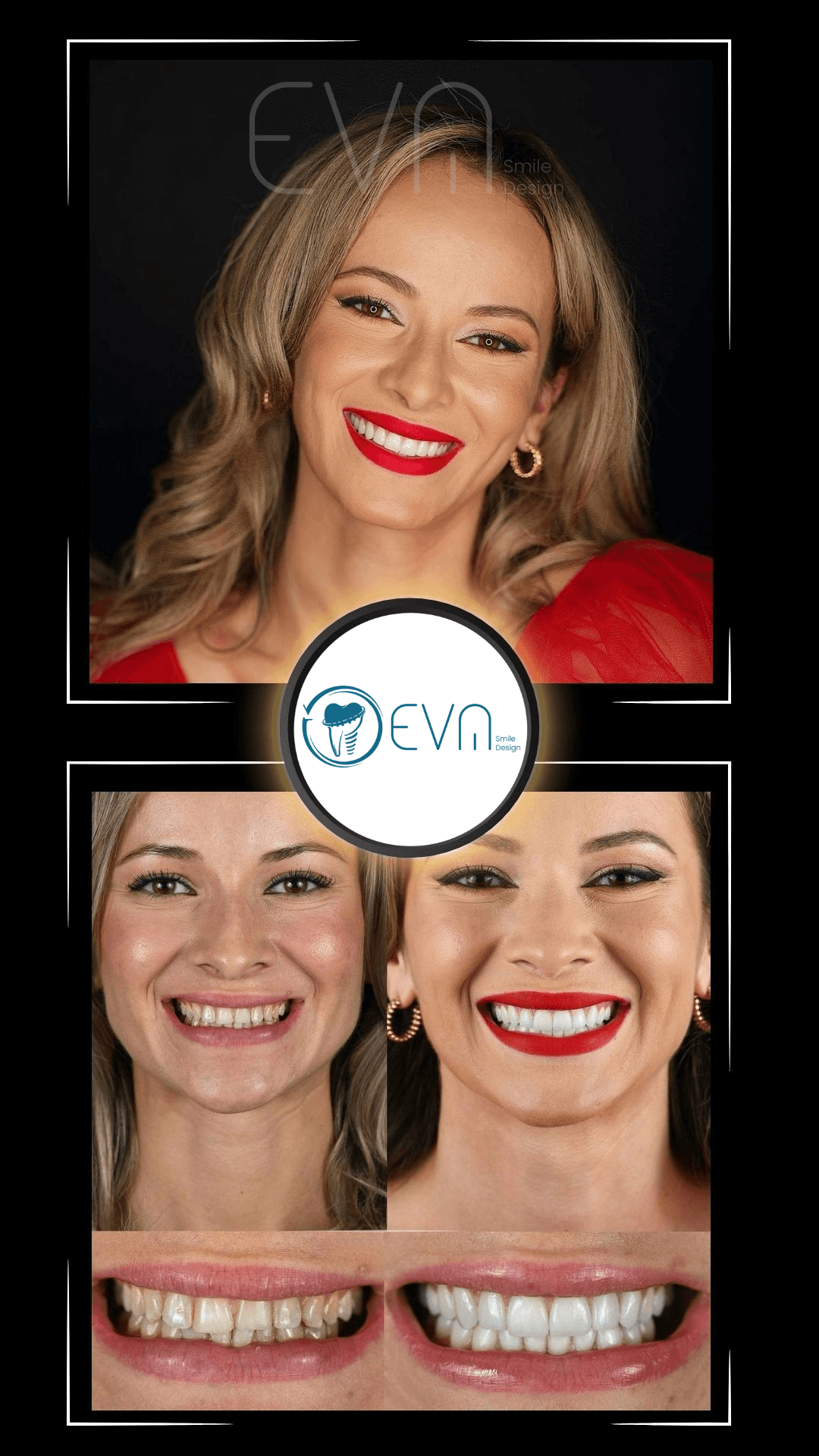
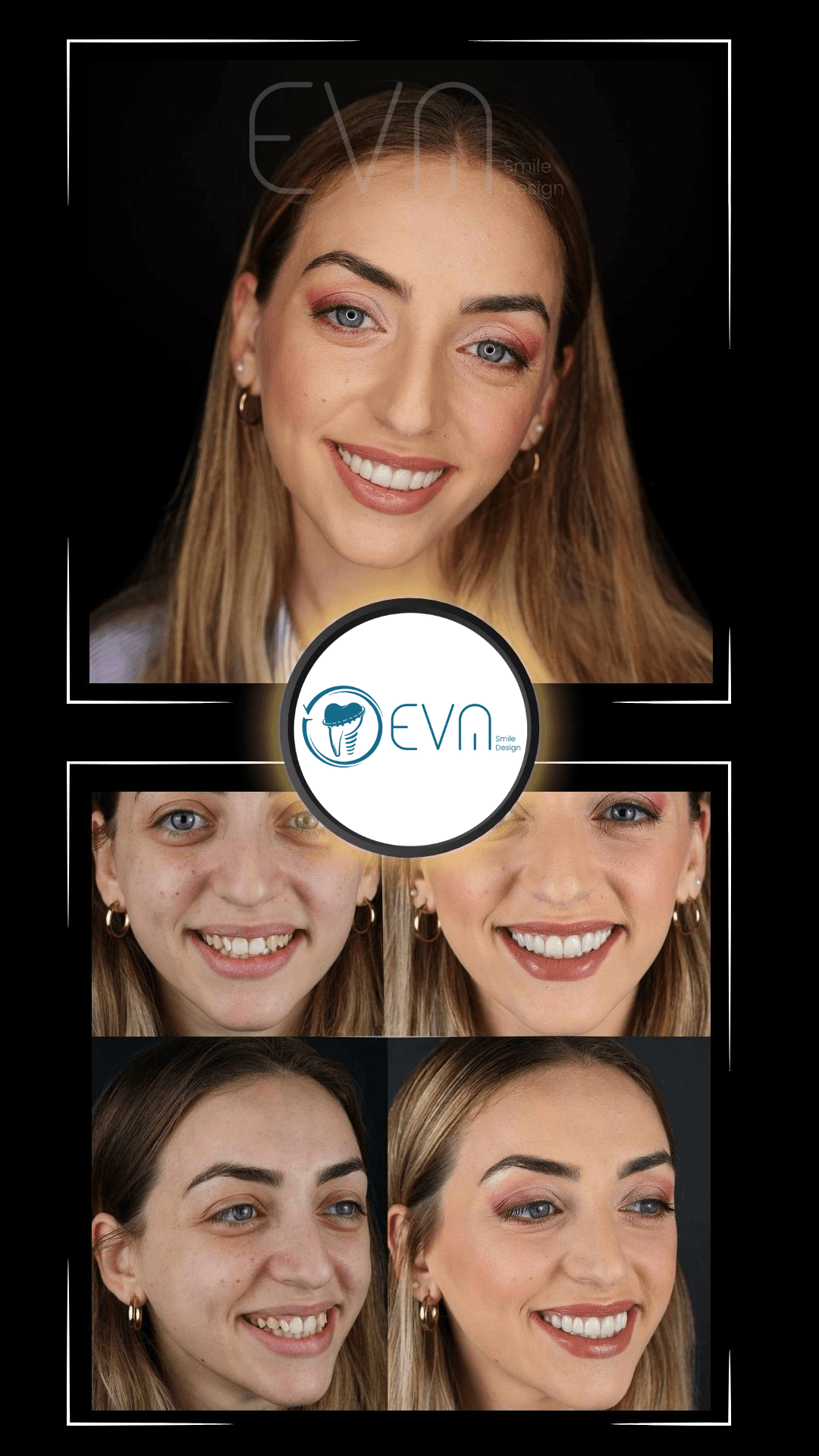
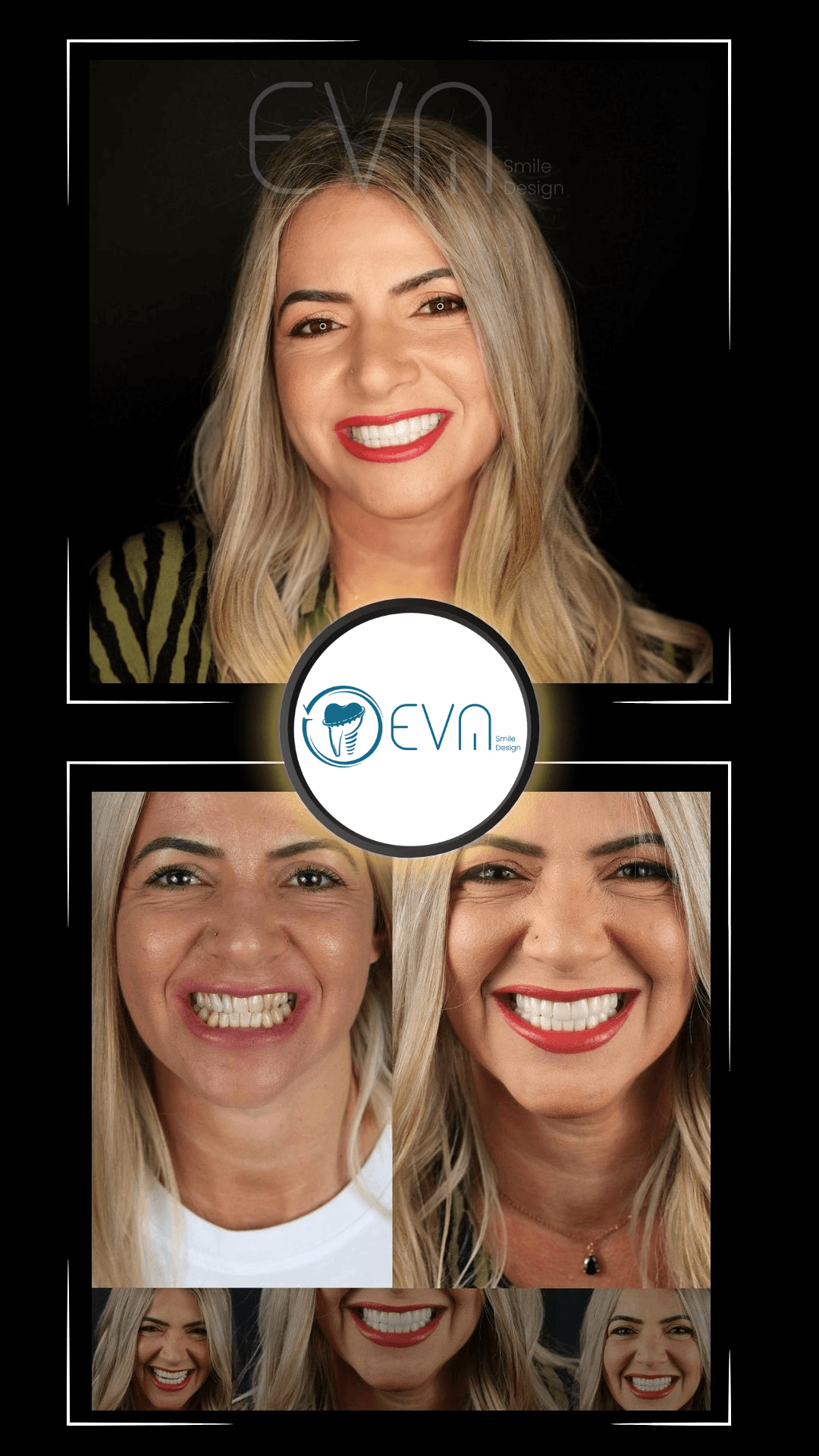
Comment fonctionne la planification du traitement
Un traitement à l’étranger commence par la collecte d’informations et un examen préliminaire. L’admissibilité finale, les risques et le plan de traitement ne sont confirmés qu’après l’évaluation du professionnel responsable.
Contactez-nous
Vous avez une question ou souhaitez en savoir plus sur notre activité ? Nous sommes là pour vous aider.
Zirconium Crowns in Turkey: Planning Treatment in Istanbul
Zirconium crowns are tooth-shaped restorations made from zirconia-based dental ceramic. They cover prepared teeth or may form part of an implant-supported restoration. Eva Smile & Aesthetics helps international patients coordinate defined non-clinical stages of crown treatment in Istanbul.
What Is a Zirconium Crown?
A crown covers the visible part of a tooth to restore shape, strength, function or appearance. Zirconia is a high-strength ceramic available in different formulations and translucencies.
The appropriate material depends on tooth position, remaining tooth structure, bite forces, colour requirements, restoration thickness and the clinician's assessment.
When May a Crown Be Considered?
A crown may be considered for a heavily restored, fractured, worn, root-treated or structurally weakened tooth, or to restore a dental implant. It may also be used where a veneer or direct filling cannot provide suitable coverage.
A crown is not automatically required for every discoloured or imperfect tooth. More conservative alternatives should be discussed when appropriate.
Types of Zirconia Restorations
Monolithic zirconia
A restoration milled primarily from zirconia may offer high strength and is often considered where bite forces are significant.
Layered zirconia
A zirconia framework may be layered with aesthetic ceramic to provide different optical characteristics. Material selection involves trade-offs between strength, translucency and space.
Assessment and Treatment Planning
Planning commonly includes clinical examination, dental imaging where appropriate, assessment of gums, decay, remaining tooth structure, bite, adjacent teeth and existing restorations.
Shade selection, photographs and digital scans may support planning. A preview cannot guarantee an identical final result.
The Zirconium Crown Treatment Process
Initial enquiry and available dental records
Clinical and radiographic assessment
Treatment of decay, gums or infection where required
Tooth preparation and core reconstruction if needed
Digital scan or impression
Temporary crown where required
Laboratory production of the zirconia restoration
Try-in, shade and bite checks
Final cementation or bonding
Review and maintenance
How Much Tooth Preparation Is Required?
A crown requires space for restorative material and usually involves irreversible removal of tooth tissue. The amount depends on the tooth, existing damage, material, bite and planned contour.
The clinician should explain why full coverage is recommended and whether a filling, onlay, veneer or another option could preserve more tooth structure.
Root Canal Treatment and Crowns
Not every crowned tooth needs root canal treatment. A root canal may be required when the dental pulp is irreversibly inflamed, infected or already treated.
Symptoms and imaging must be assessed individually. Root canal treatment should not be presented as an automatic part of crown preparation.
Risks and Possible Complications
Possible risks may include sensitivity, pain, pulp inflammation, need for root canal treatment, gum irritation, decay at the margin, crown loosening or fracture, ceramic chipping, bite discomfort, colour mismatch and future replacement.
Underlying teeth and gums remain biologically active and require ongoing care.
Temporary Crowns and Adaptation
A temporary crown may protect the prepared tooth while the final restoration is made. It can feel different from the final crown and may require dietary precautions.
After final placement, contact the treating dentist for persistent pain, a high bite, swelling, a loose crown or another unexpected concern.
How Long Does Crown Treatment Take?
The timeline depends on oral-health treatment, number of crowns, preparation, laboratory production, temporary restorations and adjustments.
Complex rehabilitation or gum treatment may require additional appointments or healing time.
Zirconium Crown Cost in Turkey
Cost may be affected by the number of teeth, zirconia type, laboratory, diagnostic records, core build-ups, root canal treatment, temporary crowns and follow-up.
A written quotation should identify the teeth, proposed material, included procedures, exclusions, payment stages and possible additional costs.
Travelling to Istanbul for Zirconium Crowns
Allow sufficient time for examination, preparation, laboratory work, fitting and adjustment. Travel plans should remain flexible until oral health and the treatment plan are confirmed.
Verify the treating professional, clinic, laboratory arrangements, material, aftercare and the plan for problems after returning home.
Aftercare and Long-Term Maintenance
Brush and clean between crowned teeth daily, attend professional reviews and avoid using restorations to bite hard objects. A night guard may be recommended for grinding or clenching.
Crowns are not lifetime restorations. They may require adjustment, repair, recementation or replacement over time.
Frequently Asked Questions About Zirconium Crowns
Are zirconium crowns metal-free?
Zirconia is a ceramic material and does not use a traditional metal alloy framework. The complete restoration design should be confirmed with the provider.
Do all damaged teeth need crowns?
No. The most conservative suitable restoration should be considered after assessment.
Will I need root canal treatment?
Not automatically. It is recommended only when clinical findings indicate that the pulp requires treatment.
Can zirconium crowns look natural?
Shade, translucency, shape and surface texture can be customised, but an exact appearance cannot be guaranteed.
Can crowns stain?
Zirconia ceramic is relatively stain resistant, but surface deposits, natural teeth and crown margins can change over time.
How long do zirconium crowns last?
No exact lifespan can be guaranteed. Tooth health, gums, bite, habits, material and maintenance influence longevity.
Can a crown be replaced?
Yes, but replacement may involve additional tooth preparation and depends on the condition of the tooth underneath.
Start With a Clear Crown Enquiry
Share recent dental images or X-rays if available, describe your symptoms and aesthetic concerns and provide information about previous treatment. Preliminary coordination does not replace an in-person assessment.
MEDICAL AND EDITORIAL NOTICE
This page provides general information. It does not diagnose a condition, confirm suitability, establish an individual treatment plan, replace informed consent or guarantee a result. Clinical decisions must be provided by the responsible dental professional.
Related Dental Treatments
dental implants · dental veneers · Hollywood Smile planning · Turkey teeth planning and risks guide
Sources
Content updated: 6 August 2026. Sources are provided for general patient information; individual clinical advice must come from the treating dental professional.
