Abdominoplastie
Comprendre l’abdominoplastie avant de voyager
Planification individuelle de l’abdominoplastie à Istanbul, avec une discussion claire de l’excès cutané, de la paroi abdominale, des cicatrices, des risques, du rétablissement et du voyage.
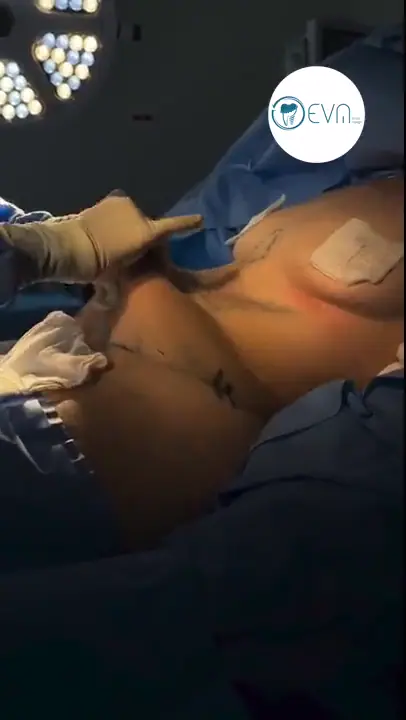
Tummy Tuck Avant & après Videos
Abdominoplastie
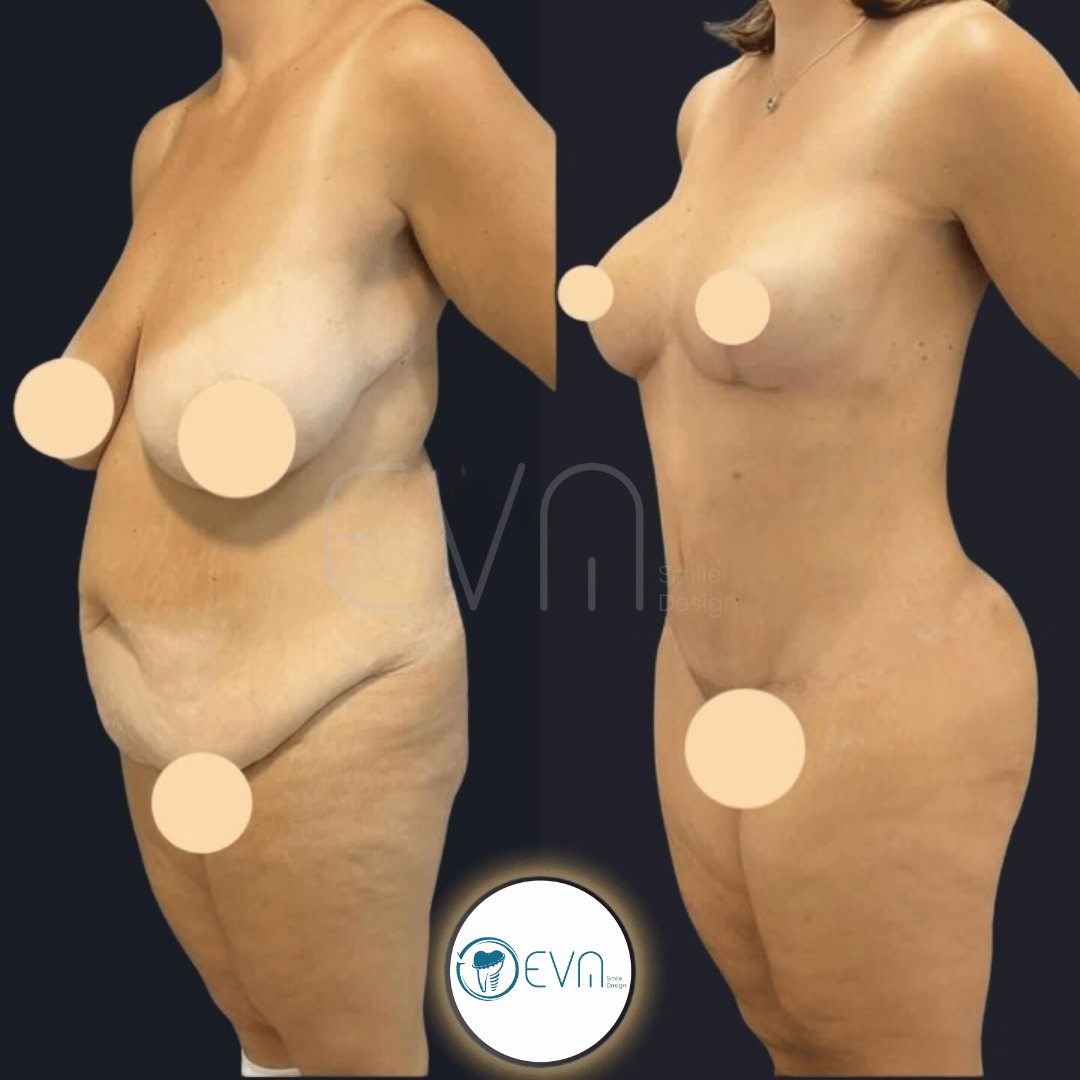
Abdominoplastie d’Alexa avant et après
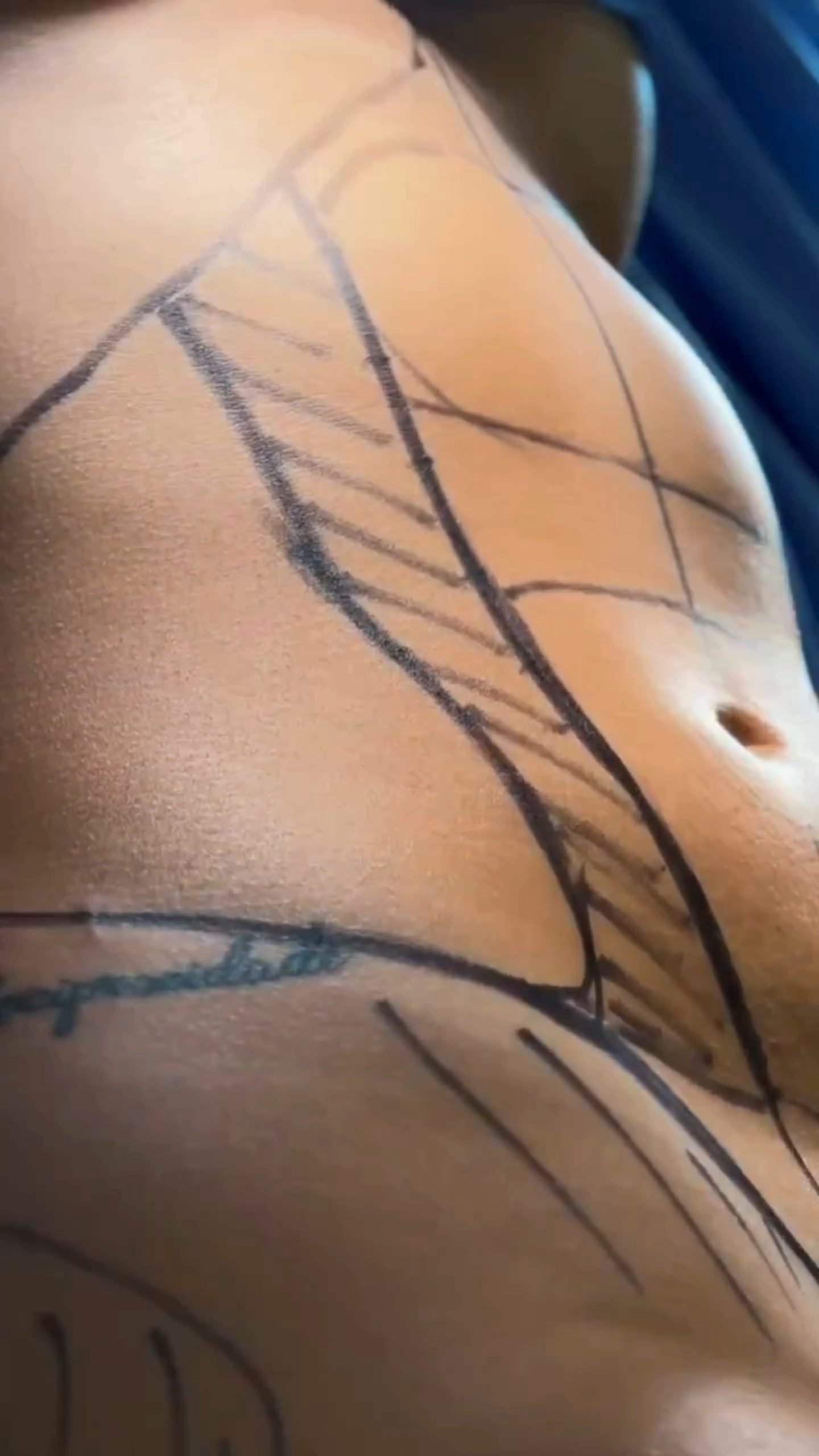
Abdominoplastie
Abdominoplastie d’Alia en Turquie avant et après

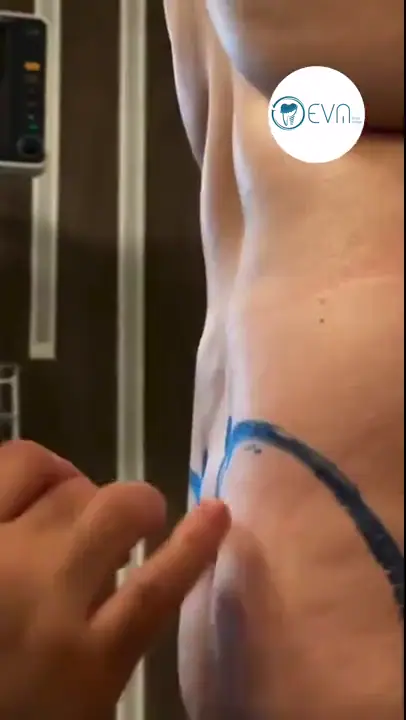
Abdominoplastie
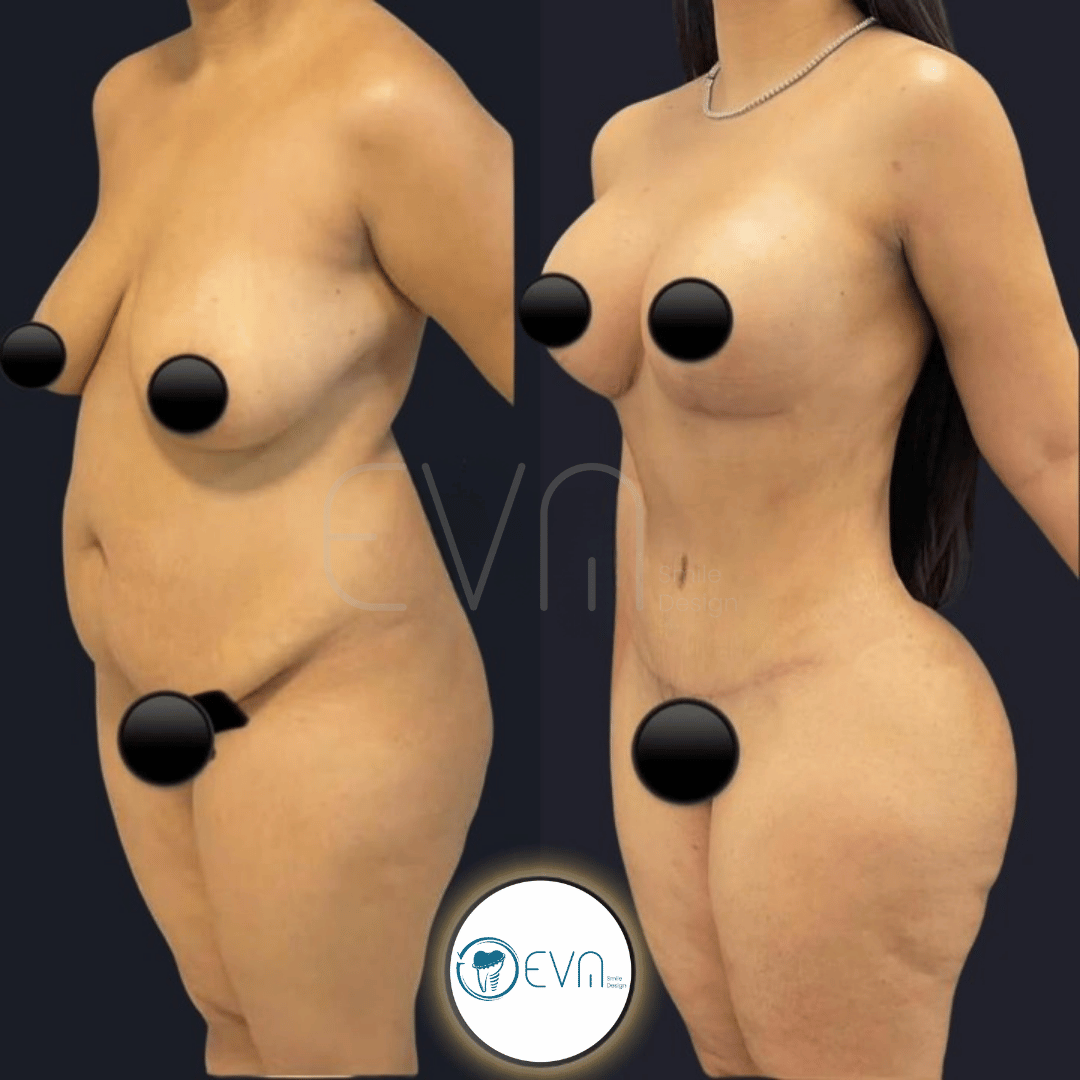
Abdominoplastie d’Alina en Turquie avant et après
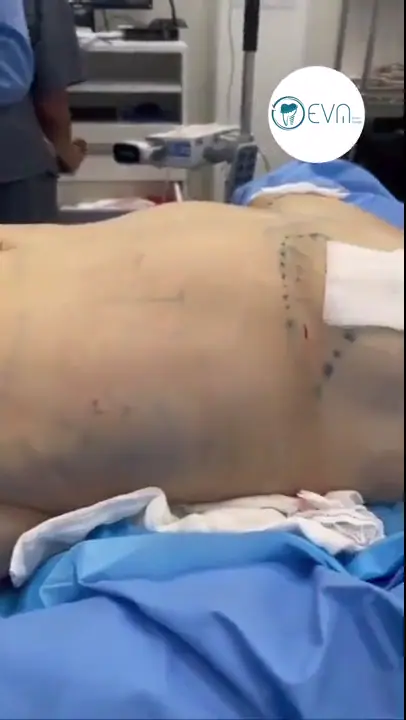
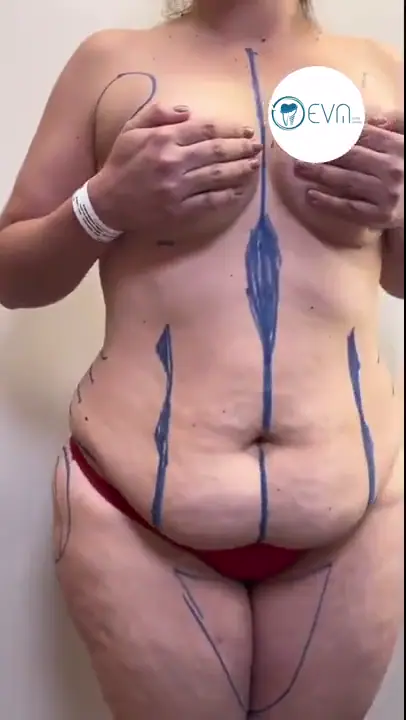
Abdominoplastie
Abdominoplastie d’Alisa avant et après
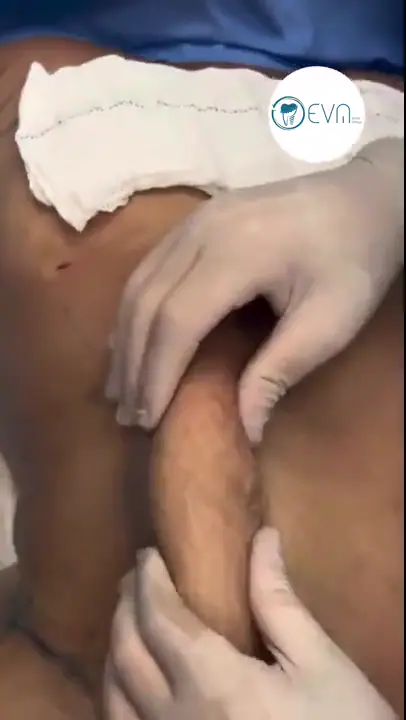
Abdominoplastie
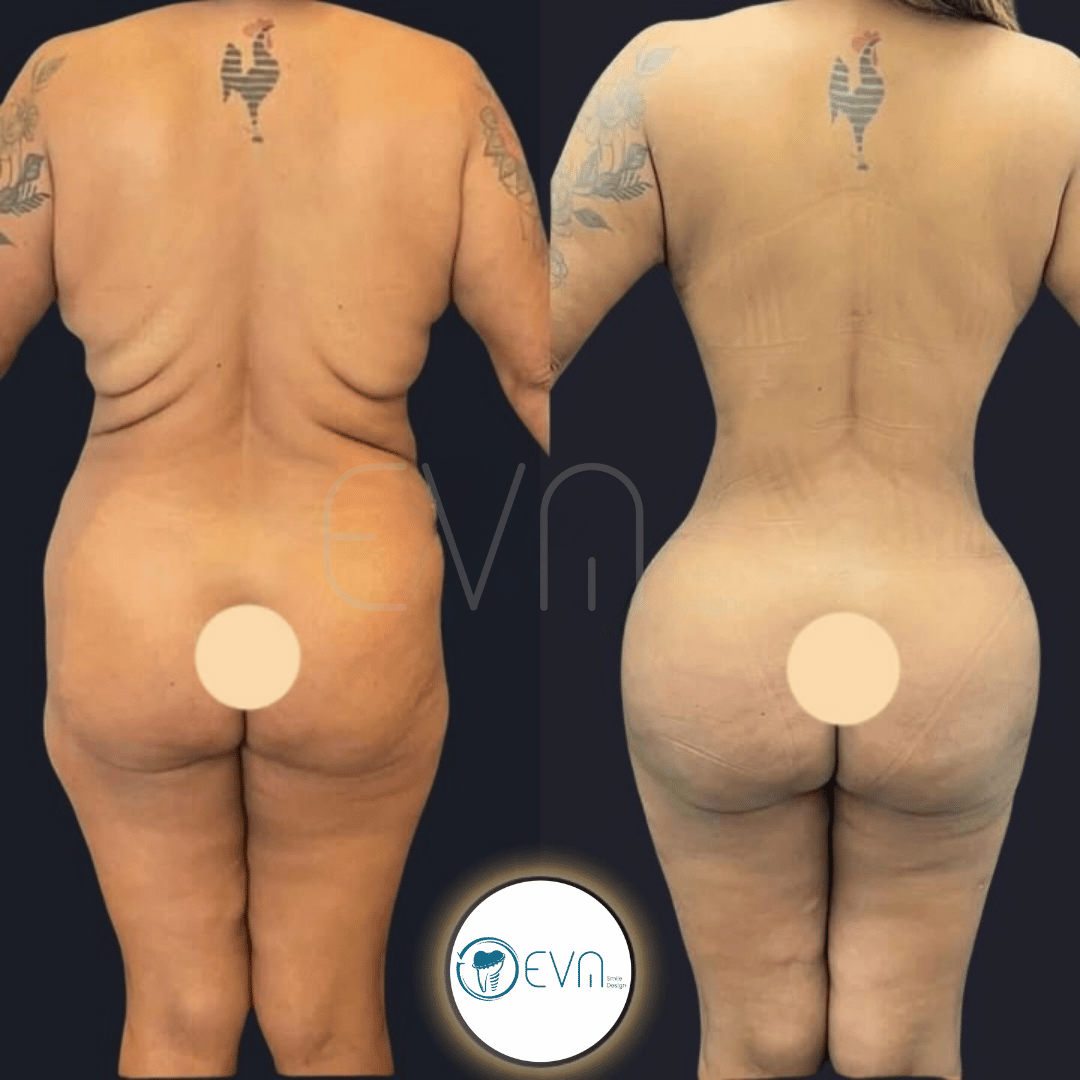
Abdominoplastie d’Ayanna avant et après
Qu’est-ce que l’abdominoplastie ?
L’abdominoplastie retire un excès sélectionné de peau et de graisse abdominale et peut retendre la paroi de soutien lorsque cela est cliniquement approprié.
Le plan tient compte de la répartition de la peau et de la graisse, du soutien de la paroi, des cicatrices antérieures, de la stabilité du poids, des projets de grossesse, du tabac, du risque de thrombose ainsi que de la position et de la longueur des cicatrices permanentes.
Aperçu du traitement
Éléments de planification de l’abdominoplastie
Le retrait cutané, l’évaluation de la paroi, la planification des cicatrices et la prévention des thromboses sont individualisés.
Silhouette & paroi abdominale
Excès cutané
Seuls la peau et le tissu graisseux sélectionnés peuvent être retirés en toute sécurité par l’incision prévue.
Soutien de la paroi
Un resserrement du fascia peut être discuté si l’examen montre une laxité ou une séparation cliniquement pertinente.
Planification des cicatrices & du rétablissement
Cicatrices permanentes
Une cicatrice abdominale basse et, lors d’une intervention complète, une cicatrice ombilicale sont attendues.
Sécurité
Les risques de sérome, de cicatrisation et de thrombose nécessitent prévention et suivi spécifiques.
Parcours des patients & environnement de soins
Médias de patients ayant bénéficié d’une abdominoplastie et exemples d’établissements partenaires utilisés lors de traitements coordonnés à Istanbul.
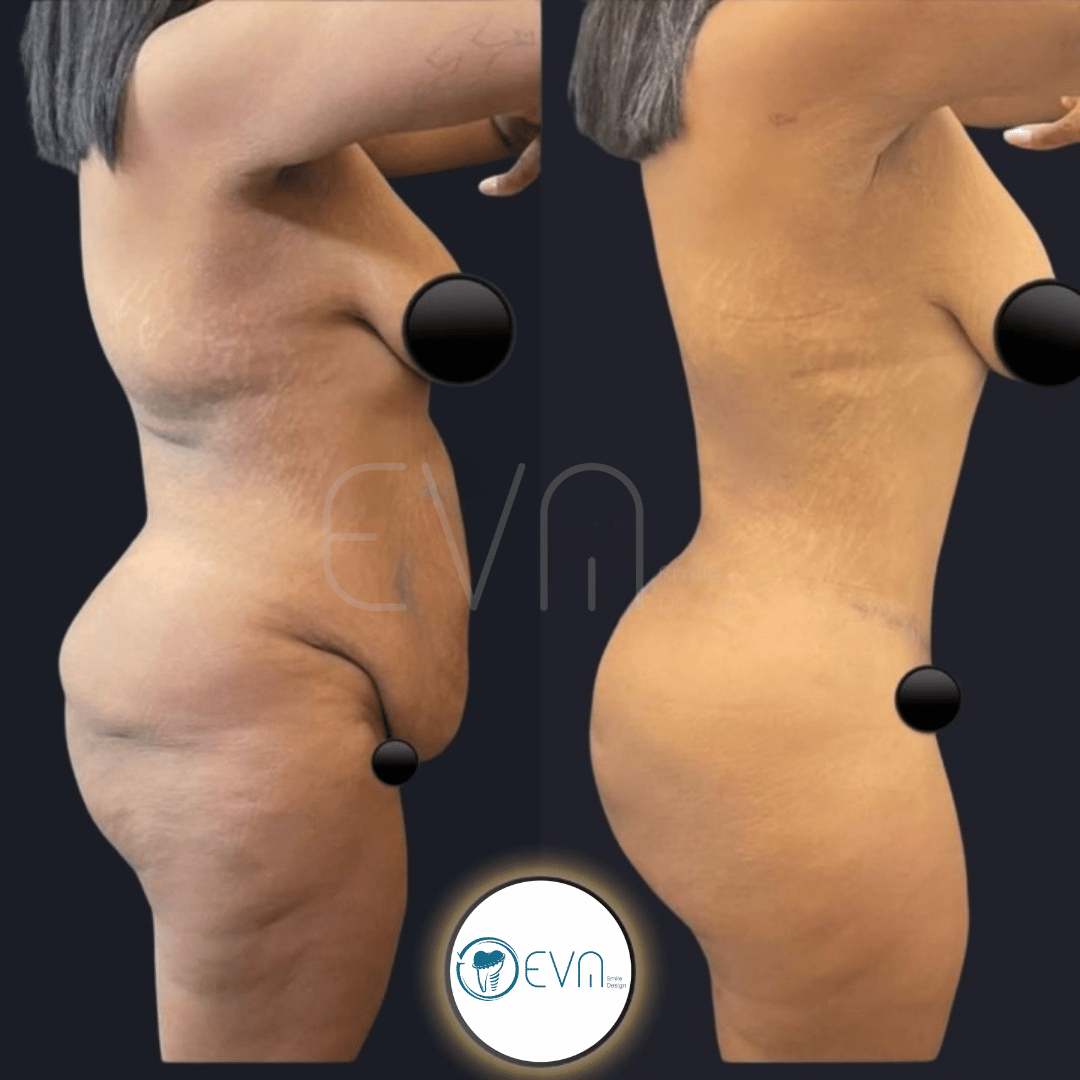
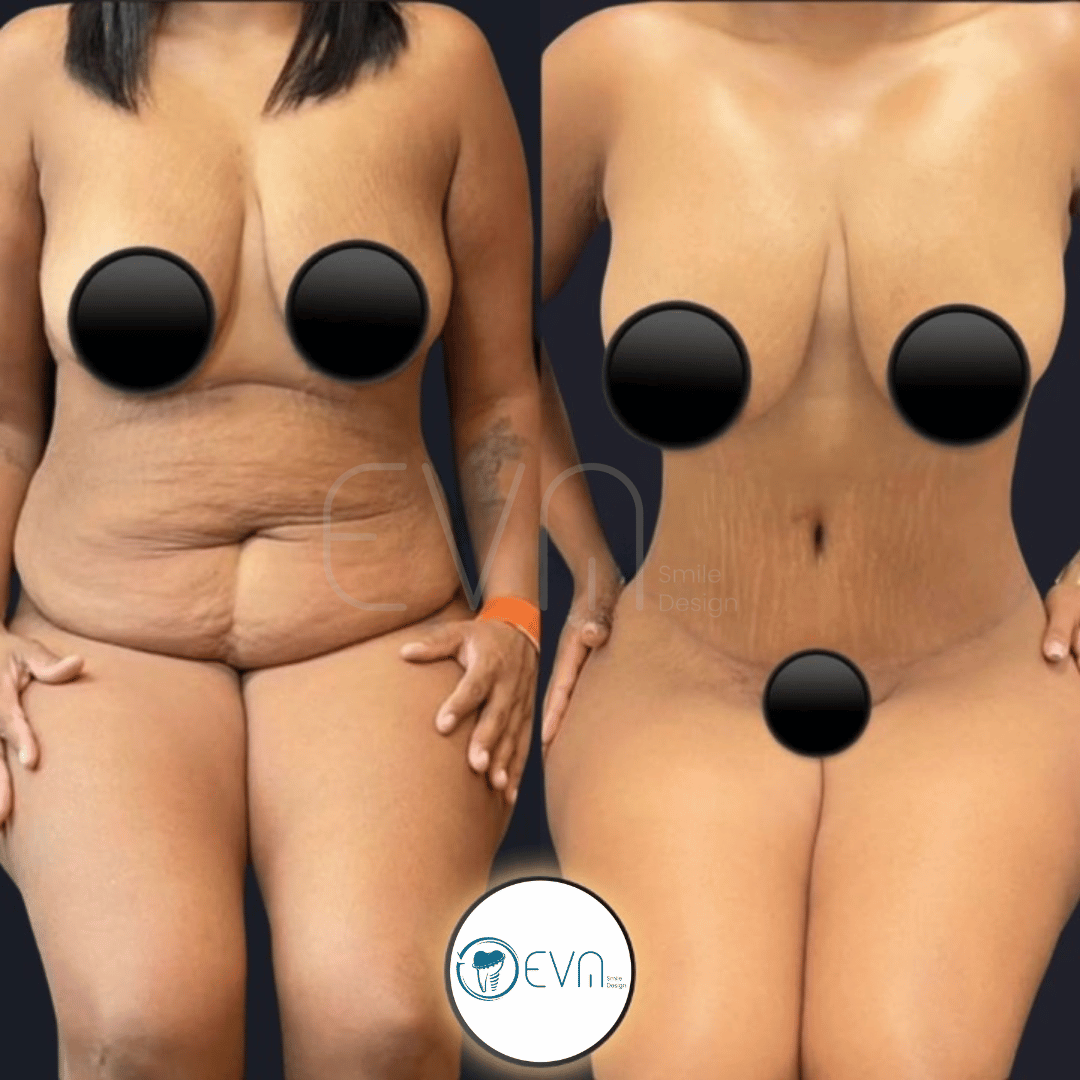
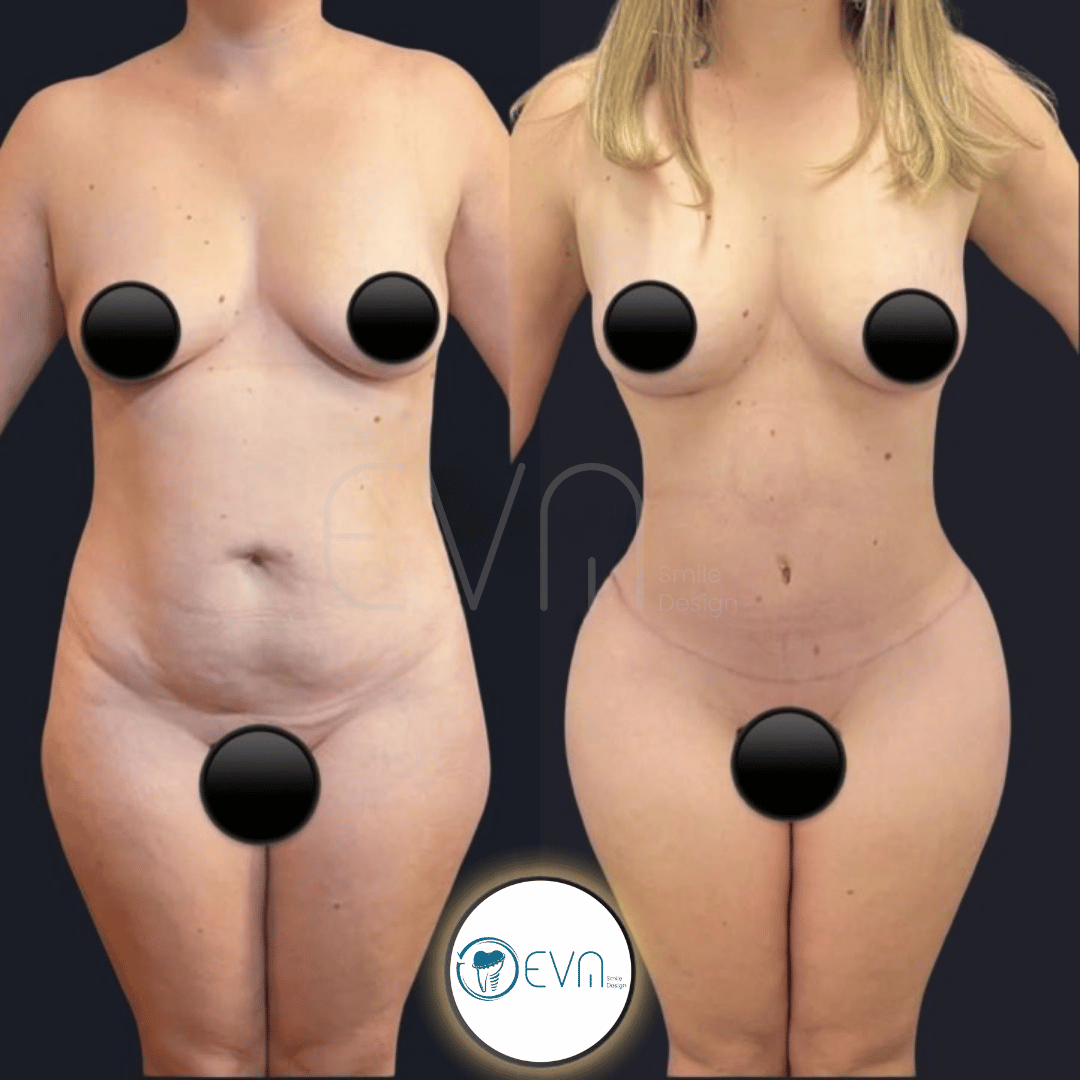
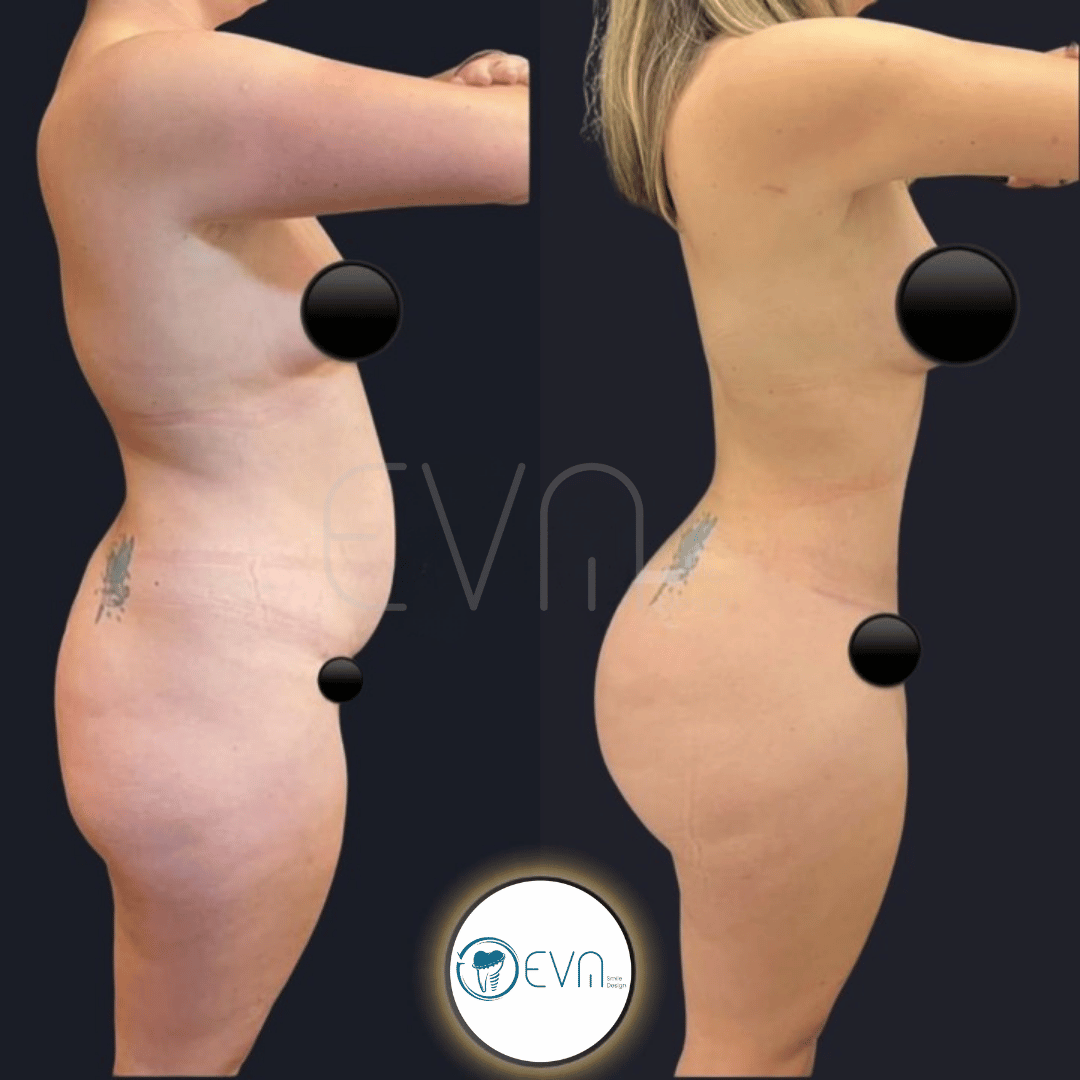
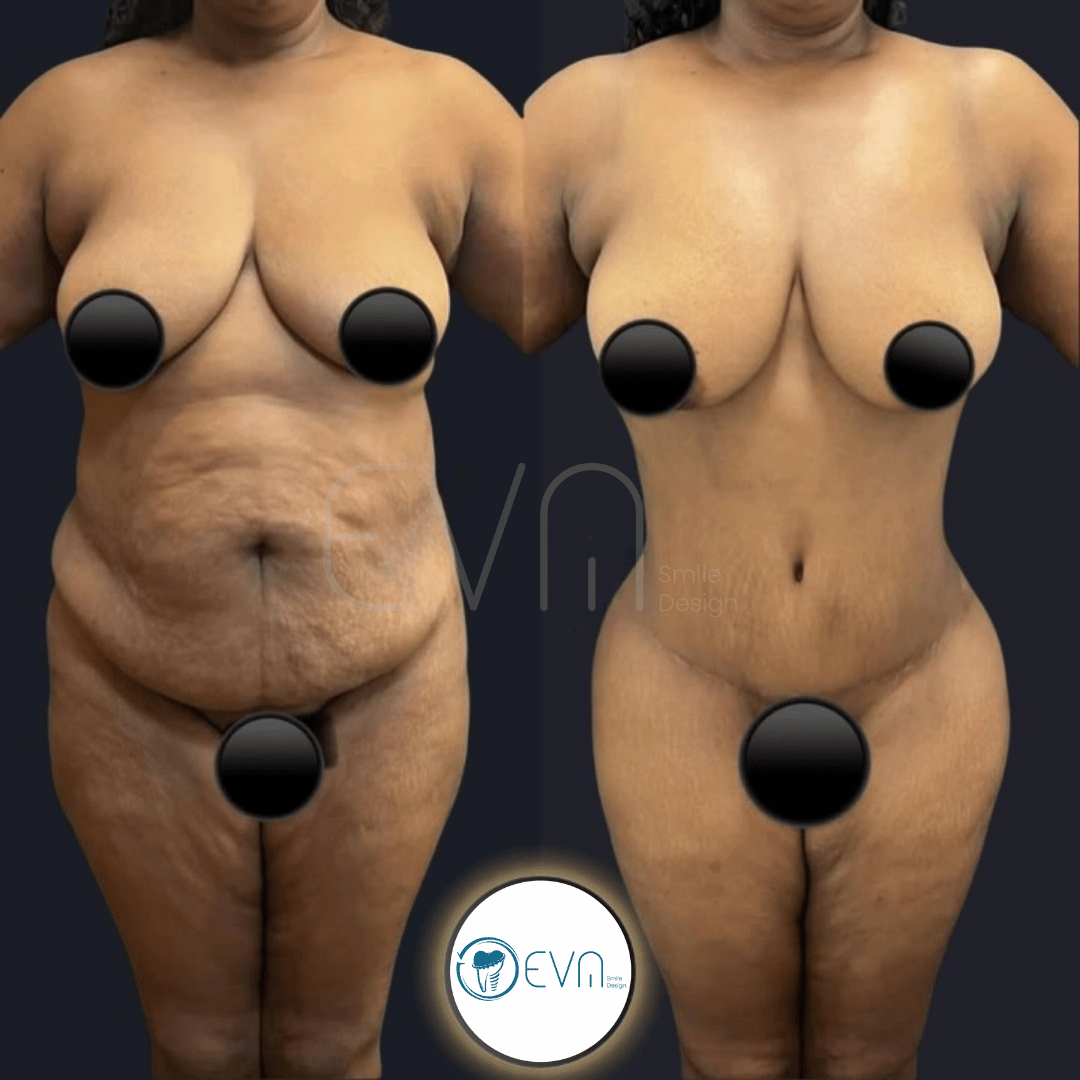
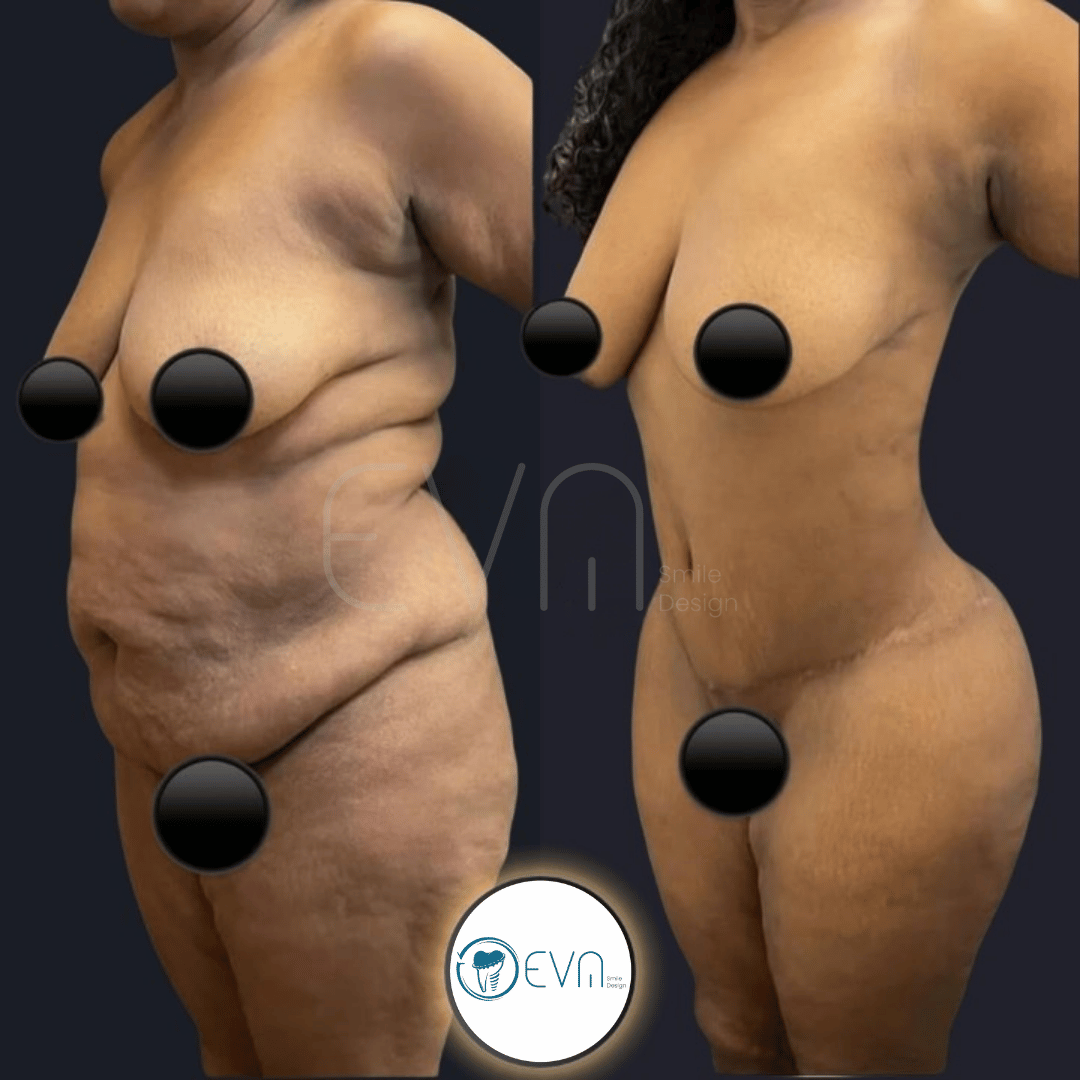
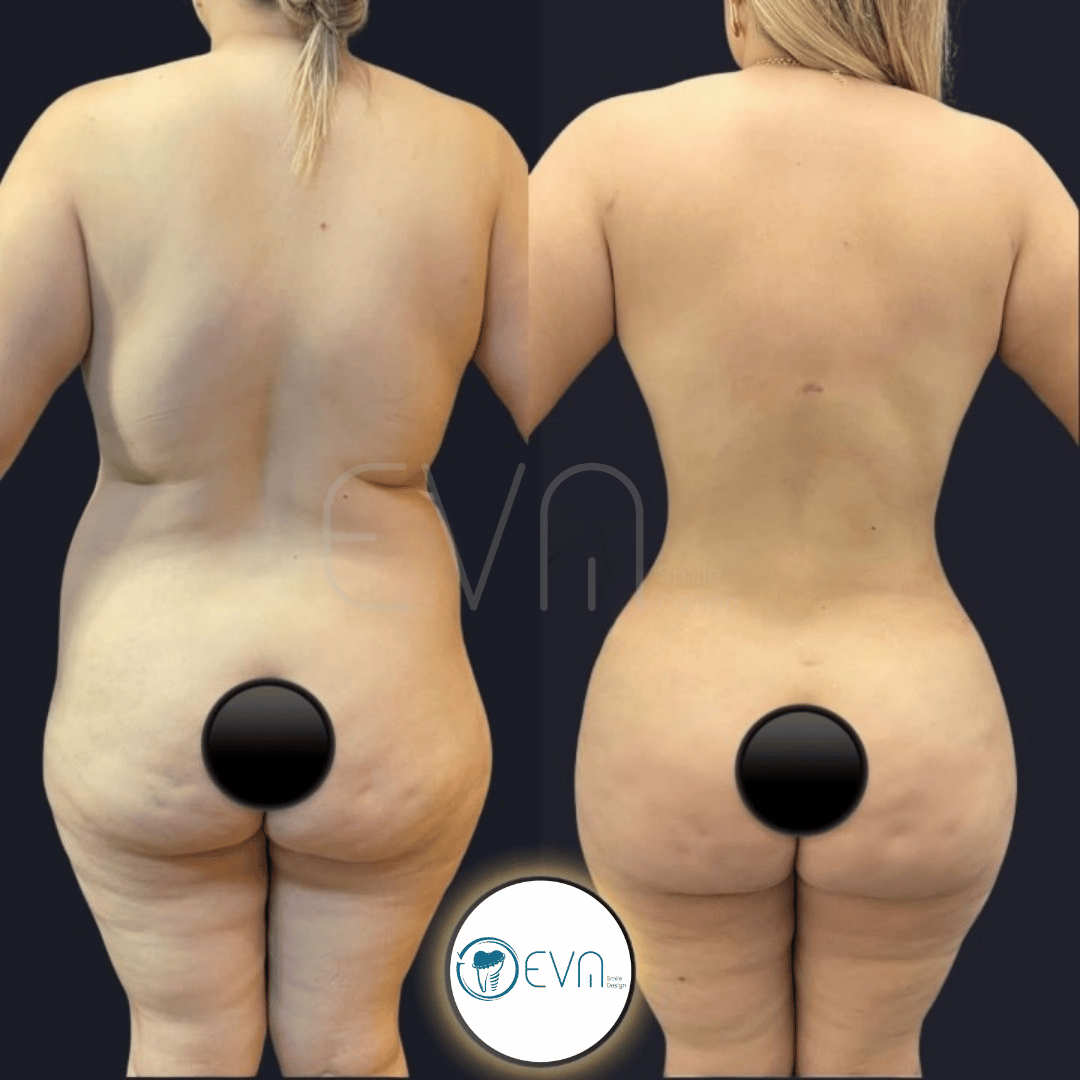
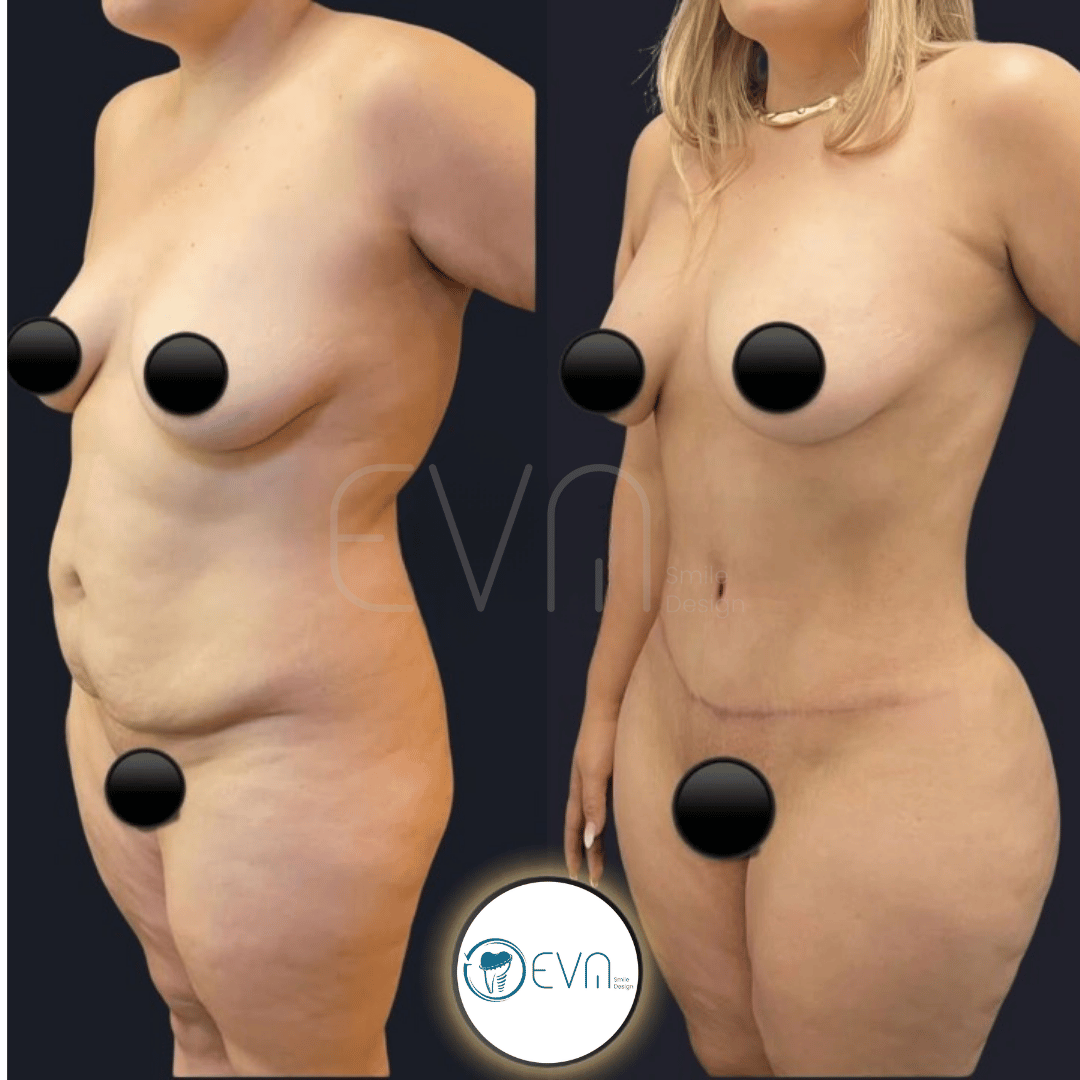
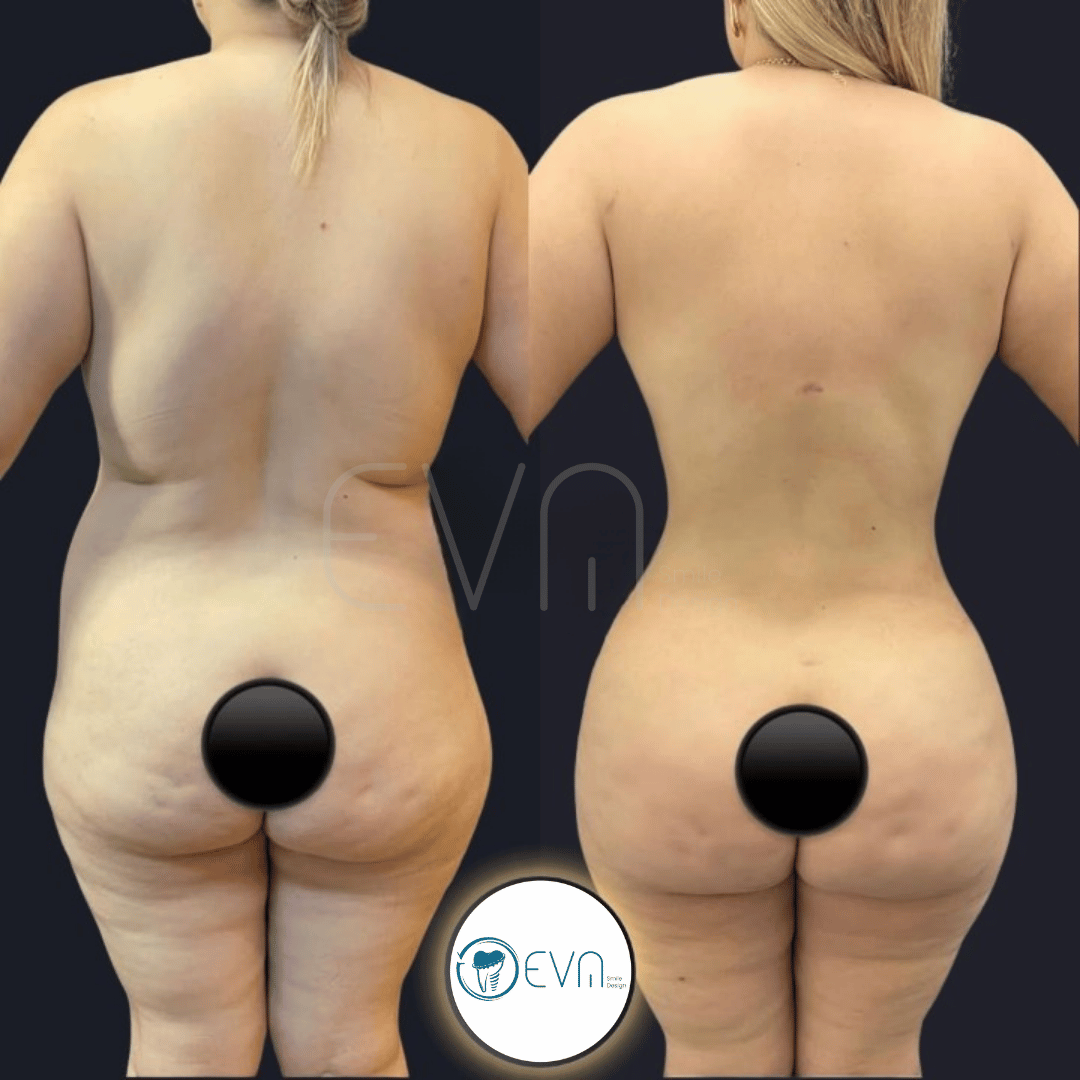
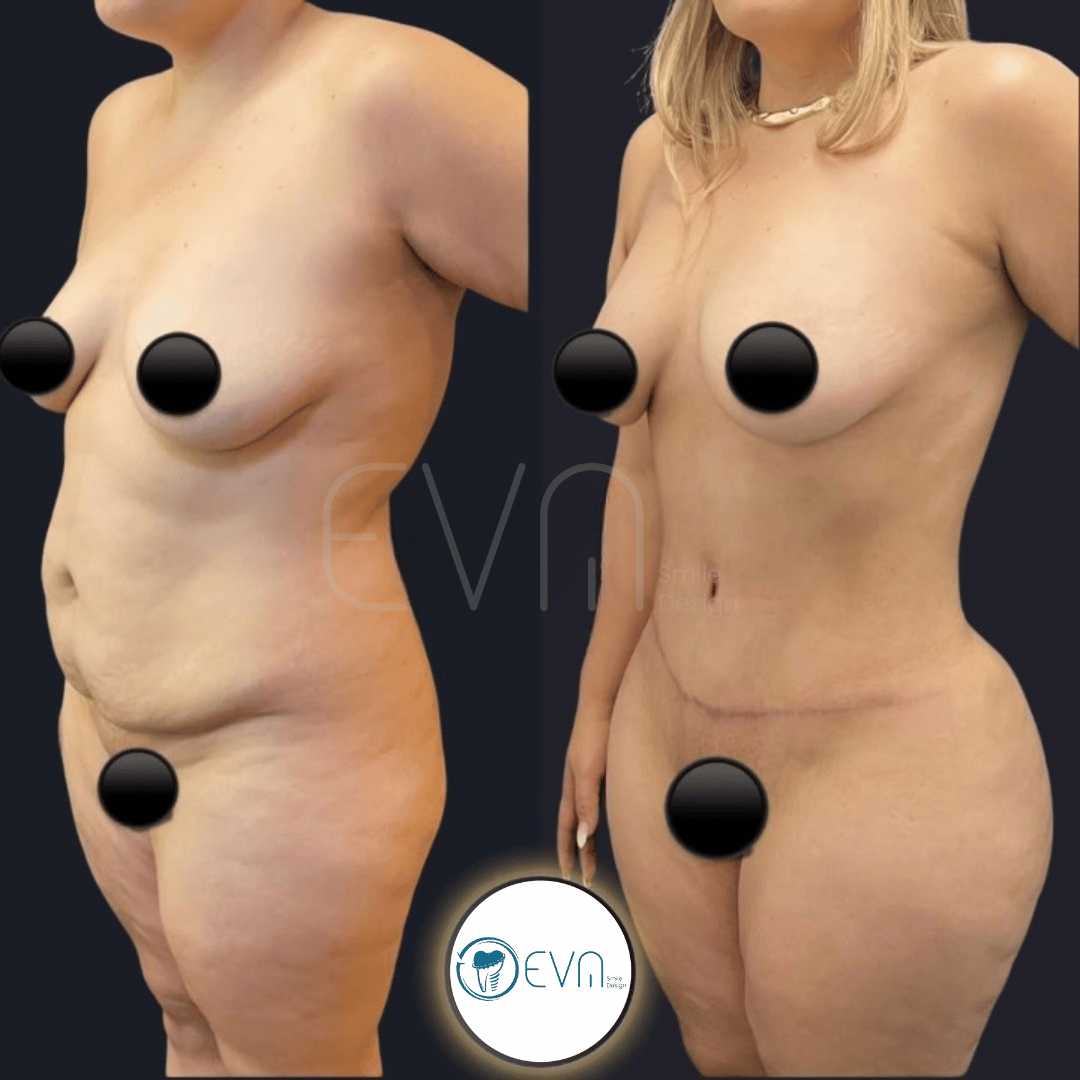
Comment fonctionne la planification du traitement
Un traitement à l’étranger commence par la collecte d’informations et un examen préliminaire. L’admissibilité finale, les risques et le plan de traitement ne sont confirmés qu’après l’évaluation du professionnel responsable.
Contactez-nous
Vous avez une question ou souhaitez en savoir plus sur notre activité ? Nous sommes là pour vous aider.
Tummy Tuck in Turkey: Planning Abdominoplasty in Istanbul
L’abdominoplastie retire un excès sélectionné de peau et de graisse abdominale et peut retendre la paroi de soutien lorsque cela est cliniquement approprié. It is major surgery, not a weight-loss treatment. Eva Smile & Aesthetics supports international patients with defined non-clinical coordination before and after consultation in Istanbul. Only the responsible plastic surgeon can confirm suitability, technique, scar position and recovery plan.
What Is Abdominoplasty?
Abdominoplasty reshapes the abdomen by lifting skin and fat from the abdominal wall, removing a planned amount of excess tissue and closing the remaining skin. A full procedure usually creates a low abdominal scar and a scar around the navel. In selected cases, the surgeon may repair or tighten the abdominal fascia when it is stretched or separated.
The operation cannot guarantee a flat abdomen, remove every stretch mark, create muscle definition or prevent future change. Results depend on anatomy, weight stability, skin quality, previous surgery and healing.
Concerns It May Address
Loose or hanging abdominal skin after pregnancy or weight change
Selected lower-abdominal fat together with skin excess
Changes in abdominal wall support or rectus separation
Selected scars or stretch marks located in tissue planned for removal
Contour concerns not expected to improve through exercise alone
Only tissue within the planned excision is removed. Stretch marks outside that area remain, and internal or visceral fat is not treated by a tummy tuck.
Who May Be Considered?
Assessment commonly considers general health, body-mass and weight stability, abdominal skin and fat distribution, previous operations or scars, hernias, abdominal wall findings, smoking or nicotine exposure, medication, clot risk, pregnancy plans and expectations.
Surgery may be postponed or not recommended when health findings, active smoking, unstable weight, planned pregnancy, uncontrolled medical conditions, high anaesthetic or clot risk, unrealistic expectations or another factor makes treatment unsuitable. Abdominoplasty is not a substitute for weight management.
Consultation and Abdominal Wall Assessment
A responsible consultation should include medical history, allergies, medication and supplement review, previous abdominal operations, pregnancy history, weight change, clot history and examination of skin, fat, scars, navel, abdominal wall and possible hernia.
Photographs can support preliminary communication but cannot confirm whether a fascial repair, hernia assessment, liposuction, modified technique or additional tests are needed.
Full, Mini and Extended Tummy Tuck
Full abdominoplasty
This commonly treats skin across the abdomen through a low incision and usually repositions the navel through a new opening.
Mini abdominoplasty
This may suit selected lower-abdominal concerns and usually involves a shorter treatment area. It is not simply a smaller version suitable for everyone.
Extended abdominoplasty
This may extend treatment and the scar toward the flanks when excess skin continues beyond the front of the abdomen.
The responsible surgeon selects the approach after examination. A requested scar length or technique cannot be confirmed from photographs alone.
Tummy Tuck Versus Liposuction
Liposuction removes selected subcutaneous fat through small access incisions but does not remove substantial loose skin or repair the abdominal wall. Abdominoplasty removes skin and may include fascial tightening. Liposuction may sometimes be combined with a tummy tuck, but combined treatment changes operative time, fluid management, risk and recovery.
Neither procedure treats internal abdominal fat around the organs, substitutes for weight loss or guarantees a specific waist measurement.
Scar and Navel Planning
A full tummy tuck usually leaves a permanent low horizontal scar and a scar around the navel. The length and position depend on skin excess, anatomy, previous scars and operative planning. Clothing cannot be guaranteed to hide every scar.
Scars may become raised, widened, darker, lighter or asymmetrical and mature over many months. The navel may also change in shape, position or scar appearance.
What Happens During Surgery?
Abdominoplasty is commonly performed under general anaesthesia in an appropriate healthcare facility. The surgeon makes the planned incision, lifts tissue, may tighten abdominal fascia, removes selected excess skin and fat, positions the navel when required, and closes the wound. Drains, dressings and a compression garment may be used.
Operation time, length of stay and monitoring vary. The treating team should explain anaesthesia, thrombosis prevention, drains, wound care, mobilisation and who is responsible for postoperative decisions.
Risks and Possible Complications
Abdominoplasty is invasive and is not risk-free. Possible risks include:
Bleeding or haematoma
Infection
Seroma or other fluid collection
Delayed or poor wound healing
Skin or fat necrosis
Noticeable, widened or asymmetrical scars
Numbness, altered sensation or persistent pain
Contour irregularity, asymmetry or residual loose skin
Navel healing or appearance problems
Anaesthesia complications
Deep-vein thrombosis, pulmonary embolism and heart or lung complications
Need for additional or revision surgery
Smoking and nicotine can significantly impair blood supply and wound healing. Individual risks and how complications would be managed must be discussed directly with the responsible surgeon.
Seroma, Drains and Wound Healing
Fluid can collect beneath the abdominal skin after surgery. Drains may reduce or monitor fluid in some plans, but they do not eliminate risk. A seroma may require examination, imaging, aspiration or other treatment.
The long incision is exposed to tension and blood-supply limitations. Wound separation, infection, tissue loss or delayed healing can require dressings, procedures or prolonged local care. Smoking, health, previous scars and the extent of surgery can affect risk.
Blood-Clot Risk and Mobility
Abdominoplasty carries a recognised risk of venous thromboembolism. Risk assessment may consider age, body mass, previous clots, hormones, medical conditions, procedure length, combined surgery, mobility and travel.
The clinical team may use early mobilisation, compression devices or medication according to individual risk. Do not start or stop anticoagulant or hormone medication without professional instructions.
Recovery After Tummy Tuck
The first days
Pain, tightness, swelling, bruising and difficulty standing fully upright can occur. Movement may be deliberately flexed at first to reduce tension. Follow instructions for drains, wounds, medicines, garment use, sleep position and walking.
The first weeks
Activity is restricted and help may be needed at home. NHS information describes a general recovery of about six weeks and often four to six weeks away from work and exercise, but the individual plan takes priority.
The following months
Swelling, numbness, scar colour and contour continue to change. Scar maturation may take a year or longer. Early appearance should not be treated as the final result.
Warning Signs and Urgent Concerns
Seek urgent assessment for sudden or increasing abdominal swelling, persistent bleeding, severe or worsening pain, spreading redness or heat, pus or unusual discharge, fever, wound separation, dark or pale skin change, calf pain or swelling, chest pain, shortness of breath, fainting or any symptom identified as urgent by the treating team.
Eva is not an emergency service. In an emergency, obtain appropriate local emergency care without waiting for a coordination reply.
Pregnancy and Weight Stability
Future pregnancy and significant weight change can stretch the abdominal wall and skin and alter the result. People planning pregnancy or active weight loss may be advised to delay surgery.
A stable weight does not guarantee suitability, but it helps the surgeon assess the true distribution of skin, fat and wall laxity and supports longer-term planning.
Travelling to Istanbul for Abdominoplasty
Tummy tuck surgery in Turkey should not be treated as an ordinary holiday. Travel plans should allow time for consultation, tests, surgery, monitoring, drain or wound review and recovery. Heavy luggage, strenuous tourism, swimming, sunbathing and alcohol may be unsuitable during early healing.
Before travelling, verify the surgeon’s identity and credentials, facility, anaesthesia, thrombosis plan, written treatment plan, quotation, aftercare and arrangements for complications after returning home.
Flying Home and Follow-Up
The appropriate time to fly depends on surgery, mobility, wound and drain status, clot risk, follow-up schedule, flight duration and the surgeon’s advice. Abdominal surgery and long travel both require specific thrombosis planning.
Establish who will assess wounds and drains at home, how records will be shared and who pays for local, complication or revision care. Remote photographs cannot replace an in-person examination when one is clinically required.
Tummy Tuck Cost in Turkey
Cost varies with technique, surgical extent, combined procedures, surgeon and facility fees, anaesthesia, tests, garments, medication, length of stay and follow-up. A written quotation should identify inclusions, exclusions, payment and cancellation terms, and whether complication or revision care is included.
Your Coordination Pathway
Step 1 — Share your enquiry
Describe skin, contour and abdominal-wall concerns, previous surgery, pregnancy and weight history.
Step 2 — Provide requested information
You may be asked for photographs, medical history, medication and available reports.
Step 3 — Preliminary review
Information supports discussion but does not confirm suitability or technique.
Step 4 — Verify provider and facility
Review the surgeon, healthcare facility and anaesthesia arrangements.
Step 5 — Attend individual assessment
The surgeon examines the abdominal wall, skin, scars and risk factors.
Step 6 — Review plan and consent
Understand scars, alternatives, risks, thrombosis prevention, recovery, costs and follow-up.
Step 7 — Treatment and discharge
Surgery proceeds only when approved by the responsible professionals and facility.
Step 8 — Follow-up and return home
Follow clinical instructions and maintain access to appropriate local care.
Frequently Asked Questions
Is a tummy tuck a weight-loss operation?
No. It is body-contouring surgery and is not a substitute for weight management.
Will it remove all stretch marks?
No. Only marks within skin that is safely removed may be excised; others remain.
Is liposuction the same?
No. Liposuction removes selected fat but does not remove substantial loose skin or repair the abdominal wall.
Will I have a scar?
Yes. A permanent low abdominal scar is expected, and a full procedure usually includes a scar around the navel.
How long is recovery?
Recovery varies. General NHS information describes roughly six weeks, but individual instructions take priority.
Can I become pregnant later?
Pregnancy may still be possible, but it can alter the result. Timing should be discussed with the surgeon.
When can I fly?
Only after the clinical team has assessed recovery and clot risk. A generic package duration is not medical clearance.
Does Eva decide whether I am suitable?
No. Suitability and treatment decisions belong to the responsible surgeon and healthcare facility.
Sources
American Society of Plastic Surgeons — Tummy Tuck Risks and Safety
British Association of Aesthetic Plastic Surgeons — Abdominoplasty Patient Information
Related guide: Liposuction vs tummy tuck in Turkey
Content updated: 6 August 2026.
MEDICAL AND EDITORIAL NOTICE
This page provides general information about abdominoplasty and international-patient planning. It does not diagnose a condition, confirm suitability, establish an individual treatment plan, replace informed consent, provide emergency advice or guarantee a result. Clinical decisions and instructions must be provided by the responsible plastic surgeon and healthcare facility.
