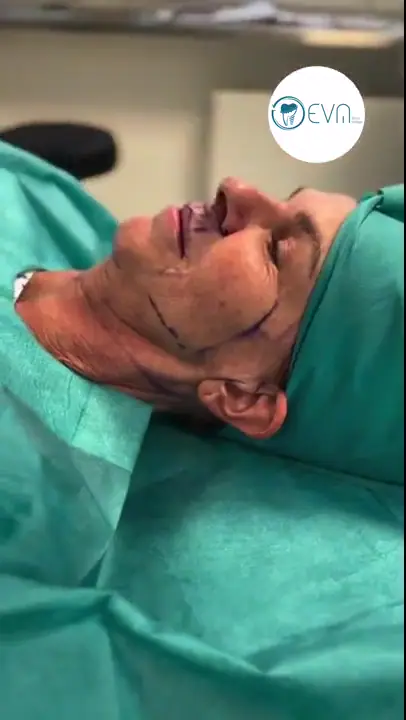
Facelift
Understanding Eyelid Surgery Before Travelling
Individual assessment and careful blepharoplasty planning in Istanbul, with attention to eyelid position, eye-surface health, vision, scars and realistic goals.

Treatment Environment


What Is Blepharoplasty?
Blepharoplasty is eyelid surgery that may remove or reposition selected excess skin and fat from the upper or lower eyelids. The plan depends on eyelid anatomy, eye health, function and individual goals.
Upper and lower eyelid procedures are different. Dry-eye symptoms, eyelid closure, brow position, previous eye surgery, medication and vision concerns require careful assessment before any final decision.
Treatment Overview
Clinical Considerations
Understanding the difference between eyelid appearance and eye health.
Upper & Lower Eyelids
Upper Eyelid
Selected excess skin or fat may be treated while protecting closure and eye comfort.
Lower Eyelid
Fat, skin and supporting tissues require individual assessment to reduce retraction risk.
Eye-Surface Safety
Dry Eye Assessment
Pre-existing dryness, irritation or incomplete closure may influence suitability and technique.
Functional Review
Vision symptoms, sudden drooping or neurological signs require appropriate medical assessment.
Healthcare Facilities
Examples of healthcare facilities considered during international-patient coordination in Istanbul. Final facility selection depends on the confirmed clinical pathway.


How Treatment Planning Works
Treatment abroad begins with information gathering and a preliminary review. Final suitability, risks and the treatment plan are confirmed only after assessment by the responsible clinician.
Get in Touch with Us
Have a question or want to learn more about what we do? We're here to help you.
Blepharoplasty in Turkey: Planning Eyelid Surgery in Istanbul
Blepharoplasty is surgery that removes or repositions selected excess skin and fat around the upper or lower eyelids. Eva Smile & Aesthetics coordinates defined non-clinical stages for international patients researching eyelid surgery in Istanbul. Only the responsible surgeon or appropriately qualified eye specialist can diagnose an eyelid condition, determine suitability and establish the final plan.
What Is Blepharoplasty?
Blepharoplasty may address loose upper-eyelid skin, selected fat prominence or lower-eyelid bags. Upper and lower eyelid procedures are different operations and may use different incision locations. The procedure can be cosmetic, functional or reconstructive depending on the individual indication.
Eyelid appearance may also be affected by brow position, dry-eye disease, thyroid eye disease, allergy, swelling, muscle or nerve conditions and other health issues. Surgery should not be planned from photographs alone.
Upper and Lower Eyelid Surgery
Upper blepharoplasty
An upper-eyelid incision is commonly positioned within the natural eyelid crease. The surgeon may remove a carefully measured amount of skin and, when appropriate, address selected fat or muscle while protecting eyelid closure and the eye surface.
Lower blepharoplasty
A lower-eyelid incision may be positioned below the eyelashes or inside the lower lid. Fat may be repositioned or removed, and skin or supporting tissues may be treated when clinically appropriate. Lower-lid support and the risk of lid retraction or ectropion require individual assessment.
Who May Be Considered?
Assessment may be appropriate for adults concerned about persistent upper-lid skin folds, eyelid heaviness, selected visual-field obstruction or lower-eyelid bags. Suitability depends on general health, eye health, eyelid function, medication, smoking, previous eye surgery and realistic expectations.
Sudden eyelid drooping, new double vision, pain, fever, a mass, neurological symptoms or an abrupt change requires appropriate medical assessment rather than routine cosmetic planning.
Assessment Before Eyelid Surgery
A responsible consultation may include medical and eye history, medication and allergy review, dry-eye symptoms, contact-lens use, previous eye procedures, thyroid or neurological conditions, visual function and physical examination of the eyelids, brow, eye surface and lid closure.
The surgeon may request an ophthalmic assessment, visual-field testing, photographs or other investigation. Blood-thinning medicines must never be stopped on the basis of a website; medication decisions belong to the prescribing and treating professionals.
What Happens During Surgery?
Blepharoplasty may be performed with local anaesthesia, sedation or general anaesthesia depending on the operation, patient and facility. The surgeon marks the planned treatment, makes the selected incision, removes or repositions only the tissue required by the plan and closes the incision. Strips, ointment, eye drops or dressings may be used.
Procedure time, discharge and follow-up vary. Some patients return home the same day, while others require different monitoring according to the clinical plan.
Risks and Possible Complications
Swelling, bruising and temporary blurred vision
Bleeding, infection or delayed healing
Dry, gritty, watery or light-sensitive eyes
Difficulty closing the eyes
Asymmetry or contour irregularity
Noticeable or unfavourable scarring
Temporary or permanent sensation changes
Lower-lid retraction, lid lag or ectropion
Persistent pain or dissatisfaction
Need for additional or revision surgery
Temporary or permanent vision change; very rarely severe visual loss
Anaesthesia and general surgical complications
The risks most relevant to an individual patient, their likelihood and how they would be managed must be explained by the responsible surgeon before consent.
Recovery After Blepharoplasty
Early recovery
Swelling, bruising, tightness, watering, irritation, temporary blurred vision from ointment and sensitivity to light may occur. The treating team may advise head elevation, cold packs, prescribed drops or ointment and protection from wind and sun.
Activity and work
Driving, contact lenses, eye rubbing, strenuous exercise, swimming and smoking may be restricted. Return to work depends on the operation, vision, bruising and job. General timelines are not personal promises.
Longer-term healing
Bruising may improve over several weeks while scars and swelling continue to settle for months. Results cannot be guaranteed and ageing continues.
Warning Signs and Urgent Concerns
Seek urgent professional assessment for sudden or worsening vision loss, severe or increasing eye pain, rapidly increasing swelling, significant bleeding, inability to close the eye, new double vision, marked redness, fever, unusual discharge, breathing difficulty, chest pain or another symptom identified as urgent by the treating team.
Eva is not an emergency service. In an emergency, obtain appropriate local emergency care without waiting for a coordination response.
Travelling to Istanbul for Blepharoplasty
Eyelid surgery should not be treated as an ordinary holiday. Allow time for consultation, surgery, early monitoring and follow-up. Sun exposure, swimming, contact lenses, strenuous tourism and flying may be inappropriate during early recovery.
Verify the surgeon’s identity and credentials, the healthcare facility, anaesthesia, written plan, risks, quotation, aftercare and access to urgent eye assessment.
Flying Home and Local Follow-Up
Fitness to fly depends on the procedure, vision, swelling, healing and the surgeon’s assessment. Before travelling, understand when sutures or strips are removed, which reviews occur before departure, how records are shared and who can examine the eyes after returning home.
Remote photographs cannot replace an in-person eye assessment when vision, pain, lid position or wound healing is a concern.
Blepharoplasty Cost in Turkey
Cost may vary according to upper or lower eyelid treatment, one or both sides, anaesthesia, facility, surgeon fees, tests, medication and follow-up. A written quotation should identify inclusions, exclusions, payment terms and possible additional costs.
A low advertised price should not replace verification of the surgeon, facility, clinical plan, risks and aftercare.
Your Coordination Pathway
Step 1 — Share your enquiry
Explain the eyelid concern, symptoms, previous eye treatment and relevant health history.
Step 2 — Provide requested information
Photographs and records may support preliminary organisation but do not confirm suitability.
Step 3 — Verify the providers
Review the responsible surgeon or eye specialist, facility and anaesthesia arrangements.
Step 4 — Attend individual assessment
The responsible professional examines eyelid and eye health and determines whether surgery may be appropriate.
Step 5 — Review plan and consent
Understand the technique, scars, risks, alternatives, recovery, cost and follow-up.
Step 6 — Treatment and follow-up
Follow individual clinical instructions and maintain access to urgent and local eye care.
Frequently Asked Questions About Blepharoplasty
Is blepharoplasty only cosmetic?
No. It may be cosmetic, functional or reconstructive depending on the indication.
Can photographs confirm whether I am suitable?
No. Examination of eyelid position, closure and eye health is required.
Can upper and lower eyelids be treated together?
Sometimes, but the decision depends on anatomy, health, goals and the responsible surgeon’s assessment.
Will I have scars?
Yes. Incisions leave scars, although surgeons commonly place them in natural folds or selected concealed locations where appropriate.
Can blepharoplasty cause dry eyes?
Dryness or irritation can occur and pre-existing dry eye may increase risk. Eye-surface assessment is important.
When can I drive?
Only when vision is clear, movement is safe, medication does not impair driving and the treating professional’s instructions allow it.
How long does recovery take?
Visible bruising may last several weeks and scars can take months to settle. Individual recovery varies.
Can results be guaranteed?
No. Symmetry, scar quality, healing and satisfaction cannot be guaranteed.
What if my vision changes after surgery?
Unexpected or worsening vision change requires urgent professional assessment according to the discharge instructions.
Does Eva provide emergency eye care?
No. Eva coordinates defined non-clinical stages and is not an emergency service.
Sources
Content updated: 6 August 2026.
MEDICAL AND EDITORIAL NOTICE
This page provides general information. It does not diagnose an eyelid or eye condition, confirm suitability, establish an individual surgical plan, replace informed consent, provide medication instructions or offer emergency advice. Clinical decisions must be made by the responsible qualified professional and healthcare facility.
Table Of Contents
Related Patient Stories
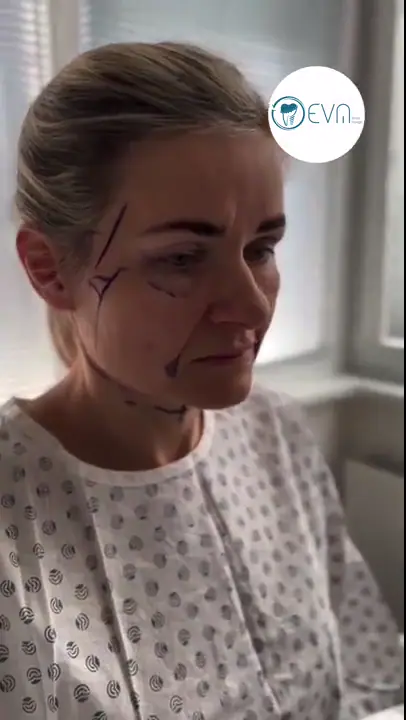
Facelift
Ariana Facelift Before and After

Facelift
Carlie Facelift Before and After

Facelift
Esther Facelift Before and After
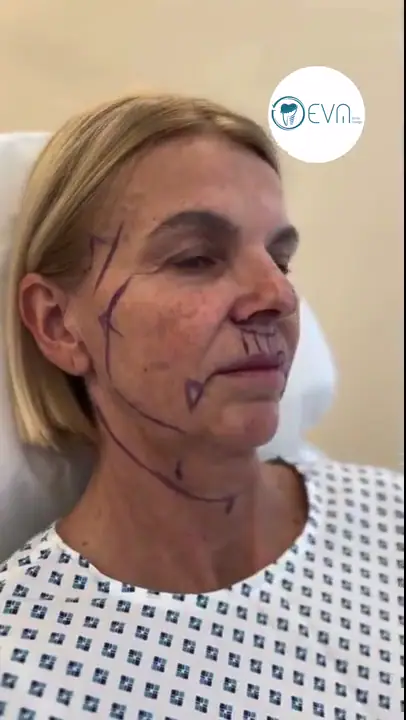
Facelift
Fiona Facelift Before and After
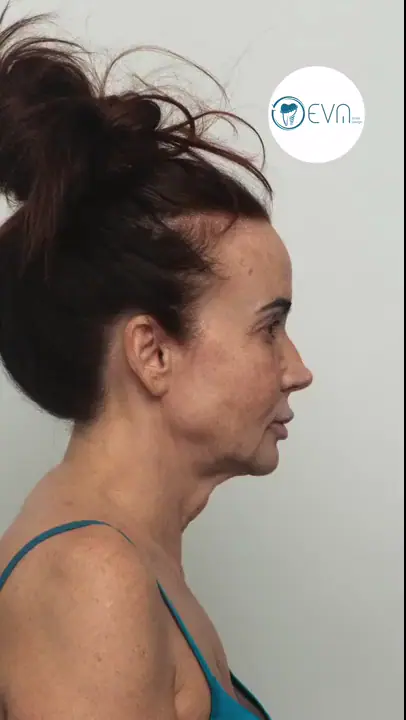
Facelift
