
Rhinoplasty
Understanding Rhinoplasty Surgery Before Travelling
Comprehensive clinical assessment and meticulous surgical planning in Istanbul. We prioritize structural integrity, functional breathing, and realistic aesthetic goals over standardized results.

Rhinoplasty Before & After Videos
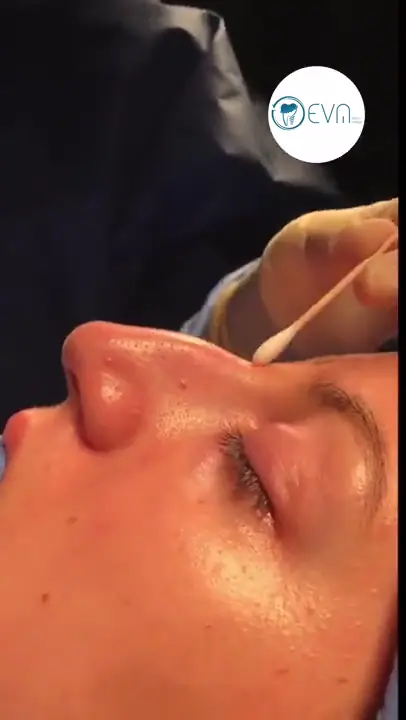
Rhinoplasty
Diana Rhinoplasty Before and After

Rhinoplasty
Emily Rhinoplasty Before and After
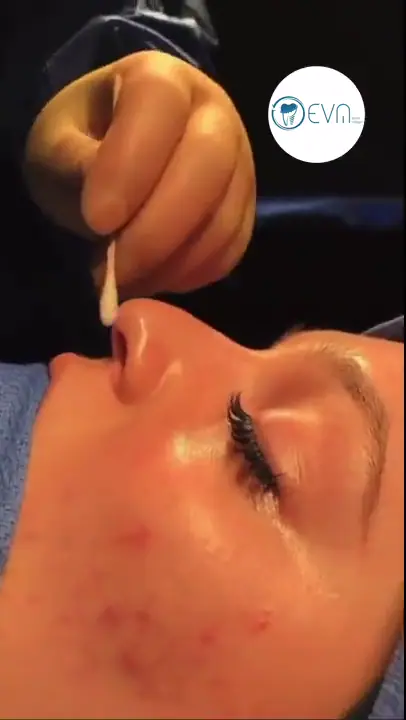
Rhinoplasty
Eva Rhinoplasty Before and After
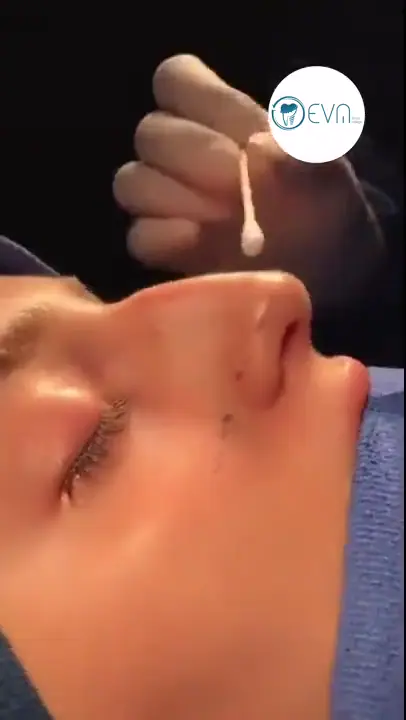
Rhinoplasty
Irene Rhinoplasty Before and After
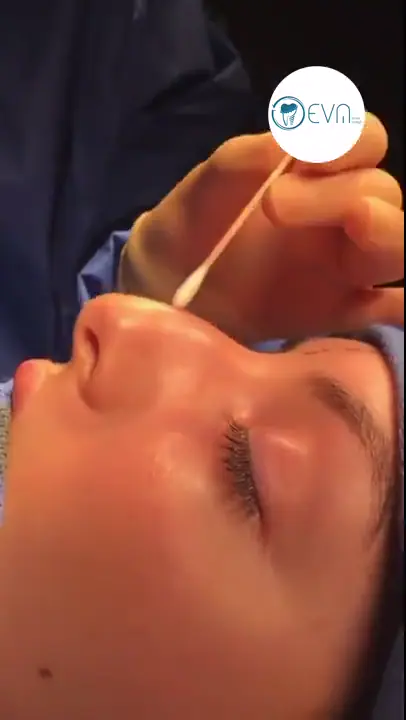
Rhinoplasty
Ivy Rhinoplasty Before and After
What Is Rhinoplasty?
Rhinoplasty is a surgical procedure that modifies the bone and cartilage structure of the nose. It is performed to correct functional breathing issues, address structural deformities resulting from trauma, or achieve specific aesthetic modifications.
The procedure demands rigorous preoperative planning to ensure that any aesthetic alterations do not compromise nasal airflow or long-term structural stability. The surgical technique—whether open or closed—is determined exclusively by the complexity of the internal anatomy and the specific clinical objectives identified during your assessment.
Treatment Overview
Surgical Indications
Understanding the clinical focus of your procedure.
Aesthetic & Functional Goals
Aesthetic Modifications
Refining the nasal bridge, altering tip projection, or adjusting symmetry to achieve harmonious facial proportions, always respecting the underlying skeletal structure.
Functional Correction
Addressing septal deviation (Septoplasty) or turbinate hypertrophy to clear obstructed airways and restore optimal breathing function, often performed concurrently.
Case Complexity
Primary Rhinoplasty
The initial surgical intervention on an unoperated nose. Tissue planes are typically intact, allowing for predictable structural manipulation and predictable healing pathways.
Revision Rhinoplasty
Correcting unfavorable outcomes from previous surgeries. This involves complex scar tissue management and often requires rib or ear cartilage grafting to rebuild compromised nasal support
Gallery Masonry
Discover the Beauty of Symmetry with the Gallery Collection: A Visual Journey Through Perfectly Aligned Artworks.
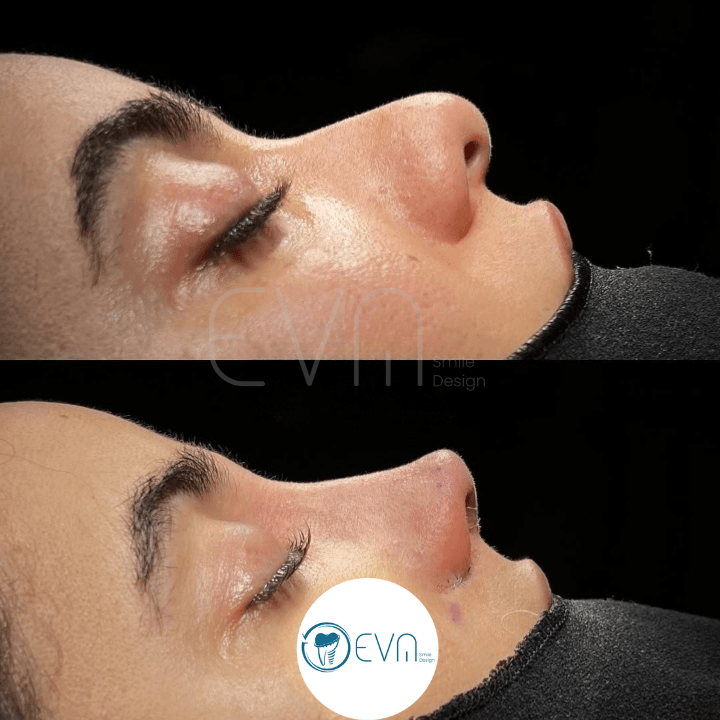
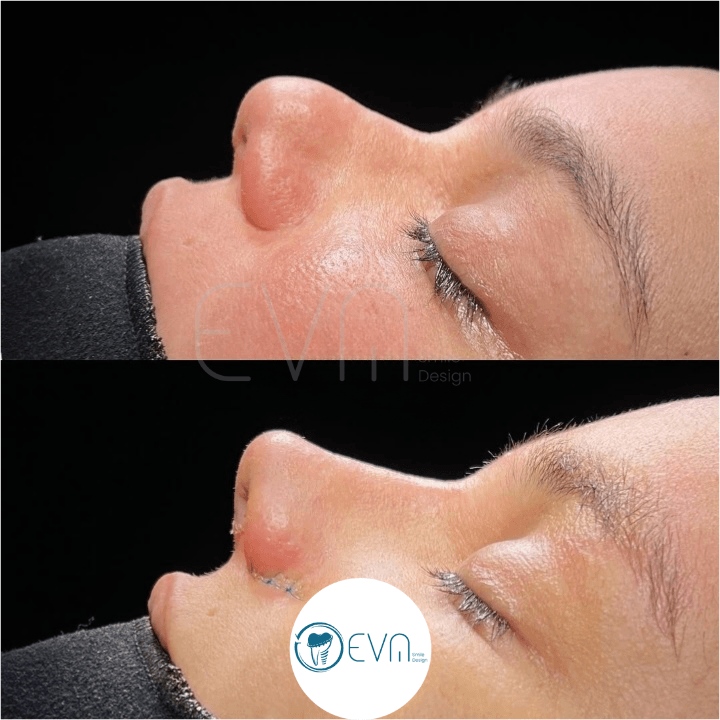
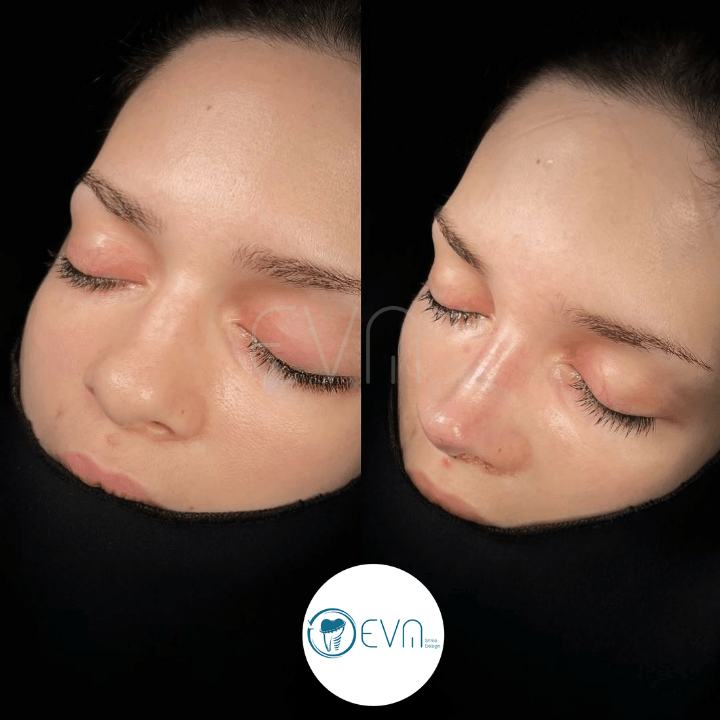
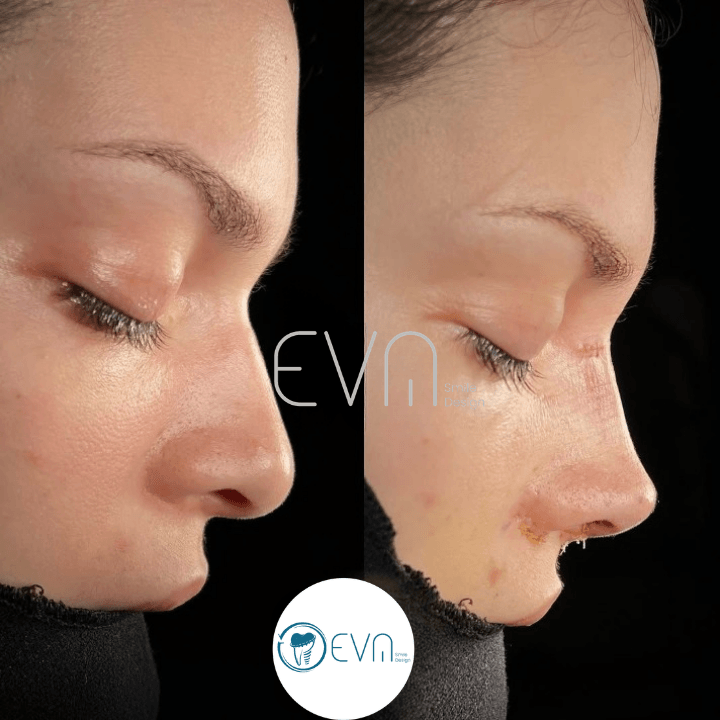
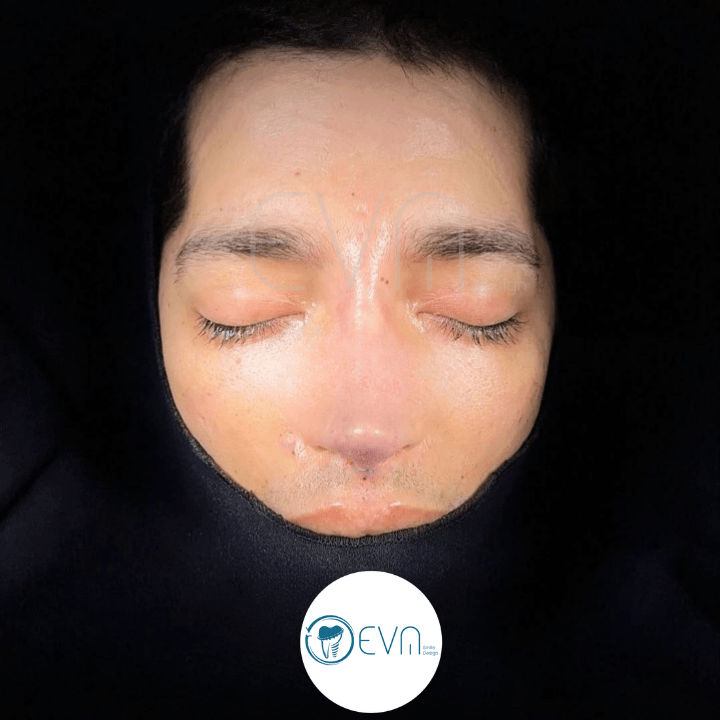
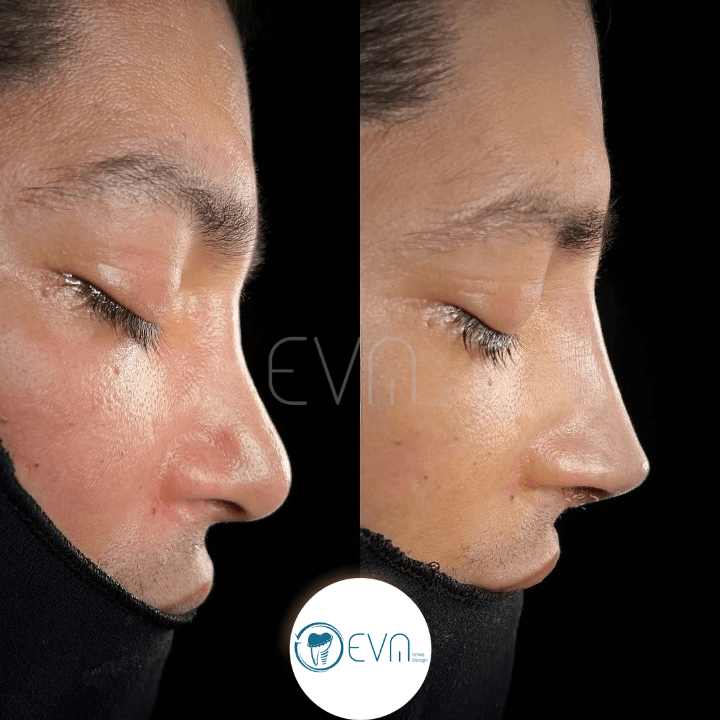
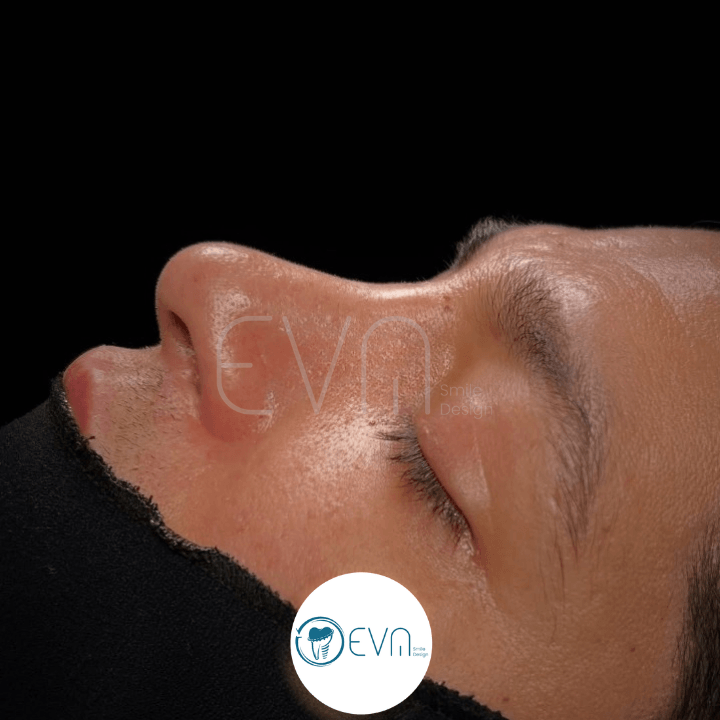
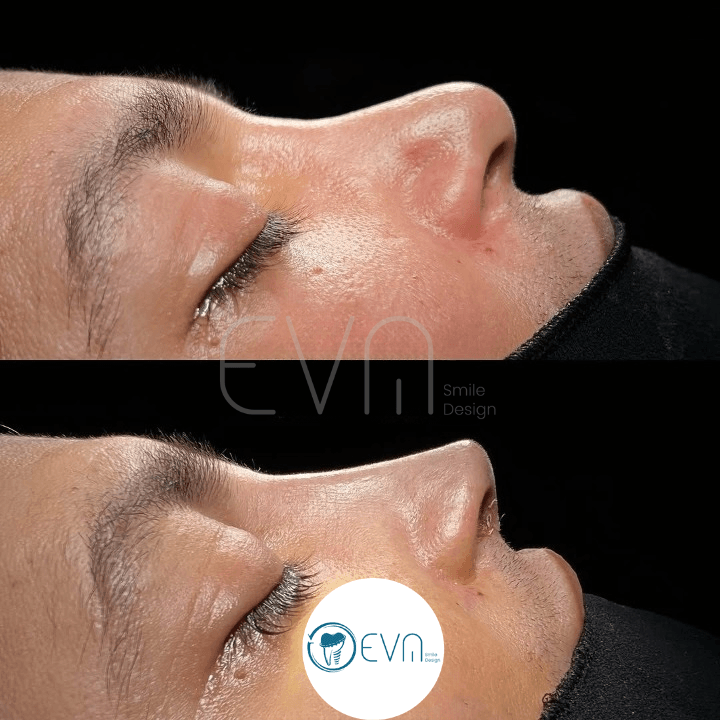
How Treatment Planning Works
Treatment abroad begins with information gathering and a preliminary review. Final suitability, risks and the treatment plan are confirmed only after assessment by the responsible clinician.
Get in Touch with Us
Have a question or want to learn more about what we do? We're here to help you.
Rhinoplasty Surgery in Turkey: Planning Treatment in Istanbul
Rhinoplasty is surgery intended to change the structure, shape or proportions of the nose. In some cases, nasal surgery may also address structural factors affecting breathing.
Eva Smile & Aesthetics helps international patients considering rhinoplasty surgery in Turkey understand the planning process, organise relevant information and coordinate defined non-clinical stages of their treatment journey in Istanbul.
What Is Rhinoplasty Surgery?
Rhinoplasty, sometimes described as nose reshaping or a “nose job”, is a surgical procedure used to alter parts of the nose’s bone, cartilage, skin or supporting structures.
The procedure may be intended to change one or more features, such as:
The overall proportions of the nose
The nasal bridge
A visible hump or depression
The nasal tip
The width or position of the nostrils
Nasal asymmetry
Structural factors that may contribute to breathing difficulty
Rhinoplasty is not a standardised operation that is performed in exactly the same way for every patient. The proposed changes and surgical method must be planned for the individual nose, face and functional requirements.
What Can Rhinoplasty Aim to Change?
Depending on the individual assessment, rhinoplasty may aim to:
Reduce or increase parts of the nose
Alter the contour of the nasal bridge
Refine or support the nasal tip
Adjust nostril shape or width
Improve balance between the nose and other facial features
Address structural asymmetry
Reconstruct changes caused by injury or previous surgery
Address certain structural causes of impaired nasal breathing
The presence of a concern does not automatically mean that rhinoplasty is suitable or that surgery will achieve the exact change requested.
The responsible surgeon should explain what may be realistically achievable, which limitations apply and whether an alternative approach should be considered.
Cosmetic Rhinoplasty, Functional Rhinoplasty and Septoplasty
Cosmetic rhinoplasty
Cosmetic rhinoplasty primarily concerns the visible shape, size or proportions of the nose.
Functional rhinoplasty
Functional rhinoplasty may involve structural changes intended to address nasal airflow or support.
Septoplasty
Septoplasty is surgery focused on the nasal septum, the structure separating the nasal passages. It is not the same as cosmetic rhinoplasty, although septal surgery and rhinoplasty may sometimes be planned together.
A patient describing breathing difficulty should not assume that cosmetic rhinoplasty alone will resolve it. Appropriate examination may be needed to identify the cause and determine whether rhinoplasty, septoplasty, another treatment or no surgery is appropriate.
Who May Consider Rhinoplasty?
A person may consider requesting a rhinoplasty assessment when they have a persistent concern about the appearance, structure or function of their nose.
General factors considered during assessment may include:
The patient’s goals and expectations
Nasal and facial anatomy
Skin characteristics
Previous nasal injury
Previous nasal surgery
Breathing concerns
General health
Smoking or nicotine use
Current medication
Previous operations
Healing history
Psychological readiness
Ability to follow recovery instructions
Availability of suitable aftercare
These are general considerations, not a suitability checklist. Only the responsible surgeon can decide whether surgery may be appropriate.
Why Rhinoplasty May Not Proceed
A surgeon may postpone, change or decline a proposed rhinoplasty when:
The requested outcome is not surgically realistic
The risks outweigh the expected benefit
Relevant health information has not been supplied
A medical condition requires further investigation or management
The patient is not ready to follow recovery requirements
Smoking or nicotine use creates additional concerns
Expectations cannot be aligned with a realistic outcome
Further imaging, testing or specialist assessment is required
There is an active infection or another temporary contraindication
The proposed facility or anaesthesia arrangements are not suitable
The surgeon believes that another treatment or no surgery is more appropriate
Travelling to Istanbul does not create an obligation for a surgeon to perform the operation.
Rhinoplasty Assessment
A rhinoplasty consultation may include discussion of:
What concerns the patient would like to address
Whether the concern relates to appearance, breathing or both
Medical and surgical history
Previous injuries
Previous nose surgery
Medication, allergies and smoking status
Nasal and facial examination
Measurements or clinical photographs
Skin and cartilage characteristics
Breathing and internal nasal structures where relevant
Possible surgical techniques
Potential benefits
Risks and limitations
Recovery and follow-up
Alternatives to surgery
A recognised plastic-surgery consultation should include an evaluation of general health and risk factors, examination of facial structures, discussion of surgical options, expected outcomes and possible complications.
Open and Closed Rhinoplasty
Open rhinoplasty
An open rhinoplasty generally involves incisions inside the nostrils and a small external incision across the tissue between the nostrils.
This approach may provide greater access to the nasal structures, but whether it is appropriate depends on the planned surgery.
Closed rhinoplasty
A closed rhinoplasty generally uses incisions inside the nostrils without the same external incision.
Closed surgery is not automatically less complex, more suitable or better for every patient.
The choice between open and closed rhinoplasty should be made by the responsible surgeon based on the individual anatomy, surgical objectives and previous treatment history. NHS patient information describes both internal-incision and external-incision approaches and notes that a closed approach is not always possible or available.
Cartilage Grafts in Rhinoplasty
Some rhinoplasty procedures may involve cartilage grafts to support or reshape the nose.
Depending on the individual operation, graft material may be obtained from:
The nasal septum
The ear
A rib
Not every rhinoplasty requires additional graft material.
The surgeon should explain:
Why a graft is proposed
Where the graft may come from
Which additional incisions may be required
Possible donor-site risks
Alternatives
How the graft may affect recovery
Professional procedural guidance notes that septal cartilage is commonly used, while ear or rib cartilage may sometimes be considered.
What Happens During Rhinoplasty Surgery?
The precise steps differ between patients, but a rhinoplasty pathway may include:
Admission and identity checks
Review of the agreed surgical plan
Informed consent
Pre-operative assessment
Anaesthesia
Surgical access through the planned incisions
Reshaping, repositioning, reducing or supporting nasal structures
Functional corrections where included in the agreed plan
Closure of incisions
Application of dressings, splints or internal supports where required
Recovery monitoring
Discharge when considered appropriate by the healthcare facility and responsible professionals
Risks and Possible Complications of Rhinoplasty
Rhinoplasty is surgery and is not risk-free.
Possible risks and complications may include:
Anaesthesia-related complications
Bleeding
Infection
Swelling and discolouration
Pain or altered sensation
Poor wound healing
Scarring
Nasal obstruction or breathing difficulty
Changes in smell
Nasal asymmetry
An unsatisfactory appearance
Septal perforation
Structural weakness
Need for additional treatment
Need for revision surgery
The risks that are most relevant, their likelihood and how they would be managed depend on the individual patient and operation. These matters should be discussed directly with the responsible surgeon before consent.
Rhinoplasty Recovery
Recovery after rhinoplasty is gradual and differs between patients.
The first days
Patients may experience:
Swelling
Bruising around the nose or eyes
Nasal blockage
Minor bleeding or discharge
Pressure or discomfort
Temporary numbness
Difficulty breathing through the nose
Tiredness following surgery or anaesthesia
Dressings, a nasal splint or internal supports may be used depending on the operation.
The first weeks
Visible bruising and swelling may gradually improve. Patients may still need to avoid strenuous activity, pressure on the nose, contact sports and actions that could disturb healing.
The following months
Some swelling can take several months to resolve. Subtle changes may continue as the tissues heal, and the final appearance should not be judged too early.
NHS guidance notes that patients may need up to approximately two weeks away from work, while the full effect may take several months to become clear. These are general estimates, not promises for an individual patient.
The responsible surgeon’s personalised instructions take priority over general website information.
Warning Signs and Urgent Concerns
Before discharge, the healthcare facility should explain which symptoms require urgent contact and how to obtain help.
Seek urgent professional advice when instructed or when experiencing unexpected or worsening concerns such as:
Significant or persistent bleeding
Severe or increasing pain
Increasing redness, heat or swelling
Foul-smelling or unusual discharge
Fever or signs of infection
Sudden breathing difficulty
Chest pain
Shortness of breath
Fainting
New visual symptoms
Any symptom the treating team identified as urgent
This list is not a diagnostic tool and is not exhaustive.
For an emergency, seek appropriate local emergency care rather than waiting for a response from Eva.
Is Rhinoplasty in Turkey a Holiday?
Rhinoplasty surgery in Turkey should not be treated as an ordinary holiday package.
Surgery requires preparation, recovery, monitoring and appropriate follow-up. Immediately after an operation, sightseeing, sun exposure, swimming, alcohol consumption and physically demanding activities may be inappropriate.
Patients should allow recovery needs and the responsible surgeon’s instructions not tourism plans to determine their schedule. NHS guidance specifically advises caution about combining overseas cosmetic surgery with holiday-style activities immediately after treatment.
Flying Home After Rhinoplasty
The appropriate time to fly home cannot be determined from a general webpage.
The decision may depend on:
The type and extent of surgery
Anaesthesia
Individual health factors
Recovery progress
Bleeding or swelling
The presence of complications
Follow-up appointments
Length of the flight
The surgeon’s instructions
Airline and travel-insurance requirements
Air travel and surgery can introduce additional health considerations. NHS overseas cosmetic-surgery guidance recommends planning the return flight around recovery and provides a general waiting period for facial cosmetic procedures, but an individual patient must follow the responsible professional’s advice.
Local Follow-Up After Returning Home
Before rhinoplasty surgery in Istanbul, patients should understand how follow-up will work after they leave Türkiye.
Questions to resolve include:
Which appointments take place before departure?
Who removes any non-dissolving stitches or dressings?
Can follow-up take place remotely?
Which concerns require in-person assessment?
Is a suitable professional available in the patient’s home country?
How will the Istanbul surgeon communicate with a local professional?
Who pays for local consultations, tests or treatment?
What happens if the patient needs to return to Istanbul?
What happens if revision surgery is discussed?
How can the patient obtain their records?
Eva may help coordinate communication within its confirmed non-clinical scope, but local healthcare must be provided by an appropriate independent professional.
Rhinoplasty Cost in Turkey
There is no single reliable price for rhinoplasty surgery in Turkey because the proposed operation and related arrangements differ between patients.
Cost may be affected by:
Primary or revision surgery
Surgical complexity
Functional and cosmetic components
Required graft material
Facility charges
Surgeon and professional fees
Anaesthesia
Tests or imaging
Length of stay
Medication
Follow-up
Transfers
Accommodation
Additional treatment
Complication management
Revision arrangements
A written quotation should explain:
The proposed treatment
Known inclusions
Known exclusions
Payment stages
Deposit conditions
Cancellation terms
Circumstances that may change the amount
Whether travel and accommodation are separate
Whether revision or additional treatment is included
A low advertised price should not replace verification of the surgeon, facility, treatment plan, risks and follow-up arrangements.
Why the Rhinoplasty Plan May Change in Istanbul
A preliminary plan may change after the surgeon examines the patient in person.
Changes may result from:
Internal nasal findings
Skin thickness
Cartilage strength
Scar tissue
Previous surgery
Breathing assessment
Facial proportions
New medical information
Test or imaging findings
Anaesthesia assessment
Safety concerns
Differences between photographs and physical examination
Possible outcomes include:
Proceeding with the preliminary plan
Modifying the technique
Adding or removing part of the proposed procedure
Requesting further investigation
Delaying surgery
Recommending an alternative
Deciding not to operate
Patients should understand this possibility before making non-refundable travel or financial commitments.
Primary Rhinoplasty and Revision Rhinoplasty
Primary rhinoplasty
Primary rhinoplasty refers to a first rhinoplasty operation.
Revision rhinoplasty
Revision rhinoplasty refers to further surgery after a previous rhinoplasty.
Revision surgery may be considered for appearance-related concerns, structural problems, breathing concerns or a combination of factors. It can be more complex because previous surgery may have altered cartilage, bone, soft tissue, blood supply and scar patterns.
Revision rhinoplasty does not guarantee that every concern can be corrected.
Patients seeking revision assessment may be asked to provide:
Previous operation dates
Operative reports
Previous photographs
Implant or graft information
Previous imaging
Details of complications
Information about healing and current symptoms
Final suitability remains with the responsible surgeon.
Your Rhinoplasty Coordination Pathway
Step 1 — Share your enquiry
Tell Eva what you are considering and why you are researching rhinoplasty in Istanbul.
Step 2 — Provide requested information
You may be asked for photographs, medical history, previous operation records or information about breathing concerns.
Step 3 — Preliminary review
Relevant information may be reviewed by an appropriate professional where permitted and arranged.
Step 4 — Receive preliminary information
You may receive an initial indication of possible next steps. This is not a final surgical plan.
Step 5 — Verify the providers
Review the surgeon’s identity, facility, anaesthesia arrangements and proposed pathway.
Step 6 — Review the written quotation
Confirm inclusions, exclusions, payment conditions and circumstances that could change the amount.
Step 7 — Plan travel responsibly
Allow for consultation, surgery, recovery and follow-up rather than treating the visit as a standard holiday.
Step 8 — Attend the individual assessment
The surgeon makes the clinical decision after the required examination.
Step 9 — Treatment and discharge
Surgery proceeds only when approved by the responsible professionals and facility.
Step 10 — Follow-up and return home
Follow the treating team’s instructions and understand the plan for local care after leaving Istanbul.
Frequently Asked Questions About Rhinoplasty in Turkey
Is rhinoplasty the same as a nose job?
Yes. “Nose job” is an informal term commonly used for rhinoplasty, which is surgery intended to change the shape or structure of the nose.
Is rhinoplasty only cosmetic?
No. Rhinoplasty may address appearance-related goals, structural breathing concerns or both. The cause of breathing difficulty must be appropriately assessed.
Can Eva decide whether I am suitable?
No. Eva coordinates defined non-clinical stages. Only the responsible surgeon can determine suitability after an appropriate assessment.
Can photographs confirm my rhinoplasty plan?
No. Photographs may support preliminary discussion, but they cannot replace physical examination or confirm the final plan.
Is open rhinoplasty better than closed rhinoplasty?
Neither approach is automatically better. The suitable technique depends on the patient’s anatomy, goals, previous surgery and the surgeon’s assessment.
Will I have visible scars?
An open approach commonly involves a small external incision between the nostrils, while a closed approach generally uses internal incisions. Scar location and healing should be discussed with the surgeon.
Is rhinoplasty painful?
Pain and discomfort vary between individuals. The treating team should explain expected discomfort and provide individual instructions. The procedure should not be advertised as pain-free.
How long does rhinoplasty recovery take?
Initial visible recovery often takes several weeks, but swelling and subtle changes may continue for months. Individual recovery cannot be guaranteed from a general timeline.
When will I see the final result?
The final appearance should not be judged during early swelling. It may take several months or longer for tissues to settle, depending on the individual operation and healing process.
Can rhinoplasty improve breathing?
Rhinoplasty may address certain structural causes of impaired breathing, but not every breathing problem is caused by nasal shape. Assessment is required to identify the cause and appropriate treatment.
Can rhinoplasty results be guaranteed?
No. Surgery cannot guarantee exact symmetry, a computer-generated result, freedom from complications or permanent satisfaction.
Could I need revision rhinoplasty?
Yes. Additional surgery may sometimes be considered because of healing, appearance, breathing, structural concerns or complications. Revision surgery is not automatically included in an original treatment quotation.
How long should I stay in Istanbul?
The appropriate stay depends on the operation, recovery, follow-up schedule and surgeon’s instructions. Do not rely on a generic package duration.
When can I fly home after rhinoplasty?
Only the responsible professional can advise you based on your operation and recovery. General overseas-surgery guidance should not replace individual fitness-to-fly advice.
Is rhinoplasty surgery in Turkey cheaper than in the UK or Europe?
Costs may differ, but an advertised price may not include all clinical, travel, follow-up or complication-related expenses. Compare the full written quotation and provider verification rather than price alone.
How do I verify a hospital or clinic in Turkey?
Ask for the facility’s legal identity and check whether it appears in the relevant Republic of Türkiye Ministry of Health authorisation records.
What happens if the surgeon changes the plan?
The surgeon should explain why the change is recommended, its risks, alternatives, financial effect and whether you have sufficient time to make an informed decision.
What if I have a problem after returning home?
Follow the written instructions from the treating team and seek appropriate local medical care when required. Before surgery, establish who will provide follow-up and how records will be shared.
Does Eva provide emergency care?
No. Eva is not an emergency service. Seek appropriate urgent or emergency care where you are located.
What is rhinoplasty?
Rhinoplasty is surgery to alter the shape or supporting structure of the nose. It may address appearance-related goals, certain functional concerns or both. The final plan depends on individual anatomy and assessment.
Who is rhinoplasty for?
Rhinoplasty may be considered by a person with a persistent concern about nasal appearance, structure or function. It is not suitable for everyone, and only the responsible surgeon can determine whether surgery may be appropriate.
What does an online rhinoplasty review determine?
An online review may help organise preliminary information and identify questions for consultation. It does not diagnose a condition, confirm suitability or establish the final surgical plan.
Who decides which rhinoplasty technique is used?
The responsible surgeon decides which technique may be appropriate after assessing the patient’s anatomy, goals, health history, functional concerns and previous treatment.
What should an international patient verify?
An international patient should verify the surgeon’s identity and credentials, the healthcare facility’s legal identity and authorisation, the anaesthesia arrangements, the written treatment plan, risks, quotation and follow-up pathway.
What are the main limitations of rhinoplasty?
Rhinoplasty cannot guarantee perfect symmetry, a precise simulated result, complete correction of every concern or freedom from complications. Healing and results differ between individuals.
What happens after a rhinoplasty enquiry?
After an enquiry, relevant information may be collected for preliminary review. The patient should then receive provider information and attend an appropriate consultation before any final treatment decision is made.
Why may a rhinoplasty plan change?
A rhinoplasty plan may change when physical examination, internal nasal findings, scar tissue, breathing assessment, skin characteristics or new health information affects what is considered safe and appropriate.
Is rhinoplasty surgery in Turkey safe?
No country or destination makes surgery automatically safe. Safety depends on the individual assessment, responsible surgeon, authorised healthcare facility, anaesthesia, infection controls, informed consent, aftercare and access to follow-up.
What is Eva Smile & Aesthetics?
Eva Smile & Aesthetics is an international-patient coordination brand supporting people considering dental treatment or plastic surgery in Istanbul. Eva coordinates defined non-clinical stages and does not replace the responsible healthcare facility or treatment professional.
Start with a Clear Rhinoplasty Enquiry
Tell Eva what you are considering, whether your concern relates to appearance, breathing or previous surgery, and which information you already have.
Eva can help you understand the next coordination step and what should be verified before you decide whether to travel for rhinoplasty surgery in Turkey.
Related guides: Rhinoplasty cost, recovery and safety guide · International patient planning
MEDICAL AND EDITORIAL NOTICE
This page provides general information about rhinoplasty and international-patient planning.
It does not:
Diagnose a condition
Determine suitability
Recommend a surgeon
Establish an individual treatment plan
Provide medication instructions
Replace informed consent
Provide emergency advice
Guarantee treatment or results
Clinical decisions and instructions must be provided by the responsible surgeon and healthcare facility.
