Aumento del seno
Comprendere l’aumento del seno prima del viaggio
Pianificazione implantare individuale a Istanbul, con una discussione chiara su anatomia mammaria, scelta dei dispositivi, cicatrici, rischi, monitoraggio, recupero e obiettivi realistici.
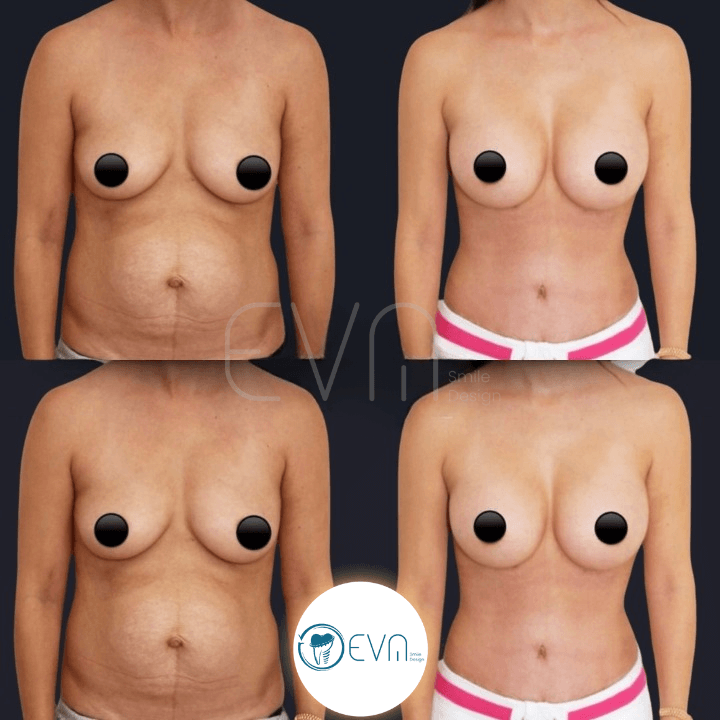
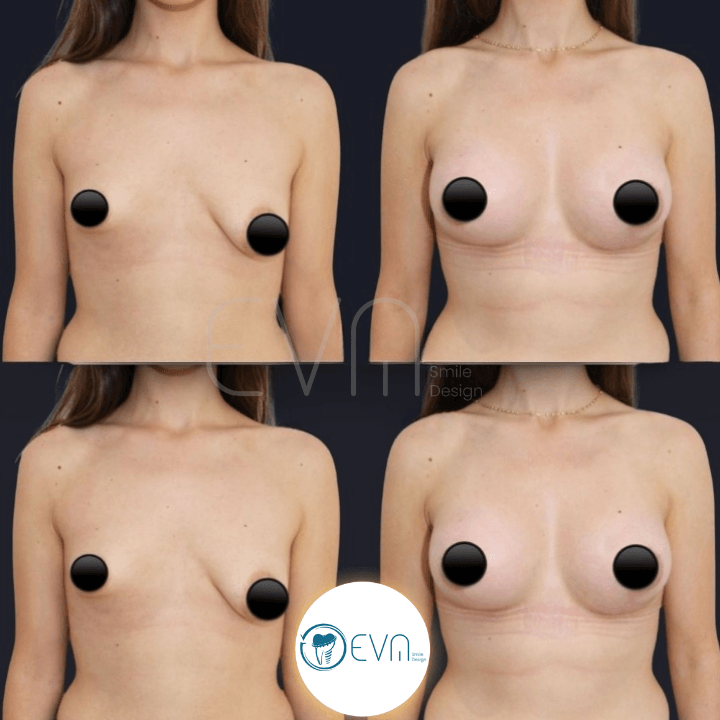
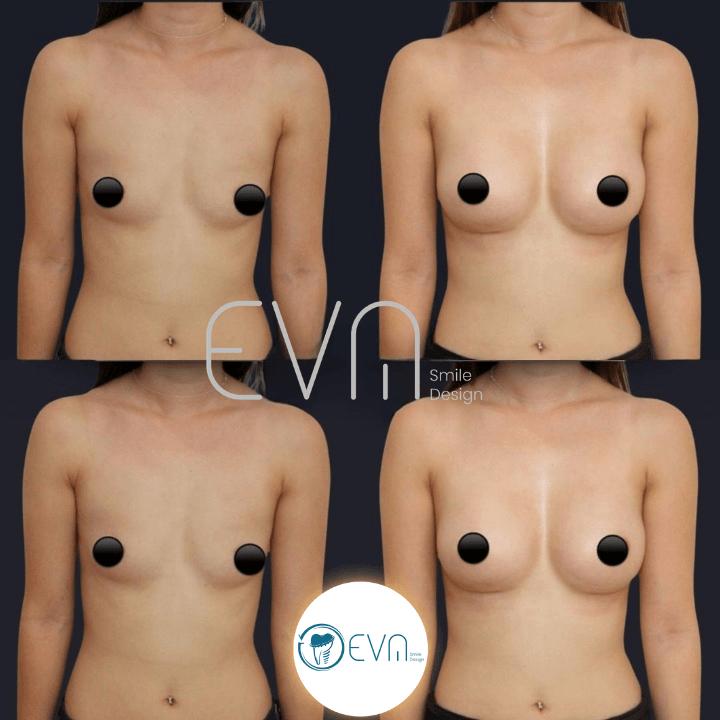
Aumento del seno Prima & dopo Videos
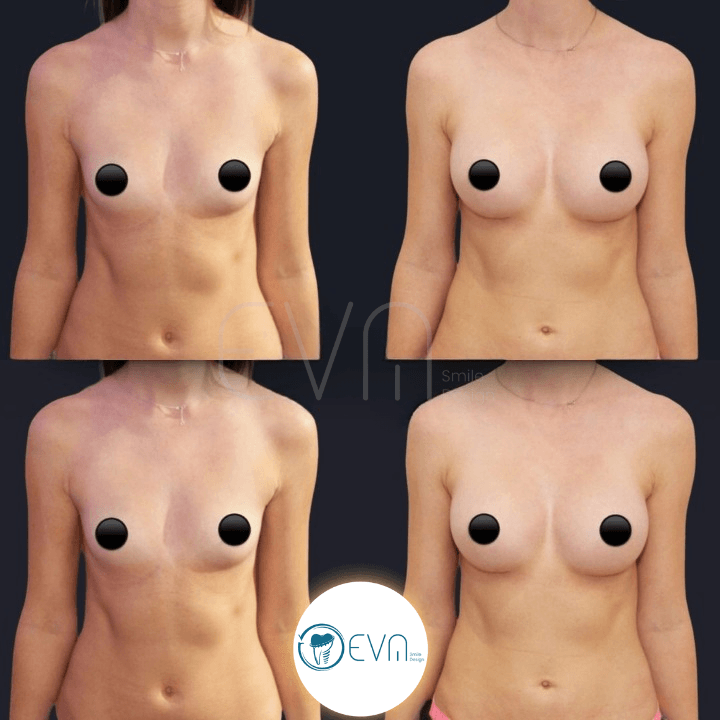
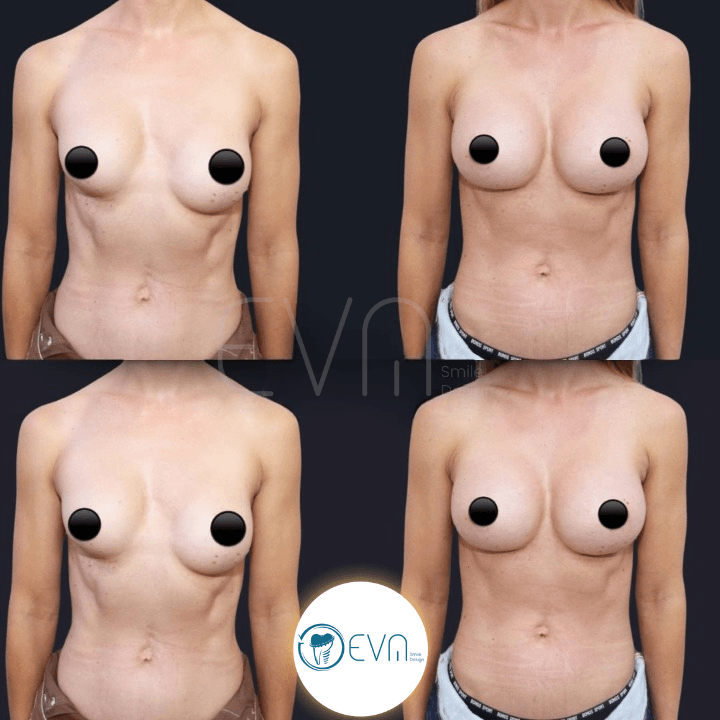
Aumento del seno
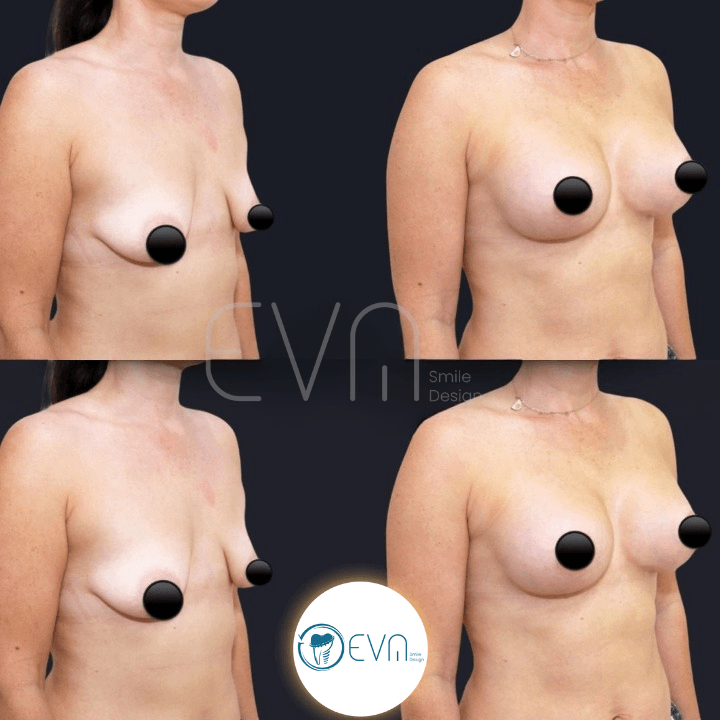
Amaya Aumento del seno in Turkey Before and After

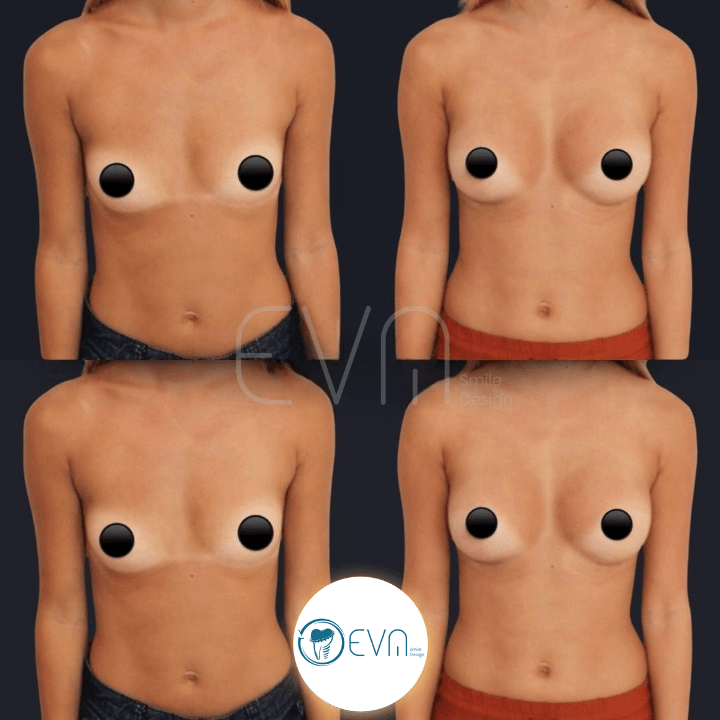
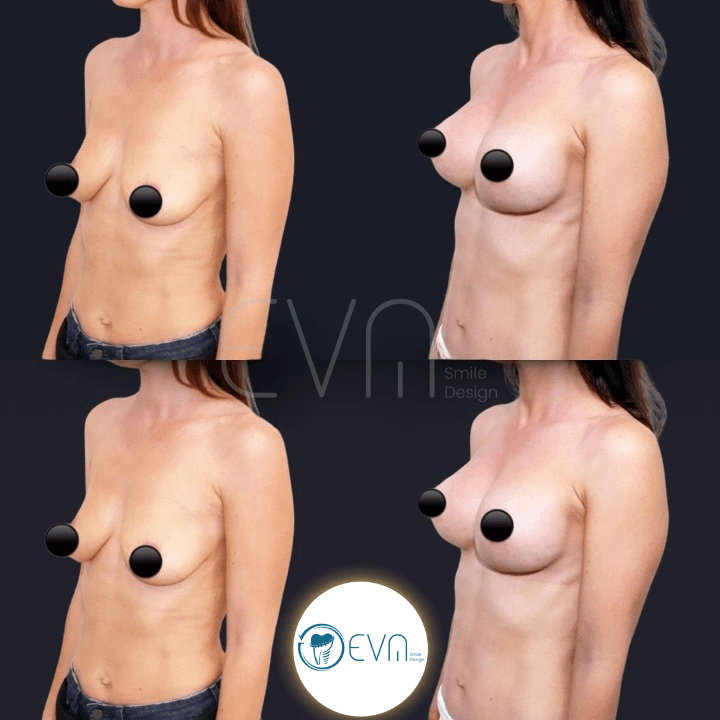
Aumento del seno
Ariel Aumento del seno in Turkey Before and After

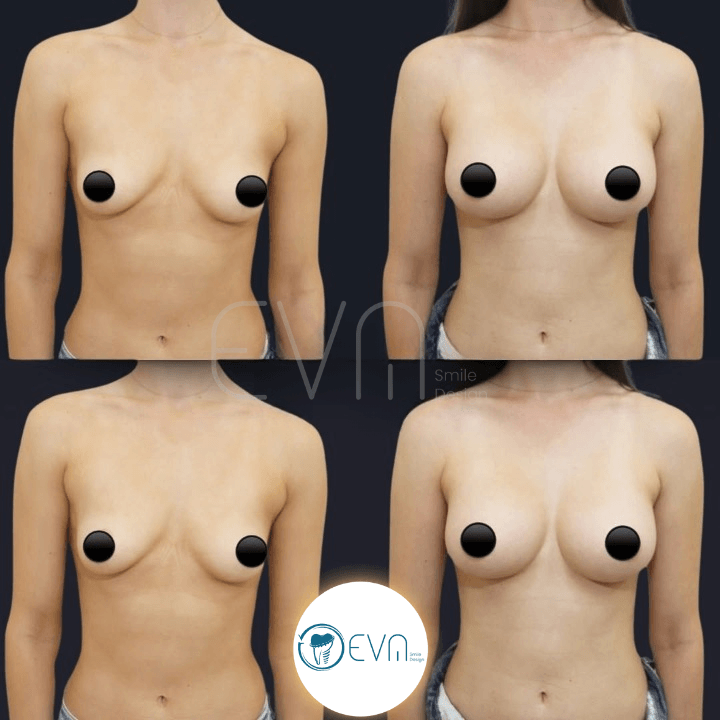
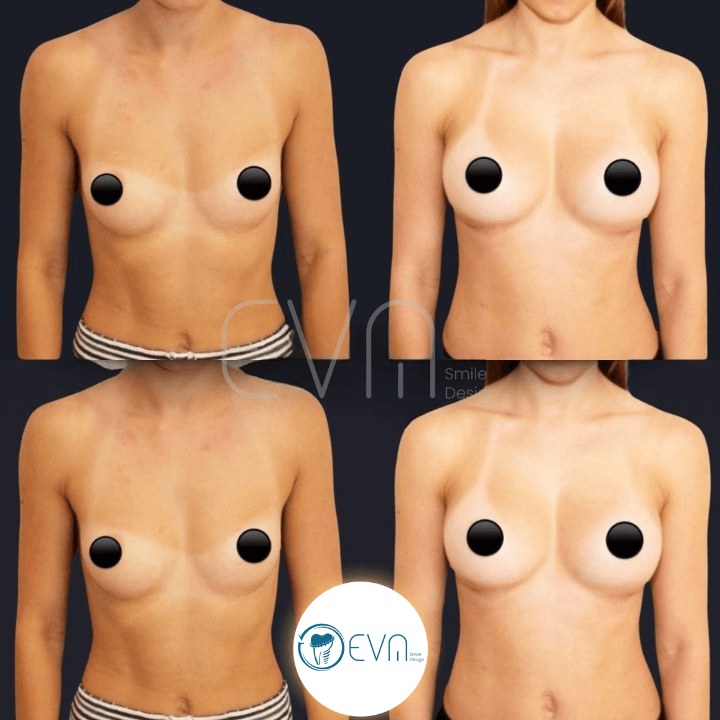
Aumento del seno
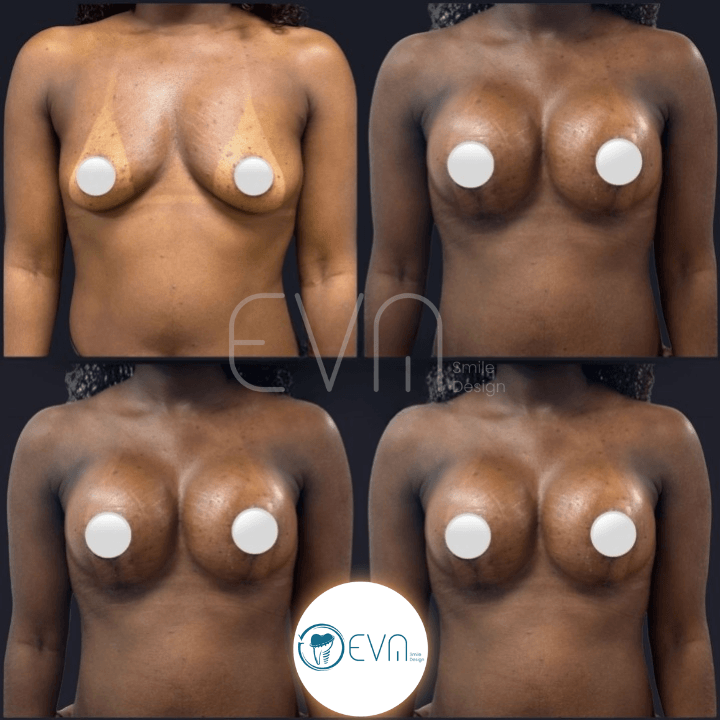
Aryanna Aumento del seno in Turkey Before and After
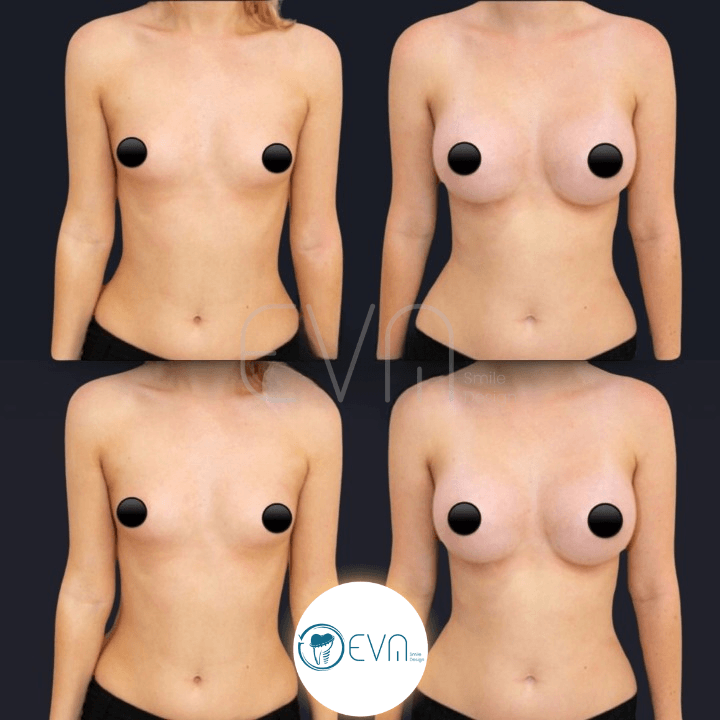
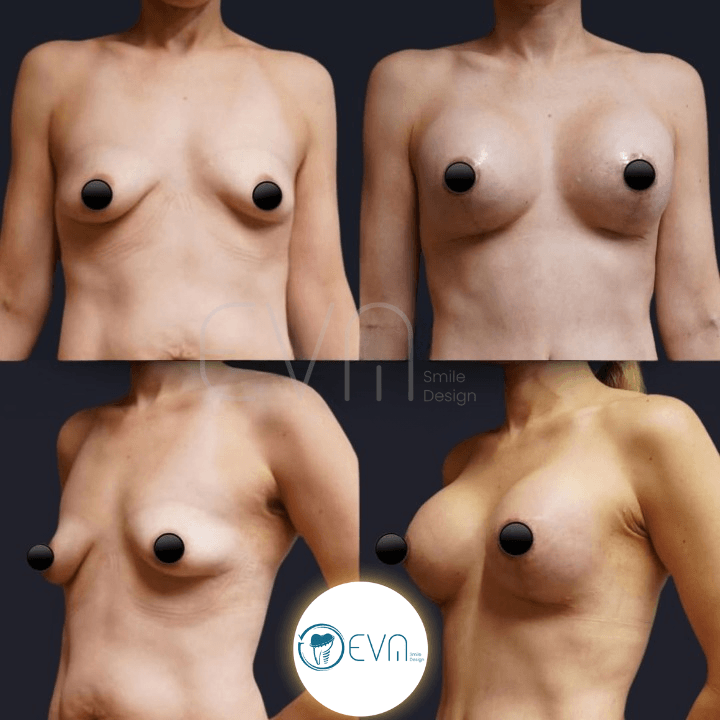
Aumento del seno
Ashton Aumento del seno in Turkey Before and After
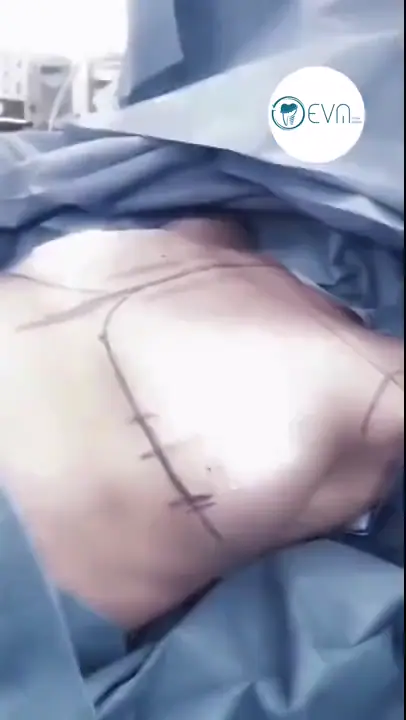
Aumento del seno
Aurora Aumento del seno Before and After
What Is Aumento del seno?
L’aumento del seno aggiunge volume, generalmente mediante impianti inseriti in una tasca creata chirurgicamente. La scelta e la posizione del dispositivo sono decisioni cliniche individuali.
La pianificazione considera anatomia del seno e del torace, copertura dei tessuti, asimmetria, qualità cutanea, progetti di gravidanza, salute mammaria, dimensioni dell’impianto e possibilità di controlli o revisioni future.
Panoramica del trattamento
Considerazioni sulla pianificazione implantare
Dimensioni dell’impianto, copertura dei tessuti, posizionamento e responsabilità a lungo termine devono essere valutati insieme.
Dispositivo & anatomia
Dimensioni e profilo
Larghezza, proiezione e volume vengono adattati all’anatomia, non a una misura di coppa promessa.
Posizionamento
Il posizionamento sopra il muscolo, sotto il muscolo o dual-plane presenta compromessi individuali.
Pianificazione a lungo termine
Non sono dispositivi permanenti
Durante la vita gli impianti possono richiedere monitoraggio, rimozione o sostituzione.
Rischio consapevole
Contrattura capsulare, rottura, revisione e BIA-ALCL devono essere discussi prima del consenso.
Percorso del paziente & ambiente di cura
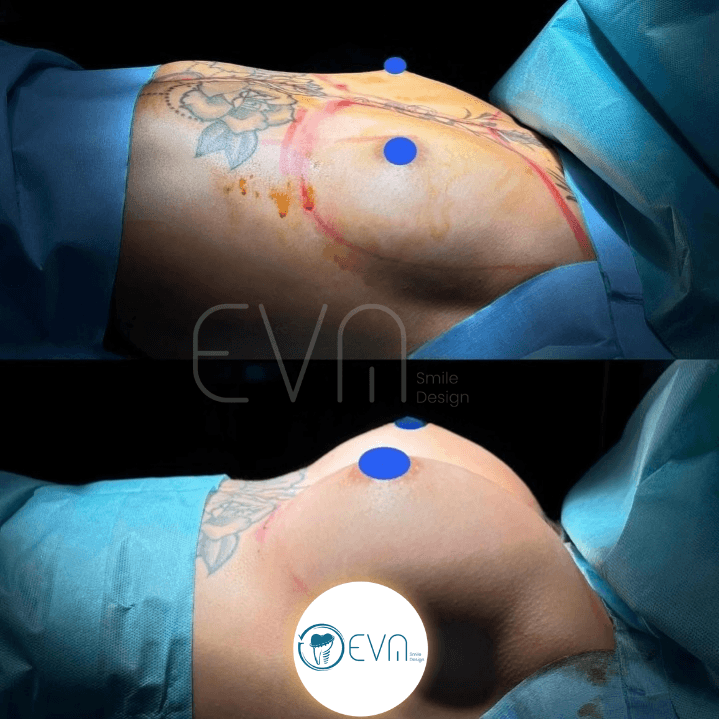
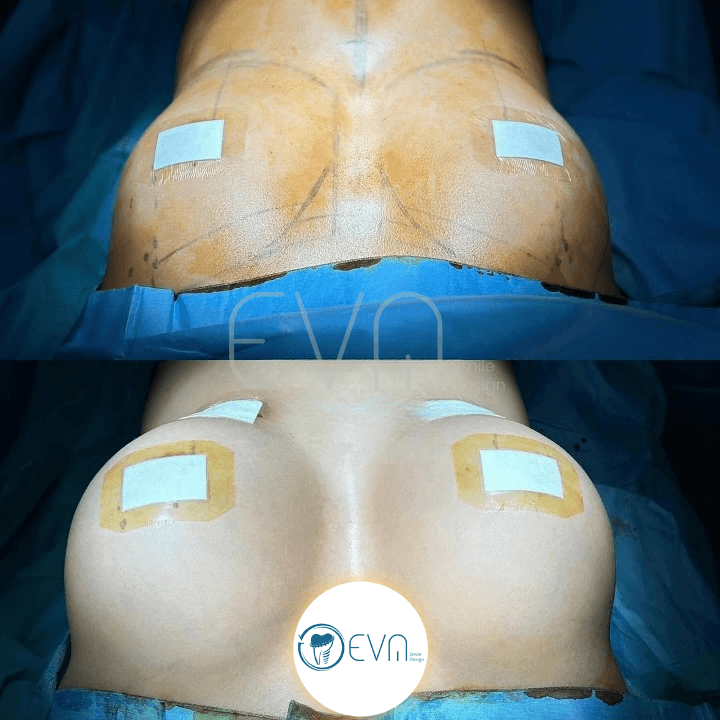
Contenuti disponibili sui percorsi dei pazienti ed esempi di strutture sanitarie partner utilizzate durante i trattamenti coordinati a Istanbul.
Come funziona la pianificazione del trattamento
Un trattamento all’estero inizia con la raccolta delle informazioni e una valutazione preliminare. L’idoneità finale, i rischi e il piano di trattamento vengono confermati solo dopo la valutazione del professionista responsabile.
Contattaci
Hai una domanda o vuoi saperne di più su ciò che facciamo? Siamo qui per aiutarti.
Aumento del seno in Turkey: Planning Implant Surgery in Istanbul
Breast augmentation increases or restores breast volume, most commonly with implants. It may be considered to change size, shape, balance or asymmetry. Eva Smile & Aesthetics supports international patients with defined non-clinical coordination before and after consultation in Istanbul. Only the responsible plastic surgeon can confirm suitability, implant choice, surgical plan and follow-up.
What Is Aumento del seno?
Breast augmentation places an implant beneath breast tissue, chest muscle or a planned tissue plane to add volume and influence shape. In selected patients, fat transfer may be discussed as an alternative or complementary approach, but it is a different procedure with different limitations, risks and achievable volume.
Implants do not correct every form of drooping. When skin laxity or nipple position is a major concern, the surgeon may discuss augmentation with a breast lift. Combining procedures changes scars, risk and recovery.
Who May Consider Augmentation?
Assessment commonly considers general health, breast anatomy, asymmetry, skin and tissue thickness, chest-wall shape, pregnancy and breastfeeding history, future plans, weight stability, smoking or nicotine exposure, medication, breast health and expectations.
Surgery may be postponed or not recommended when health findings, active smoking, unstable weight, pregnancy or breastfeeding, abnormal breast findings, unrealistic expectations or another clinical factor increases risk. Photographs can support preliminary communication but cannot confirm suitability or implant selection.
Consultation and Breast Assessment
A responsible consultation should include medical history, allergies, medication and supplement review, breast examination, measurements, asymmetry, skin quality, nipple position, previous scars and discussion of goals. Tell the surgeon about personal or family history of breast disease and recent breast changes.
Breast imaging or additional assessment may be recommended according to age, history or examination. The surgeon should explain alternatives, incision options, implant position, likely scars, possible need for lift surgery and the limits of computer simulation or sizing tools.
Implant Size, Shape and Profile
Implant selection is not based on cup size alone. Width, volume, projection, shape and the patient’s tissue envelope must be considered together. A larger implant does not guarantee a better or longer-lasting result and may place more stress on tissues.
An exact cup size, cleavage pattern or photographic result cannot be guaranteed. Bra sizing varies and final appearance depends on anatomy, implant characteristics, surgical technique and healing.
Implant Fill and Surface
Silicone gel implants
These contain silicone gel inside an outer shell. Rupture may be difficult to notice without imaging, so long-term surveillance may be discussed.
Saline implants
These contain sterile saline and usually visibly deflate if the shell ruptures. Availability and suitability vary.
Surface characteristics
Implants may have different surfaces. Surface selection involves individual benefits and risks. Regulators report that BIA-ALCL has occurred more often with textured implants, particularly macrotextured devices, although assessment must consider the exact device and current local guidance.
The surgeon should identify the manufacturer, model, fill, surface, dimensions and reasons for the proposed device. Patients should receive device information for their records.
Implant Position and Incision
Implants may be placed above the chest muscle, below it or in a dual-plane arrangement. Tissue thickness, activity, breast shape, implant dimensions and surgeon assessment influence the choice. Each option has trade-offs involving coverage, movement, animation, pain and revision.
Common incision locations include the breast crease, around part of the areola or, less commonly, the armpit. Every approach leaves a scar. Scar position and suitability must be discussed before consent.
What Happens During Surgery?
Breast augmentation is commonly performed under general anaesthesia in an appropriate healthcare facility. The surgeon makes the planned incision, creates the implant pocket, places the selected device, checks position and symmetry, and closes the incision. Dressings and a support garment may be applied. Drains are not required in every case.
Operation time, monitoring, length of stay and discharge arrangements vary. The treating team should explain the responsible clinicians, anaesthesia, facility and postoperative care.
Implants Are Not Lifetime Devices
Breast implants are not lifetime devices. The longer they remain in place, the greater the possibility of a complication, removal or replacement. Future operations may be needed because of capsular contracture, rupture, implant position, breast change, symptoms or patient preference.
Revision timing cannot be predicted from a webpage. Keep implant records and maintain the follow-up and imaging plan recommended for the specific device and jurisdiction.
Risks and Possible Complications
Breast augmentation is invasive and is not risk-free. Possible risks include:
Bleeding, haematoma, infection or fluid collection
Delayed wound healing and noticeable scars
Temporary or permanent nipple or breast sensation changes
Asymmetry, implant malposition, rotation, rippling or visible edges
Capsular contracture, pain or breast firmness
Implant rupture or saline deflation
Changes affecting breastfeeding
Unsatisfactory appearance or need for revision surgery
Anaesthesia complications, blood clots and heart or lung complications
BIA-ALCL and reports of other rare cancers arising in the capsule around implants
The responsible surgeon must explain personal risk, device-specific information, alternatives and how complications would be investigated and managed.
BIA-ALCL and Other Capsule-Associated Cancers
Breast implant-associated anaplastic large cell lymphoma, or BIA-ALCL, is an uncommon lymphoma that can develop in fluid or scar tissue around an implant. It is not breast cancer. Regulators advise that the risk must be discussed during informed consent.
Symptoms can include persistent or rapidly developing swelling, a fluid collection, a lump, pain, hardening or a change in breast shape, often years after implantation. These symptoms require professional assessment. Regulators have also received reports of squamous cell carcinoma and other lymphomas in the implant capsule; these reports are rare but form part of informed discussion.
Rupture and Implant Monitoring
A saline implant usually deflates when the shell ruptures. Silicone rupture may be silent and may require imaging to detect. The likelihood of rupture increases as an implant ages.
Follow the surveillance advice supplied for the specific implant and provided by the responsible clinician. Do not assume that absence of symptoms proves that an implant is intact. New pain, shape change, swelling, a lump or other breast change should be assessed.
Recovery After Aumento del seno
The first days
Swelling, bruising, tightness, soreness and temporary sensation changes may occur. Follow written instructions for wound care, medicines, support garments, sleeping position and movement.
The first weeks
Light activity may gradually increase, but lifting, strenuous exercise and pressure on healing incisions are commonly restricted. Return to work depends on the operation and job demands.
The following months
Implants and tissues continue to settle. Scars mature over many months. Early position and shape should not be treated as the final result.
Warning Signs and Urgent Concerns
Seek urgent professional assessment for significant or one-sided swelling, persistent bleeding, severe or increasing pain, worsening redness or heat, pus or unusual discharge, fever, wound separation, sudden breast change, calf pain or swelling, chest pain, shortness of breath, fainting or any symptom identified as urgent by the treating team.
Eva is not an emergency service. In an emergency, obtain appropriate local emergency care without waiting for a coordination reply.
Pregnancy, Breastfeeding and Breast Screening
Pregnancy, breastfeeding, ageing and weight change can alter breast tissue around implants. Breastfeeding may remain possible but cannot be guaranteed. Discuss future plans before surgery.
Continue appropriate breast-health awareness and screening. Tell imaging staff that you have implants because mammography technique may need adjustment. New lumps, swelling, pain or changes should be professionally assessed rather than attributed automatically to implants.
Travelling to Istanbul for Augmentation
Breast augmentation in Turkey should not be treated as an ordinary holiday. Travel plans should allow time for consultation, tests, surgery, monitoring, wound review and recovery. Swimming, sunbathing, alcohol, heavy luggage and strenuous tourism may be unsuitable during early healing.
Before travelling, verify the surgeon’s identity and credentials, facility, anaesthesia arrangements, implant manufacturer and model, written treatment plan, risks, quotation, aftercare and complication plan.
Flying Home and Local Follow-Up
The appropriate time to fly depends on the operation, anaesthesia, wound condition, mobility, clot risk, follow-up schedule, flight duration and the surgeon’s advice. Discuss movement, medicines, support garments, luggage restrictions and travel insurance with the clinical team.
Before surgery, establish which reviews occur in Istanbul, who will assess concerns at home, how records and implant information will be shared, and who pays for local, complication or revision care. Remote photographs cannot replace an in-person examination when required.
Aumento del seno Cost in Turkey
Cost varies with implant type, surgical complexity, combination procedures, surgeon and facility fees, anaesthesia, tests, garments, medication, length of stay and follow-up. A written quotation should identify the proposed device and procedure, inclusions and exclusions, payment and cancellation terms, and whether complication or revision care is included.
Your Coordination Pathway
Step 1 — Share your enquiry
Explain your goals, previous breast surgery, pregnancy history and relevant health information.
Step 2 — Provide requested information
You may be asked for photographs, medication details and available breast imaging.
Step 3 — Preliminary review
Information can support discussion but does not confirm suitability, implant or technique.
Step 4 — Verify providers and device information
Review the surgeon, facility, anaesthesia and proposed implant details.
Step 5 — Attend individual assessment
The responsible surgeon examines you and defines appropriate options.
Step 6 — Review plan and consent
Understand device characteristics, scars, alternatives, risks, monitoring, recovery, costs and follow-up.
Step 7 — Treatment and discharge
Surgery proceeds only when approved by the responsible professionals and facility.
Step 8 — Long-term follow-up
Keep device records and maintain access to breast assessment, imaging and revision care.
Frequently Asked Questions
Do breast implants last forever?
No. Implants are not lifetime devices and further surgery may be needed.
Can I choose an exact cup size?
No exact cup size or photographic result can be guaranteed.
Is a lift always needed?
No. Need for a lift depends on skin, tissue and nipple position. It can only be decided after assessment.
What is capsular contracture?
Scar tissue naturally forms around an implant. If it tightens, the breast may become firm, painful or misshapen and further treatment may be required.
How is rupture detected?
Saline implants generally deflate visibly. Silicone rupture may be silent and may require ultrasound or MRI according to the clinical plan.
What is BIA-ALCL?
It is an uncommon lymphoma associated with the capsule or fluid around breast implants. Persistent swelling, a mass or pain needs assessment.
Can I breastfeed?
It may remain possible, but it cannot be guaranteed and may depend on anatomy and technique.
When can I exercise or fly?
Only according to the responsible clinical team’s instructions. Generic package durations are not individual clearance.
Does Eva choose my implant?
No. Device and treatment decisions belong to the responsible surgeon and healthcare facility.
Sources
Content updated: 6 August 2026.
MEDICAL AND EDITORIAL NOTICE
This page provides general information about breast augmentation and international-patient planning. It does not diagnose a condition, confirm suitability, select a device, establish an individual treatment plan, replace informed consent, provide emergency advice or guarantee a result. Clinical decisions and instructions must be provided by the responsible plastic surgeon and healthcare facility.
