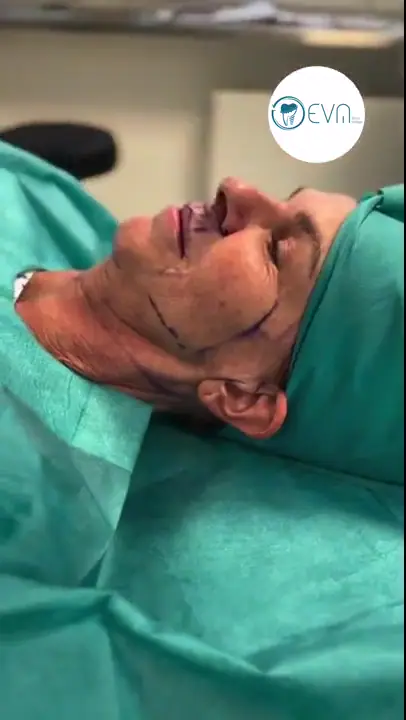
Gesichtslifting
Facelift vor der Reise verstehen
Ein Facelift ist ein individuell geplanter Eingriff zur Gesichtsverjüngung, bei dem tiefere Gewebe neu positioniert und ausgewählte Hautüberschüsse an Wangen, Kieferlinie und unterem Gesicht entfernt werden können.
Es ist kein standardisierter Eingriff, stoppt den Alterungsprozess nicht und kann kein bestimmtes Aussehen garantieren.
Eva Smile & Aesthetics hilft internationalen Patientinnen und Patienten, die Planung zu verstehen, Informationen für die Vorprüfung zusammenzustellen und definierte nichtklinische Schritte der Behandlung in Istanbul zu koordinieren.
Es ist kein standardisierter Eingriff, stoppt den Alterungsprozess nicht und kann kein bestimmtes Aussehen garantieren.
Eva Smile & Aesthetics hilft internationalen Patientinnen und Patienten, die Planung zu verstehen, Informationen für die Vorprüfung zusammenzustellen und definierte nichtklinische Schritte der Behandlung in Istanbul zu koordinieren.

Facelift Vorher & Nachher Videos
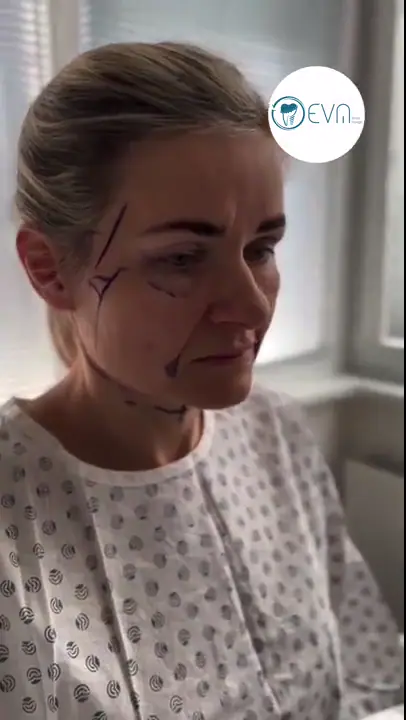
Gesichtslifting
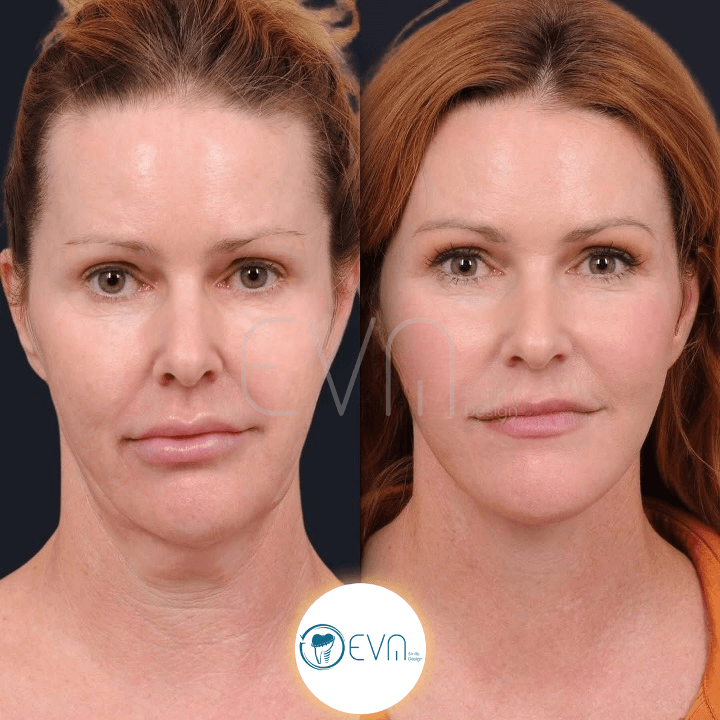
Arianas Facelift vorher und nachher
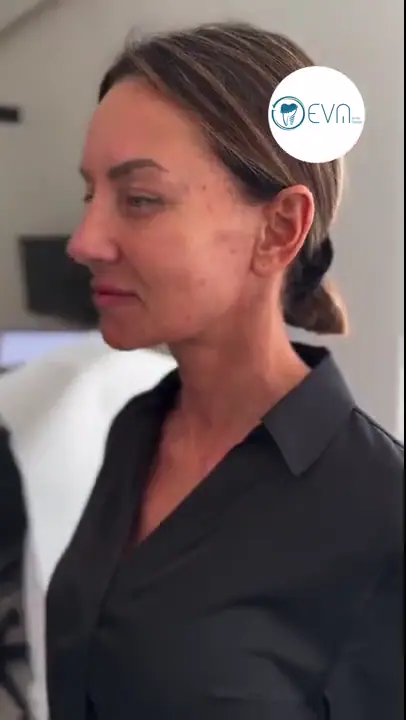
Gesichtslifting
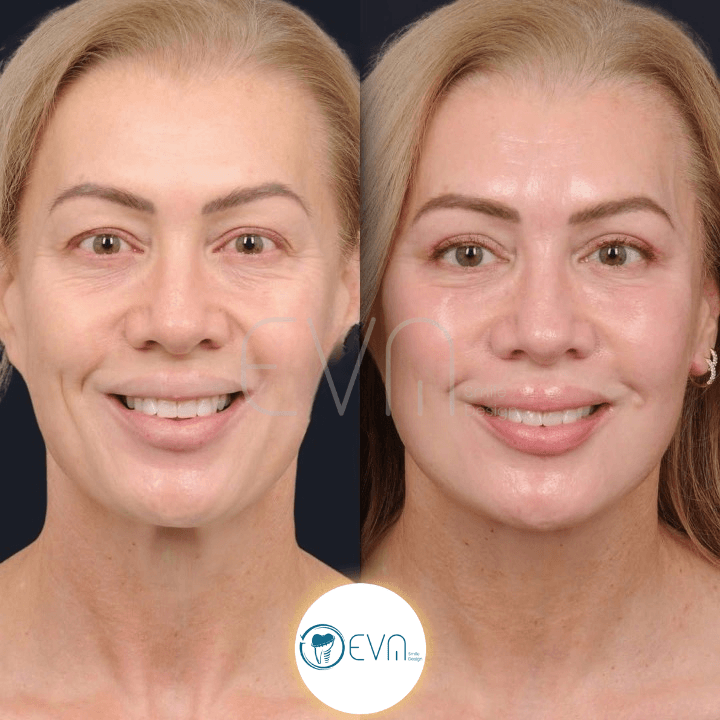
Carlies Facelift vorher und nachher

Gesichtslifting
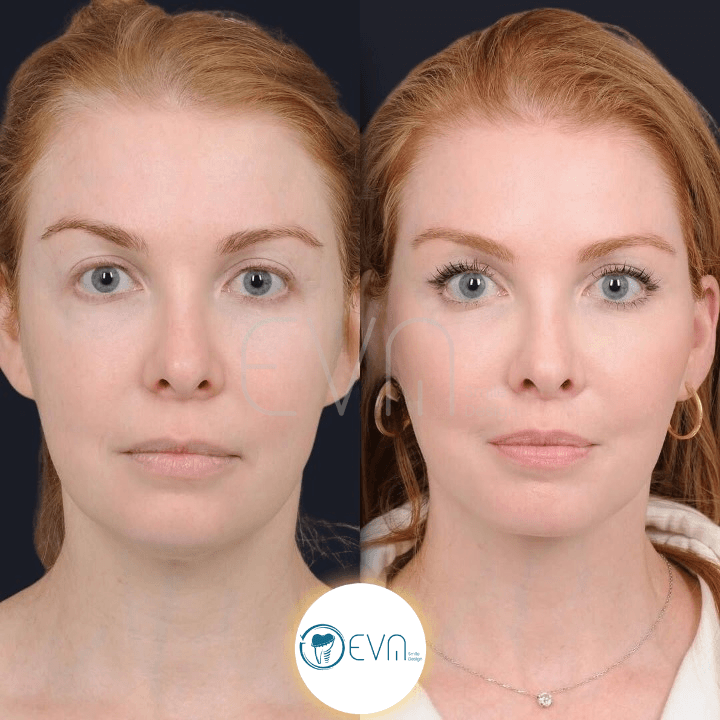
Esthers Facelift vorher und nachher
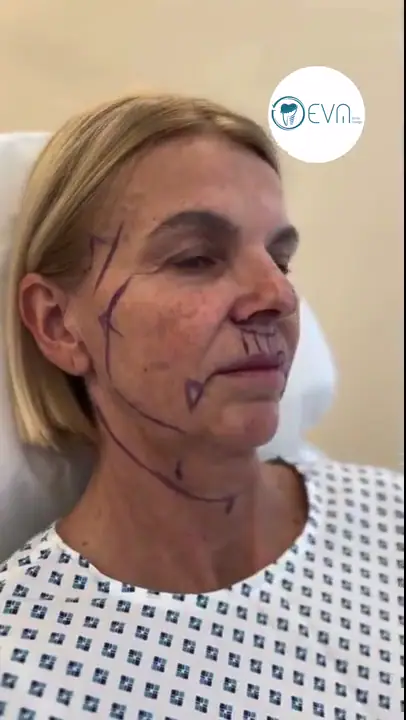
Gesichtslifting
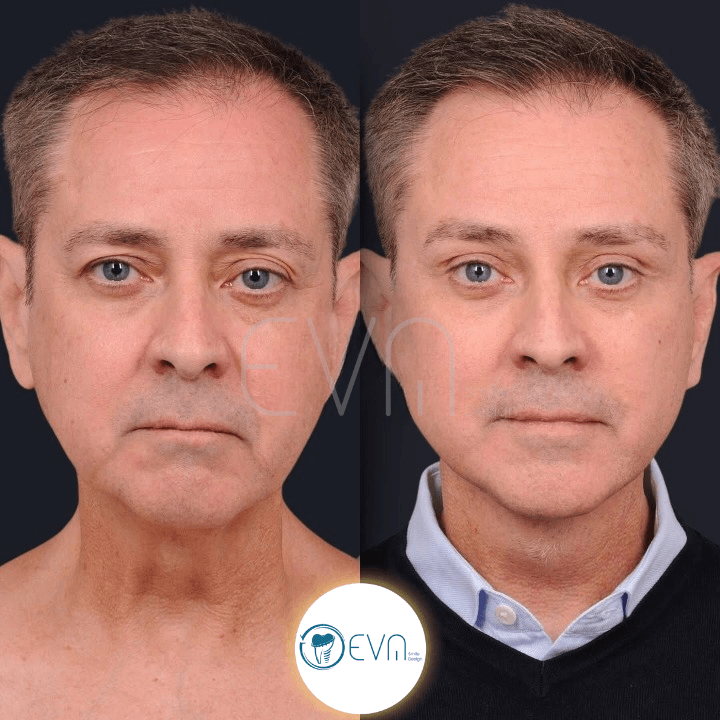
Fionas Facelift vorher und nachher
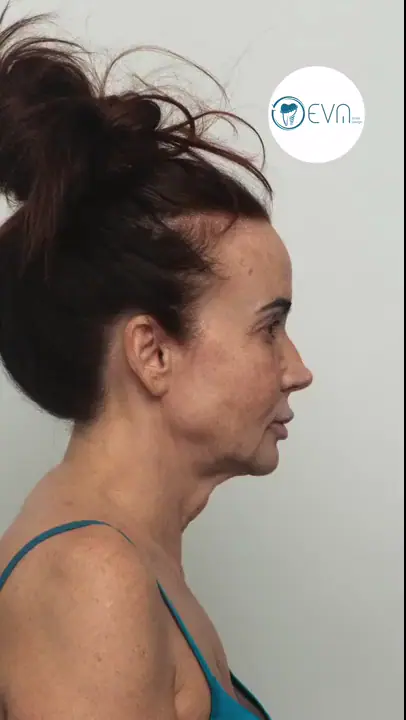
Gesichtslifting
Francescas Facelift vorher und nachher
WAS IST EINE FACELIFT-OPERATION?
Ein Facelift, medizinisch Rhytidektomie, soll ausgewählte altersbedingte Veränderungen im Gesicht behandeln.
Je nach individuellem Operationsplan kann es umfassen:
Neupositionierung tieferer Gesichtsgewebe
Straffung oder Stützung der darunterliegenden Gewebeschichten
Entfernung ausgewählter Hautüberschüsse
Verbesserung von Hängebäckchen
Verfeinerung der Kontur des unteren Gesichts
Verbesserung der Abgrenzung zwischen Kieferlinie und Hals
Behandlung ausgewählter Volumenverluste
Kombination mit einer Halsstraffung
Je nach individuellem Operationsplan kann es umfassen:
Neupositionierung tieferer Gesichtsgewebe
Straffung oder Stützung der darunterliegenden Gewebeschichten
Entfernung ausgewählter Hautüberschüsse
Verbesserung von Hängebäckchen
Verfeinerung der Kontur des unteren Gesichts
Verbesserung der Abgrenzung zwischen Kieferlinie und Hals
Behandlung ausgewählter Volumenverluste
Kombination mit einer Halsstraffung
Ein Facelift behandelt vor allem die mittleren und unteren Gesichtsbereiche. Stirn, Augenbrauen, Lider, Pigmentierung, oberflächliche Linien oder alle Zeichen der Gesichtsalterung werden nicht automatisch behandelt.
Der Eingriff erfolgt nicht bei jeder Person gleich. Die verantwortliche Chirurgin oder der verantwortliche Chirurg entscheidet, welche Schichten behandelt werden, wo Schnitte liegen und ob ein weiterer Eingriff sinnvoll ist.
Der Eingriff erfolgt nicht bei jeder Person gleich. Die verantwortliche Chirurgin oder der verantwortliche Chirurg entscheidet, welche Schichten behandelt werden, wo Schnitte liegen und ob ein weiterer Eingriff sinnvoll ist.
Behandlungsübersicht
Chirurgische Indikationen
Den klinischen Schwerpunkt Ihres Eingriffs verstehen.
Ästhetische & strukturelle Ziele
Neupositionierung des Gesichts
Ausgewählte tiefere Gewebe können unter Beachtung der individuellen Anatomie neu positioniert werden, um Veränderungen an Wangen, Kieferlinie und unterem Gesicht zu behandeln.
Haut & Kontur
Hautüberschüsse können angepasst werden, ohne einen standardisierten Straffungsgrad oder ein dauerhaftes Ergebnis zu versprechen.
Komplexität des Falls
Primäres Facelift
Ein erstes Facelift wird anhand unbehandelter Gewebeschichten, Gesichtsanatomie, Hautqualität und Ausmaß der Veränderungen geplant.
Sekundäres oder Revisions-Facelift
Frühere Operationen, Narben, veränderte Schichten und Blutversorgung können Beurteilung, Technik und Genesung komplexer machen.
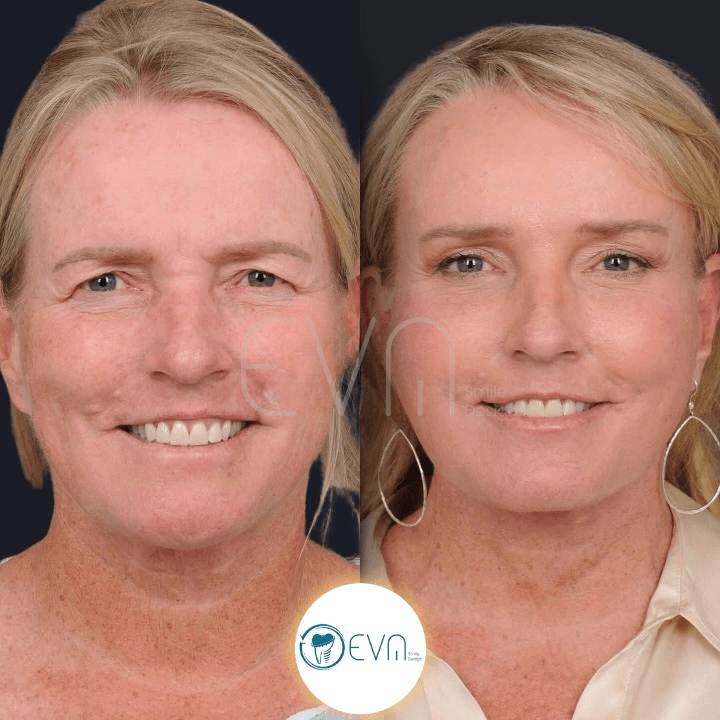
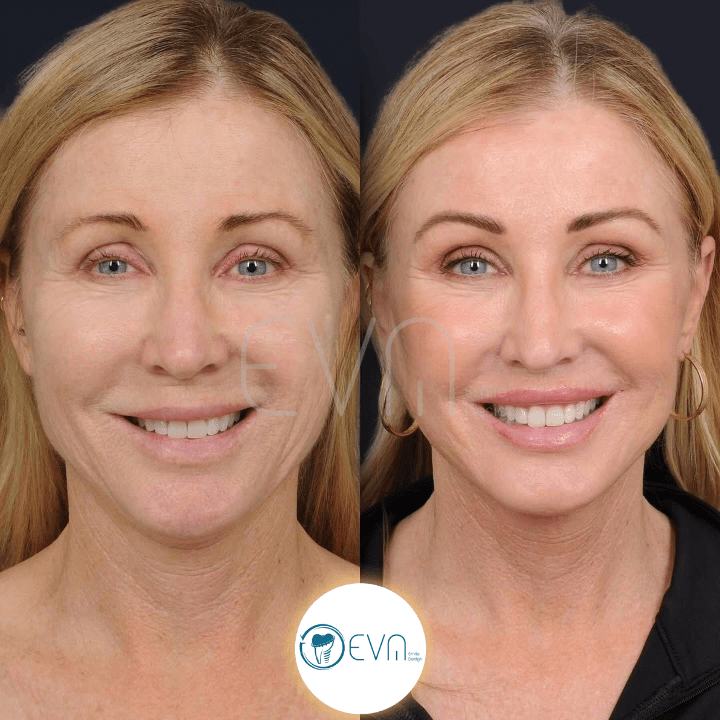
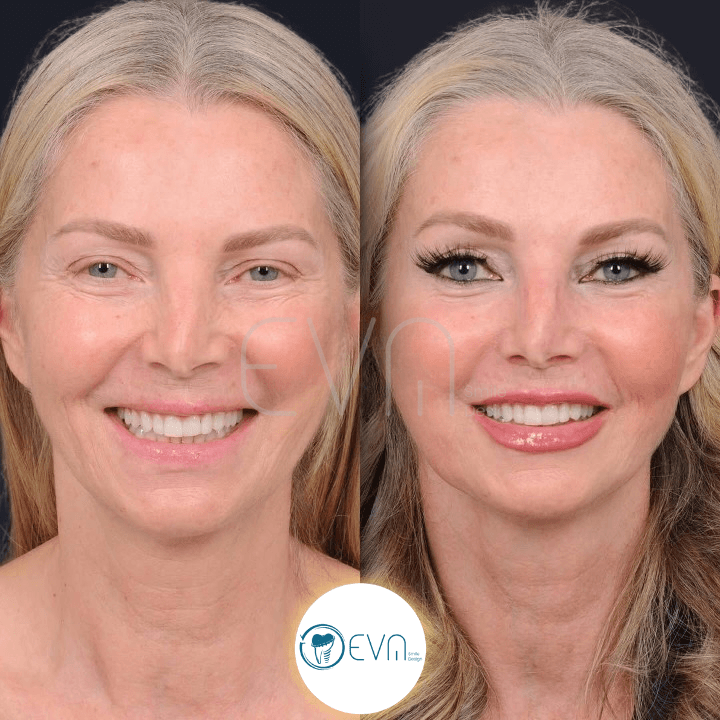
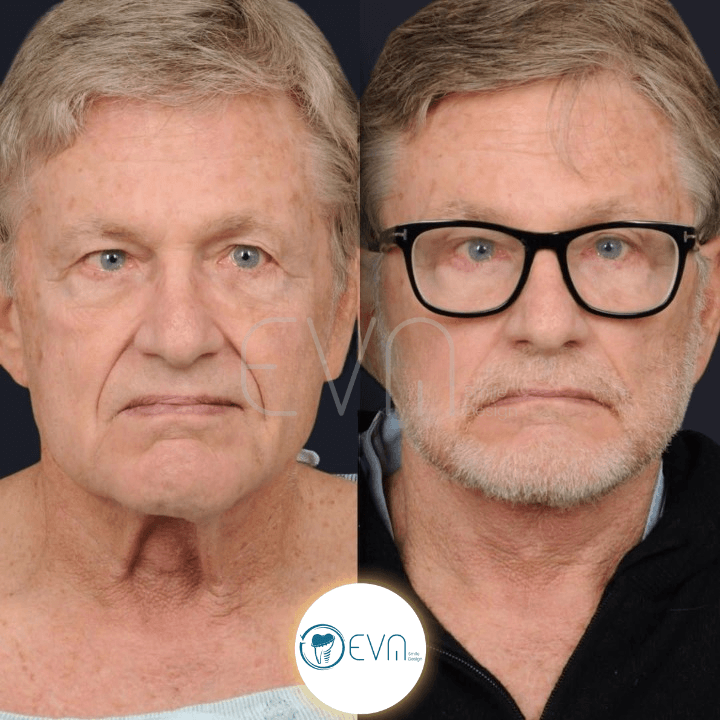
Vorher & Nachher
Facelift-Ergebnisse variieren je nach Anatomie, Hautqualität, Technik, Heilung und Zeit. Bilder unterstützen die Besprechung, garantieren aber kein individuelles Ergebnis.
So funktioniert die Behandlungsplanung
Eine Behandlung im Ausland beginnt mit der Erfassung von Informationen und einer vorläufigen Prüfung. Die endgültige Eignung, mögliche Risiken und der Behandlungsplan werden erst nach der Beurteilung durch die verantwortliche medizinische Fachperson bestätigt.
Kontaktieren Sie uns
Haben Sie eine Frage oder möchten Sie mehr über unsere Arbeit erfahren? Wir helfen Ihnen gerne.
WHAT CAN A FACELIFT AIM TO CHANGE?
Understanding the Clinical Focus of the Procedure
Depending on the individual assessment, facelift surgery may aim to address:
Sagging Around the Cheeks
Ageing, tissue changes and volume redistribution may cause the cheeks to appear lower or less defined.
Jowls
Relaxation of facial tissues may create fullness or sagging along the lower jawline.
Reduced Jawline Definition
A facelift may be planned to improve the transition between the lower face, jawline and neck.
Deep Facial Folds
The operation may soften selected folds between the nose, mouth and lower face, although it cannot guarantee their complete removal.
Lower-Face Laxity
Loose skin and deeper tissue changes may affect the overall contour of the lower face.
Neck Laxity
When combined with an appropriate neck-lift procedure, surgery may address selected loose skin, fat or muscle-related concerns affecting the neck.
A facelift may improve certain age-related changes, but it cannot reproduce a younger photograph, create perfect symmetry or guarantee that the patient will look a specific number of years younger.
WHAT A FACELIFT CANNOT DO
A facelift should not be presented as a treatment for every cosmetic facial concern.
Facelift surgery does not:
- Stop the ageing process
- Prevent future skin laxity
- Guarantee permanent results
- Guarantee perfect symmetry
- Guarantee a celebrity or computer-generated appearance
- Remove every wrinkle or facial line
- Reliably treat fine surface lines
- Directly treat sun damage
- Correct all pigmentation changes
- Improve every type of acne scar
- Replace good skin care
- Replace appropriate dermatological treatment
- Automatically lift the eyebrows
- Automatically correct upper or lower eyelid concerns
- Automatically improve lip shape
- Change the underlying bone structure of the face
- Guarantee satisfaction
- Eliminate the possibility of revision surgery
Authoritative patient information notes that facelift surgery may help with sagging in the cheeks, lower jawline and neck, but is not intended to correct fine lines, sun damage or skin-colour changes.
FACELIFT, NECK LIFT AND OTHER FACIAL PROCEDURES
Different facial procedures address different anatomical areas.
Facelift
A facelift generally focuses on selected tissues of the cheeks, jawline and lower face.
Neck Lift
A neck lift may address loose neck skin, fatty tissue beneath the chin or changes involving the platysma muscle.
Brow Lift
A brow lift focuses on the forehead and eyebrow position. It is not automatically included in a facelift.
Eyelid Surgery
Blepharoplasty addresses selected concerns involving the upper or lower eyelids. It does not replace a facelift.
Facial Fat Transfer
Fat transfer may be considered to restore volume in selected areas. It is a separate procedure with its own risks and limitations.
Skin-Resurfacing Procedures
Laser resurfacing, chemical peels or other skin treatments may focus on skin texture, pigmentation or superficial lines rather than deeper facial laxity.
Chin or Facial Implants
Implants may be used to alter selected aspects of facial structure or projection. They do not perform the same function as a facelift.
Patients should not assume that procedures described as “full facial rejuvenation” include every possible facial treatment. Each proposed procedure, treatment area, risk and cost should be listed separately in the written plan.
TYPES OF FACELIFT SURGERY
Terms used to describe facelift techniques are not always standardised. Two surgeons may use the same term for different operations or different terms for similar techniques.
The written treatment plan should explain the actual anatomical areas and tissue layers involved rather than relying only on a marketing name.
Traditional or Full Facelift
A traditional facelift may involve longer incisions around the ear and hairline and more extensive repositioning of facial tissues.
It may be considered when there is more significant laxity involving the cheeks, jawline or lower face.
“Full facelift” does not necessarily mean that the forehead, eyelids, lips and neck are all included.
Lower Facelift
A lower facelift generally focuses on the jawline, jowls and lower third of the face.
The exact scope varies. Patients should ask whether the neck, cheeks or areas around the mouth are included.
Mini Facelift
“Mini facelift” is a non-standardised term generally used for a less extensive operation with shorter incisions or more limited tissue treatment.
A mini facelift is not automatically:
- Safer
- Scar-free
- Suitable for younger patients
- Performed under local anaesthesia
- Associated with an easy recovery
- Able to achieve the same result as a more extensive operation
Its suitability depends on anatomy, the extent of tissue laxity and the surgeon’s assessment.
SMAS Facelift
SMAS refers to the superficial musculoaponeurotic system, a layer of tissue beneath the skin.
An SMAS facelift may involve lifting, repositioning, tightening or modifying this deeper layer rather than relying only on skin tension.
The exact SMAS technique may vary between surgeons.
Deep Plane Facelift
A deep plane facelift generally involves dissection and repositioning within deeper facial tissue planes.
The term is frequently used in online advertising, but it should not be interpreted as proof that a procedure is automatically superior, more natural, longer-lasting or appropriate for every patient.
Patients considering a deep plane facelift in Turkey should ask:
- What the surgeon means by “deep plane”
- Which tissue planes will be treated
- Which facial areas are included
- Why this technique is being recommended
- What relevant training and experience the surgeon has
- Where the incisions will be positioned
- What risks are specific to the technique
- Which alternatives are available
- How the proposed operation differs from an SMAS facelift
- Whether neck surgery is included
The selection of technique should be based on the individual anatomy, goals, previous procedures and surgeon’s judgement—not the popularity of a marketing term.
Short-Scar Facelift
A short-scar facelift may use a more limited incision pattern than some traditional techniques.
Shorter scars do not necessarily mean that the surgery is minor or that the recovery will be faster. A limited incision may also limit surgical access or the amount of correction that can be achieved.
Skin-Only Facelift
A skin-only facelift primarily relies on removal and redraping of skin without the same degree of deeper-tissue repositioning.
Patients should ask why this approach is being proposed and whether it is likely to address the underlying concern.
Face and Neck Lift
A combined face and neck lift may address the lower face, jawline and neck in one surgical plan.
The surgeon should specify:
- Which facial areas are included
- Whether neck skin is treated
- Whether fat removal is planned
- Whether the platysma muscle will be treated
- Whether an incision beneath the chin is required
- Whether liposuction is included
- Whether any additional procedures are proposed
WHAT IS A NECK LIFT?
A neck lift is a surgical procedure intended to address selected age-related or anatomical changes beneath the chin and around the neck.
Depending on the patient, it may involve:
- Removal of selected excess skin
- Repositioning or tightening of neck tissues
- Treatment of the platysma muscle
- Removal of selected fatty tissue
- Liposuction beneath the chin
- An incision beneath the chin
- Incisions around or behind the ears
A neck lift may be performed alone or together with facelift surgery.
Liposuction alone may not correct significant loose skin or muscle-related neck bands. Similarly, a facelift alone may not fully address every neck concern.
FACELIFT INCISIONS AND SCARS
Facelift surgery requires incisions and therefore produces scars.
Depending on the technique, incisions may be positioned:
- Within the hairline
- In front of the ear
- Around the natural contours of the ear
- Behind the ear
- Into the lower scalp
- Beneath the chin when neck treatment is included
The length and position of the scars depend on:
- The selected technique
- The areas being treated
- Hairline position
- Ear anatomy
- Previous surgery
- Skin quality
- The amount of excess skin
- Healing characteristics
- Whether neck surgery is included
Facelift scars are usually planned around natural contours and hair-bearing areas, but they do not disappear completely.
Possible scar-related concerns include:
- Visible scars
- Widened scars
- Raised scars
- Pigmentation changes
- Asymmetrical scars
- Hairline changes
- Temporary or permanent hair loss near incisions
- Distortion around the ear
- Need for scar treatment or revision
Mayo Clinic patient information notes that facelift scars are permanent but are often positioned around the hairline and the natural shape of the ears.
WHO MAY CONSIDER FACELIFT SURGERY?
A person may request a facelift assessment when they have persistent concerns involving facial laxity, jowls, reduced jawline definition or ageing-related changes in the lower face or neck.
Factors considered during assessment may include:
- The patient’s goals
- The area causing concern
- Facial and neck anatomy
- Skin quality
- Skin elasticity
- Degree of tissue laxity
- Facial volume distribution
- Bone structure
- Hairline
- Ear anatomy
- Previous facial surgery
- Previous facial fillers
- Threads or injectable treatments
- Previous energy-based procedures
- Previous facial trauma
- Scarring history
- General health
- Cardiovascular health
- Blood pressure
- Diabetes
- Bleeding or clotting disorders
- History of blood clots
- Medication and supplements
- Allergies
- Smoking, vaping or nicotine use
- Previous anaesthesia
- Healing history
- Weight stability
- Psychological readiness
- Ability to follow recovery instructions
- Availability of aftercare
- Travel plans
- Realistic expectations
These are general assessment considerations rather than a suitability checklist.
Only the responsible surgeon, anaesthesia professional and authorised healthcare facility can determine whether surgery may proceed.
IS THERE A BEST AGE FOR A FACELIFT?
There is no single correct age for facelift surgery.
Suitability is not determined by age alone. Assessment should consider:
- The type and extent of facial ageing
- Skin and tissue characteristics
- General health
- Medical risks
- Previous treatment
- Individual goals
- Expectations
- Ability to recover safely
A younger patient is not automatically suitable for a mini facelift, and an older patient is not automatically unsuitable for surgery.
The operation should be considered because of individual anatomy and appropriate goals rather than pressure to reach a certain age-related appearance.
WHY FACELIFT SURGERY MAY NOT PROCEED
A surgeon may postpone, modify or decline a proposed facelift when:
- The requested result is not surgically realistic
- Surgery is unlikely to address the primary concern
- The expected benefit does not justify the risk
- Relevant medical information has not been provided
- A medical condition requires investigation or management
- Blood pressure is not appropriately controlled
- Diabetes or another condition creates additional healing concerns
- There is an increased bleeding or clotting risk
- Medication or supplements require professional review
- There is an active infection
- Smoking or nicotine use creates unacceptable concerns
- The patient has recently undergone another facial procedure
- Previous filler, thread or energy-based treatment requires further investigation
- Weight is changing significantly
- The patient cannot follow recovery instructions
- Suitable aftercare is not available
- Psychological readiness is uncertain
- Expectations cannot be aligned with an achievable outcome
- The proposed combination of procedures creates excessive risk
- The healthcare facility or anaesthesia arrangement is unsuitable
- Another treatment or no treatment is considered more appropriate
Smoking can significantly increase concerns involving wound healing, haematoma and skin loss after facelift surgery. Certain medical conditions and medicines may also increase surgical risk. velling to Istanbul does not create an obligation for a surgeon or healthcare facility to perform the operation.
FACELIFT ASSESSMENT
A facelift consultation may include discussion of:
- Which facial changes concern the patient
- Which areas the patient expects surgery to address
- Desired and unrealistic outcomes
- Medical history
- Surgical history
- Medication and supplements
- Allergies
- Smoking and nicotine use
- Alcohol use
- Previous anaesthesia
- Previous facial surgery
- Previous facelift or neck lift
- Facial fillers
- Threads
- Botulinum-toxin treatment
- Laser or ultrasound-based procedures
- Facial trauma
- Skin treatments
- Weight changes
- Blood pressure
- Diabetes
- Bleeding and clotting history
- Facial anatomy
- Skin quality
- Tissue laxity
- Facial volume
- Jawline and neck anatomy
- Hairline and ear position
- Scar placement
- Possible techniques
- Anaesthesia options
- Benefits and limitations
- Risks and complications
- Recovery requirements
- Travel and fitness to fly
- Follow-up arrangements
- Alternatives to surgery
The surgeon may examine the patient while sitting and lying down and may gently reposition facial tissues to evaluate the possible effect of surgery.
Photographs may support preliminary communication, but they cannot establish tissue quality, facial movement, blood supply, deeper anatomy or final suitability.
WHAT INFORMATION MAY BE REQUESTED?
For preliminary review, the patient may be asked to provide:
- Age
- Height and weight
- Recent weight changes
- Facial areas of concern
- Relevant photographs
- Medical conditions
- Previous operations
- Previous facelift or neck-lift details
- Previous facial procedures
- Filler history
- Thread-lift history
- Energy-based treatment history
- Medication
- Supplements
- Allergies
- Smoking, vaping or nicotine status
- Alcohol use
- Blood-pressure history
- Diabetes history
- Bleeding or clotting history
- Previous anaesthesia problems
- Healing and scarring history
- Preferred travel dates
- Available recovery time
Photographs may be requested from:
- The front
- Both sides
- Three-quarter angles
- The face and neck in a neutral position
- The neck from selected angles
All information should be accurate and current. Missing information may affect the preliminary discussion, quotation and safety of the proposed pathway.
FACIAL FILLERS, THREADS AND PREVIOUS NON-SURGICAL TREATMENTS
Patients should disclose all previous facial procedures, including treatments they do not consider to be surgery.
Relevant treatments may include:
- Hyaluronic-acid fillers
- Permanent or semi-permanent fillers
- Fat transfer
- Thread lifts
- Botulinum-toxin injections
- Radiofrequency treatments
- Ultrasound treatments
- Laser resurfacing
- Chemical peels
- Previous scar treatments
The surgeon may need to know:
- Product or device used
- Treatment area
- Approximate quantity
- Date of treatment
- Number of sessions
- Whether complications occurred
- Whether any product remains
- Whether records are available
Previous treatment can affect anatomy, scar tissue, tissue movement, blood supply, surgical planning and recovery.
The absence of treatment records may limit the surgeon’s ability to evaluate the case remotely.
WHAT HAPPENS DURING FACELIFT SURGERY?
The exact operation differs according to the patient and technique.
A facelift pathway may include:
- Admission and identity checks
- Review of medical information
- Confirmation of the agreed procedure
- Review of the areas to be treated
- Pre-operative photographs
- Surgical markings
- Anaesthesia assessment
- Confirmation of informed consent
- Administration of anaesthesia or sedation
- Creation of the planned incisions
- Surgical access to the selected tissue layers
- Repositioning or supporting deeper facial tissues
- Neck treatment where included
- Removal or redistribution of selected fatty tissue where planned
- Redraping of the skin without inappropriate tension
- Removal of selected excess skin
- Closure of the incisions
- Placement of drains where required
- Application of dressings or a supportive garment
- Recovery monitoring
- Discharge or overnight observation when considered appropriate
The operation may differ from the preliminary description if the physical examination identifies findings that could not be confirmed remotely.
ANAESTHESIA FOR FACELIFT SURGERY
Facelift surgery may be performed using:
- Local anaesthesia with sedation
- Intravenous sedation
- General anaesthesia
The appropriate method depends on:
- The extent of the operation
- Whether neck surgery is included
- The number of procedures being combined
- Expected procedure duration
- The patient’s health
- Medication
- Previous anaesthesia
- The surgeon’s plan
- The anaesthetist’s assessment
- The healthcare facility
General anaesthesia is not automatically required for every facelift, while local anaesthesia does not automatically make an operation minor or risk-free.
The anaesthesia decision should be made by the responsible professionals after appropriate assessment.
COMBINING FACELIFT WITH OTHER PROCEDURES
A facelift may sometimes be combined with:
- Neck lift
- Eyelid surgery
- Brow lift
- Facial fat transfer
- Chin liposuction
- Lip lift
- Facial implants
- Skin-resurfacing procedures
- Other selected treatments
Combining procedures may increase:
- Operation duration
- Anaesthesia exposure
- Swelling
- Bruising
- Recovery demands
- Wound-care requirements
- Blood-clot risk
- Need for monitoring
- Possibility of complications
Each additional procedure should have a clear indication, separate consent discussion and written cost.
The convenience of completing several procedures during one trip should not take priority over patient safety.
RISKS AND POSSIBLE COMPLICATIONS OF FACELIFT SURGERY
Facelift surgery is not risk-free.
Possible risks and complications may include:
- Anaesthesia-related complications
- Bleeding
- Haematoma
- Infection
- Pain
- Persistent pain
- Swelling
- Prolonged swelling
- Bruising
- Fluid accumulation
- Seroma
- Poor wound healing
- Wound separation
- Skin injury
- Skin loss
- Visible scars
- Raised or widened scars
- Facial asymmetry
- Unsatisfactory appearance
- Contour irregularity
- Changes in skin sensation
- Temporary numbness
- Persistent numbness
- Tingling
- Tightness
- Facial-nerve injury
- Temporary facial weakness
- Persistent facial weakness
- Difficulty moving part of the face
- Ear or earlobe distortion
- Hairline changes
- Temporary hair loss
- Permanent hair loss around incisions
- Pigmentation changes
- Injury to deeper structures
- Salivary-gland or salivary-duct concerns
- Blood clots
- Deep-vein thrombosis
- Pulmonary complications
- Cardiac complications
- Need for urgent treatment
- Need for scar treatment
- Need for revision surgery
- Rare life-threatening complications
Professional patient guidance lists bleeding, anaesthesia risks, fluid accumulation, infection, facial-nerve injury, sensation changes, poor healing, skin loss, prolonged swelling and hair loss among recognised facelift risks. likelihood and significance of each risk depend on the patient, operation, surgeon, anaesthesia, facility, previous procedures and aftercare arrangements.
The responsible surgeon must explain the risks most relevant to the individual patient before consent.
HAEMATOMA AFTER FACELIFT SURGERY
A haematoma is a collection of blood beneath the skin.
It may cause:
- Increasing swelling
- Tightness
- Pain
- Pressure
- Bruising
- Facial asymmetry
- Skin-colour changes
A haematoma can require urgent assessment and, in some cases, additional surgery.
Mayo Clinic describes haematoma as the most common facelift complication and notes that it frequently develops within the early postoperative period. ients should receive clear instructions explaining which symptoms require immediate contact with the surgical team.
FACIAL-NERVE INJURY
Facial nerves control sensation and movement in different areas of the face.
Facelift surgery can involve a risk of temporary or persistent nerve-related changes, including:
- Numbness
- Tingling
- Weakness
- Difficulty moving part of the face
- Changes in facial expression
- Asymmetry
Some changes may improve during recovery, while others may be longer lasting.
The responsible surgeon should explain the nerve-related risks associated with the proposed technique and treatment area.
FACELIFT RECOVERY
Recovery after facelift surgery is gradual and differs between patients.
The First Hours
The patient is monitored following surgery and anaesthesia.
Dressings may be placed around the face and neck. Small drains may sometimes be used to remove blood or fluid. Professional recovery guidance notes that bandages and drainage tubes may be used after facelift surgery. charge depends on:
- The procedure performed
- Anaesthesia
- Recovery progress
- Bleeding
- Swelling
- General condition
- The surgeon’s assessment
- The healthcare facility’s policy
Some patients may require overnight observation.
The First Days
Patients may experience:
- Swelling
- Bruising
- Tightness
- Mild or moderate discomfort
- Numbness
- Tingling
- Tiredness
- Difficulty turning the head
- Temporary facial asymmetry caused by swelling
- Fluid drainage from incisions or drains
- Difficulty finding a comfortable sleeping position
The head may need to remain elevated as directed by the treating team.
The patient should not independently remove dressings, change medication or apply products to the incisions unless instructed.
The First Two Weeks
Swelling and bruising may remain visible. The face may feel tight, firm or unfamiliar.
Stitches, clips, drains or dressings may be reviewed or removed according to the individual plan.
Patients may be advised to avoid:
- Strenuous exercise
- Heavy lifting
- Bending
- Pressure on the face
- Smoking and nicotine
- Alcohol
- Sun exposure
- Saunas
- Steam rooms
- Swimming
- Facial massage
- Cosmetic treatments
- Hair colouring near healing incisions
- Tight clothing that must be pulled over the head
Weeks Two to Four
Some patients may feel able to resume selected social or work activities as swelling and bruising improve.
However, the face may still have:
- Residual swelling
- Tightness
- Numbness
- Firm areas
- Visible scars
- Uneven healing
- Changes in sensation
NHS patient guidance states that general facelift recovery may take approximately two to four weeks, with bruising commonly visible for at least two weeks. These are general estimates and not promises for an individual patient. The Following Months
Swelling, scar maturation, sensation changes and tissue settling may continue for several months.
The final result should not be assessed during early recovery. NHS information notes that the full effect may take approximately six to nine months to become apparent. ividual recovery may be shorter or longer depending on:
- Procedure extent
- Technique
- Combined procedures
- Health
- Skin quality
- Smoking and nicotine exposure
- Previous surgery
- Healing
- Complications
- Adherence to instructions
The treating team’s personalised instructions take priority over general website timelines.
DRAINS, DRESSINGS AND SUPPORT GARMENTS
After facelift or neck-lift surgery, the surgeon may use:
- Facial dressings
- Head or neck bandages
- Compression garments
- Small drainage tubes
- Ointment
- Wound dressings
Patients should receive instructions explaining:
- What has been placed
- Why it has been used
- How to protect it
- Whether it may be removed
- When it will be reviewed
- Who will remove it
- How to care for drain sites
- Which amount of drainage may be expected
- Which symptoms require urgent contact
Compression should not be altered or increased without professional advice.
WARNING SIGNS AND URGENT CONCERNS
Before discharge, the healthcare facility should provide written contact details and explain which symptoms require urgent assessment.
Seek urgent professional advice when instructed or when experiencing unexpected or worsening concerns such as:
- Rapidly increasing facial or neck swelling
- Sudden swelling on one side
- Severe or increasing pain
- Significant or persistent bleeding
- Increasing tightness or pressure
- Difficulty breathing
- Difficulty swallowing
- Increasing redness or heat
- Foul-smelling or unusual discharge
- Fever
- Wound separation
- Marked skin-colour changes
- Darkening, blistering or signs of skin injury
- New or worsening facial weakness
- Sudden significant asymmetry
- Fainting
- Confusion
- Chest pain
- Shortness of breath
- Coughing blood
- New calf pain or swelling
- Any symptom identified as urgent by the treating team
This list is not exhaustive and is not a diagnostic tool.
For an emergency, patients should seek appropriate local emergency care rather than waiting for a response from Eva Smile & Aesthetics.
IS FACELIFT SURGERY IN TURKEY A HOLIDAY?
Facelift surgery in Turkey should not be treated as an ordinary holiday package.
The visit may involve:
- In-person consultation
- Medical testing
- Anaesthesia assessment
- Surgery
- Recovery
- Dressings
- Drains
- Wound care
- Restrictions on activity
- Follow-up appointments
- Changes to travel plans
Immediately after surgery, activities such as sightseeing, swimming, sun exposure, alcohol consumption, spa visits, long excursions and physically demanding activities may be inappropriate.
The treatment and recovery plan—not tourism activities—should determine the patient’s schedule in Istanbul.
NHS guidance advises patients to plan carefully when travelling for cosmetic surgery and not to treat recovery as a normal holiday.
FLYING HOME AFTER FACELIFT SURGERY
The appropriate time to fly home cannot be determined from a general webpage or guaranteed before surgery.
The decision may depend on:
- Procedure type
- Extent of surgery
- Whether neck surgery was included
- Anaesthesia
- Operation duration
- Swelling
- Bleeding
- Mobility
- Blood-clot risk
- Medical conditions
- Complications
- Follow-up appointments
- Drain or stitch removal
- Flight duration
- Surgeon’s instructions
- Airline requirements
- Travel-insurance conditions
NHS overseas-surgery guidance provides a general recommendation of waiting approximately seven to ten days before flying after facial cosmetic procedures. This is a broad reference only and does not constitute individual fitness-to-fly approval. ients should:
- Ask the surgeon for individual advice
- Avoid booking an inflexible return flight
- Understand what happens if the stay must be extended
- Check whether insurance covers surgery-related changes
- Understand where emergency care can be obtained
- Keep relevant medical records available
LOCAL FOLLOW-UP AFTER RETURNING HOME
Before undergoing facelift surgery in Istanbul, international patients should understand how follow-up will work after leaving Türkiye.
Questions to clarify include:
- Which examinations take place before departure?
- Who will review the incisions?
- Who will remove stitches, clips or drains?
- Are the stitches dissolvable?
- Can routine follow-up be performed remotely?
- Which symptoms require in-person assessment?
- Is a suitable professional available in the home country?
- How will medical records be shared?
- Who pays for local consultations or tests?
- What happens if wound care is required?
- What happens if a haematoma or fluid collection develops?
- What happens if infection is suspected?
- What happens if facial weakness develops?
- What happens if revision surgery is discussed?
- Under which circumstances might a return to Istanbul be required?
- Which expenses are included or excluded?
Eva may help coordinate communication within its confirmed non-clinical scope.
Medical assessment and treatment after returning home must be provided by an appropriate independent healthcare professional.
FACELIFT COST IN TURKEY
There is no single reliable price for facelift surgery in Turkey because the operation and related arrangements differ between patients.
The cost may be influenced by:
- Mini, lower or full facelift
- SMAS or deep-plane technique
- Primary or revision surgery
- Neck-lift surgery
- Treatment of the platysma muscle
- Chin or neck liposuction
- Facial fat transfer
- Eyelid surgery
- Brow lift
- Other combined procedures
- Surgical complexity
- Procedure duration
- Type of anaesthesia
- Healthcare facility
- Surgeon fees
- Anaesthesia fees
- Tests
- Medication
- Dressings
- Compression garments
- Overnight observation
- Length of stay
- Follow-up
- Transfers
- Accommodation
- Additional treatment
- Management of complications
- Revision arrangements
A written quotation should explain:
- The exact proposed procedure
- Which facial areas are included
- Whether the neck is included
- Which surgical technique is proposed
- Which additional procedures are included
- Facility charges
- Surgeon fees
- Anaesthesia fees
- Tests
- Medication
- Dressings and garments
- Overnight-stay arrangements
- Follow-up arrangements
- Known inclusions
- Known exclusions
- Payment stages
- Deposit conditions
- Cancellation terms
- Circumstances that may change the price
- Whether accommodation and transfers are separate
- Whether local aftercare is included
- Whether complication management is included
- Whether revision treatment is included
- What happens if surgery does not proceed
A low advertised facelift price should not replace proper assessment, surgeon verification, facility verification, risk discussion or a written surgical plan.
WHY THE FACELIFT PLAN MAY CHANGE IN ISTANBUL
A preliminary proposal may change after the surgeon examines the patient in person.
Possible reasons include:
- Different tissue laxity than photographs suggested
- Skin quality
- Facial asymmetry
- Facial volume distribution
- Neck anatomy
- Muscle-related neck concerns
- Hairline position
- Ear anatomy
- Scar tissue
- Previous surgery
- Previous facelift
- Previous fillers
- Previous thread lift
- Previous energy-based treatment
- New medical information
- Blood-pressure findings
- Test results
- Anaesthesia findings
- Smoking or nicotine exposure
- Medication concerns
- Safety concerns about combined procedures
- Differences between the requested and achievable result
Possible outcomes include:
- Proceeding with the preliminary plan
- Modifying the incision pattern
- Changing the surgical technique
- Treating fewer areas
- Adding or removing neck surgery
- Removing a combined procedure
- Requesting additional tests
- Delaying surgery
- Recommending another treatment
- Deciding not to operate
Patients should understand this possibility before making non-refundable financial or travel commitments.
PRIMARY AND REVISION FACELIFT SURGERY
Primary Facelift
Primary facelift refers to an initial facelift operation in a patient who has not previously undergone facelift surgery.
Revision Facelift
Revision facelift refers to further surgery after a previous facelift, neck lift or related facial procedure.
Revision cases may involve:
- Scar tissue
- Altered tissue planes
- Changes in blood supply
- Hairline changes
- Ear distortion
- Visible scars
- Facial asymmetry
- Residual laxity
- Recurrent laxity
- Over-tightening
- Volume loss
- Nerve-related concerns
- Previous implants
- Previous fat transfer
- Previous fillers or threads
Revision facelift surgery may be more complex and cannot guarantee complete correction.
Patients seeking revision assessment may be asked to provide:
- Previous operation dates
- Operative reports
- Previous photographs
- Surgeon information
- Details of the technique used
- Implant or product information
- Anaesthesia records
- Complication history
- Revision history
- Details of fillers, threads or other treatments
- Current symptoms
- Information about healing
MALE FACELIFT SURGERY
Facelift principles apply to all patients, but male facial anatomy and aesthetic goals may require specific planning.
Assessment may consider:
- Beard-bearing skin
- Hairline
- Sideburn position
- Skin thickness
- Scar placement
- Ear anatomy
- Jawline
- Neck anatomy
- Risk of visible hairline changes
- Individual preferences regarding facial shape
A male facelift should not be approached simply by applying a standard female incision or aesthetic plan.
The surgeon should explain how the proposed operation may affect beard growth, sideburn position, scars and the natural facial character.
HOW LONG DO FACELIFT RESULTS LAST?
Facelift surgery does not stop ageing.
The tissues will continue to change over time due to:
- Natural ageing
- Skin quality
- Genetics
- Sun exposure
- Smoking
- Weight changes
- Health
- Lifestyle
- The original anatomy
- Surgical technique
A facelift may create a meaningful change, but no responsible provider can guarantee a specific number of years for which an individual result will remain unchanged.
Patients may continue to look different from how they would have looked without surgery, but future ageing and additional treatment needs cannot be predicted precisely.
YOUR FACELIFT COORDINATION PATHWAY
Step 1 — Share Your Enquiry
Tell Eva which facial or neck areas concern you and why you are researching facelift surgery in Istanbul.
Step 2 — Provide the Requested Information
You may be asked for photographs, medical history, medication, previous procedure details and information about smoking or nicotine use.
Step 3 — Preliminary Information Review
The submitted information may be organised and shared with an appropriate healthcare professional or authorised healthcare facility where arranged.
Step 4 — Receive Preliminary Information
You may receive an initial indication of possible options, expected next steps and estimated costs.
This is not a final diagnosis, suitability decision or surgical plan.
Step 5 — Verify the Providers
Review:
- Surgeon’s full name
- Specialty
- Professional registration
- Relevant facelift experience
- Healthcare facility
- Anaesthesia arrangements
- Proposed technique
- Follow-up pathway
Step 6 — Review the Written Quotation
Confirm:
- Exact operation
- Areas included
- Technique
- Neck treatment
- Combined procedures
- Inclusions
- Exclusions
- Payment terms
- Cancellation conditions
- Circumstances that may change the cost
Step 7 — Plan Travel Responsibly
Allow sufficient time for:
- Consultation
- Testing
- Surgery
- Recovery
- Follow-up
- Possible travel changes
Do not treat the visit as a standard holiday.
Step 8 — Attend the Individual Assessment
The responsible surgeon examines the patient and determines whether the operation may proceed.
Step 9 — Treatment and Discharge
Surgery proceeds only after approval by the responsible professionals and healthcare facility.
Step 10 — Follow-Up and Return Home
Follow the treating team’s instructions and understand the arrangements for local care after leaving Istanbul.
FREQUENTLY ASKED QUESTIONS ABOUT FACELIFT SURGERY IN TURKEY
What is a facelift?
A facelift, also called rhytidectomy, is a surgical procedure intended to reposition selected facial tissues and remove excess skin to address ageing-related changes in the cheeks, jawline and lower face.
What is the difference between a facelift and a neck lift?
A facelift generally focuses on the cheeks, jawline and lower face. A neck lift focuses on selected concerns beneath the chin and around the neck. They may be performed separately or together.
Is a facelift the same for every patient?
No. The incision pattern, tissue layers, technique and treatment areas must be planned according to the individual patient.
What is a deep plane facelift?
A deep plane facelift is a technique involving deeper facial tissue planes. The exact meaning and method may vary between surgeons, so patients should ask what will actually be performed.
Is a deep plane facelift better than an SMAS facelift?
Not automatically. The appropriate approach depends on facial anatomy, previous procedures, goals, risk factors and the surgeon’s experience.
What is an SMAS facelift?
An SMAS facelift involves treatment of the superficial musculoaponeurotic system, a deeper tissue layer beneath the skin.
What is a mini facelift?
Mini facelift is a non-standardised term generally used for a more limited facelift procedure. It is not automatically safer, scar-free or suitable for every patient.
Can a mini facelift treat significant neck laxity?
A limited procedure may not adequately address significant neck skin, muscle bands or extensive jowls. An individual assessment is required.
Does a facelift include a neck lift?
Not always. The written surgical plan should state clearly whether neck treatment is included.
Does a facelift include eyelid surgery?
No. Eyelid surgery is a separate procedure unless it is specifically listed in the treatment plan.
Does a facelift lift the eyebrows?
Not necessarily. Brow position is generally addressed with a brow-lift procedure.
Can a facelift remove all wrinkles?
No. A facelift does not remove every wrinkle and is not primarily intended to treat fine surface lines, pigmentation or sun damage.
Can a facelift change my facial structure?
A facelift primarily repositions soft tissues and skin. It does not automatically change the underlying facial bones.
Can a facelift make me look a specific number of years younger?
No responsible surgeon can guarantee that a patient will look a specific number of years younger.
Is there a best age for facelift surgery?
No. Suitability depends on anatomy, health, tissue changes, goals and expectations—not age alone.
Will I have visible scars?
Facelift surgery produces permanent scars. Surgeons generally position incisions around natural contours, ears and hair-bearing areas, but scar visibility and healing vary.
Can facelift scars disappear completely?
No. Surgical scars may fade and mature, but they do not disappear entirely.
Will my hairline change?
Hairline or sideburn changes can occur depending on incision position, tissue movement and healing. This should be discussed before surgery.
Is facelift surgery painful?
Pain and discomfort vary. Patients may experience tightness, soreness, pressure, numbness and swelling. The procedure should not be promoted as pain-free.
Will I need drains?
Drains may be used after some facelift or neck-lift procedures. Their use depends on the operation and surgeon’s plan.
Will I need to stay overnight?
Some patients may be discharged on the same day, while others may require overnight observation. The decision depends on the procedure, anaesthesia and recovery.
How long does facelift surgery take?
Procedure time varies according to the surgical technique, neck treatment, revision status and combined procedures. A generic duration cannot guarantee an individual operating time.
How long is facelift recovery?
General visible recovery may take several weeks. Swelling, numbness, tightness and scar maturation may continue for months.
When can I return to work?
The timing depends on the type of work, visible bruising, swelling, discomfort and the treating team’s advice. General guidance should not replace individual instructions.
When will I see the final facelift result?
The face should not be judged during early swelling. Tissue settling and scar maturation may continue for several months.
How long do facelift results last?
A facelift does not stop ageing. The result changes over time according to anatomy, skin quality, lifestyle, weight changes and the natural ageing process.
Can facelift results be guaranteed?
No. Surgery cannot guarantee perfect symmetry, a specific appearance, freedom from complications or permanent satisfaction.
Could I need revision facelift surgery?
Yes. Further treatment may sometimes be considered because of healing, scars, asymmetry, recurrent laxity, complications or dissatisfaction.
Can I have a facelift after fillers?
Possibly, but the surgeon needs accurate information about the product, amount, location and treatment date. Previous filler may affect planning.
Can I have a facelift after a thread lift?
Possibly, but thread lifts may create scar tissue or alter anatomy. The surgeon should be informed of all previous thread treatments.
Can facelift surgery be combined with eyelid surgery?
It may be considered for some patients, but combining procedures changes the operation, risks and recovery requirements.
Can facelift surgery be combined with fat transfer?
It may be considered when facial volume restoration is part of the plan. Fat transfer is a separate procedure with additional risks and limitations.
Can Eva decide whether I am suitable?
No. Eva coordinates defined non-clinical stages. Only the responsible surgeon and relevant healthcare professionals can determine suitability.
Can photographs confirm my facelift plan?
No. Photographs may support preliminary communication but cannot replace physical examination or confirm the final plan.
Why might the plan change after I arrive?
Physical examination may identify differences in tissue laxity, skin quality, neck anatomy, scars, previous treatment or health factors that were not clear remotely.
Is facelift surgery in Turkey safe?
No country makes surgery automatically safe. Safety depends on appropriate patient selection, a qualified surgeon, an authorised facility, suitable anaesthesia, infection controls, surgical planning, monitoring and aftercare.
How do I verify the surgeon?
Ask for the surgeon’s full name, specialty, professional registration, relevant facelift experience and information about the healthcare facility where surgery will be performed.
How do I verify a hospital or clinic in Turkey?
Ask for the facility’s full legal identity and confirm whether it appears in the relevant Republic of Türkiye Ministry of Health authorisation records.
The Ministry maintains current lists of healthcare providers authorised for international health tourism. Is a JCI-accredited hospital required?
JCI accreditation is not the same as Turkish legal authorisation. Any JCI claim should be checked directly and should not replace verification of the facility’s Turkish licence and international-health-tourism authorisation.
Is facelift surgery in Turkey cheaper than in the UK or Europe?
Prices may differ, but the comparison should include the complete written quotation, travel, accommodation, aftercare, insurance, possible extended stays and complication-related expenses.
How long should I stay in Istanbul?
The appropriate stay depends on the procedure, recovery, follow-up appointments, removal of drains or stitches and individual fitness-to-fly advice.
When can I fly home after facelift surgery?
Only the responsible professional can provide individual advice. General NHS guidance refers to approximately seven to ten days after facial cosmetic procedures, but a longer stay may be necessary. What happens if I develop a complication after returning home?
Follow the written instructions from the treating team and obtain appropriate local medical care. Follow-up and record-sharing arrangements should be established before surgery.
Does Eva provide emergency care?
No. Eva Smile & Aesthetics is not an emergency healthcare service. Patients experiencing an urgent or emergency concern must contact appropriate emergency services where they are located.
What is Eva Smile & Aesthetics?
Eva Smile & Aesthetics is an international-patient coordination brand supporting people considering dental treatment or plastic surgery in Istanbul.
Eva coordinates defined non-clinical stages and does not replace the responsible healthcare facility, surgeon or anaesthesia professional.
Related treatment: Blepharoplasty (eyelid surgery)
