Liposucción
Inicio → Cirugía plástica → Liposucción
Liposucción en Turquía: tratamiento en Estambul
La liposucción es un procedimiento quirúrgico de contorno corporal que elimina zonas seleccionadas de grasa subcutánea. No es un tratamiento para perder peso ni sustituye dieta saludable, actividad física o control médico adecuado.
Eva Smile & Aesthetics ayuda a pacientes internacionales a comprender la planificación, organizar información para revisión preliminar y coordinar fases no clínicas definidas del tratamiento en Estambul.
Eva Smile & Aesthetics ayuda a pacientes internacionales a comprender la planificación, organizar información para revisión preliminar y coordinar fases no clínicas definidas del tratamiento en Estambul.
Liposucción vídeos de antes y después
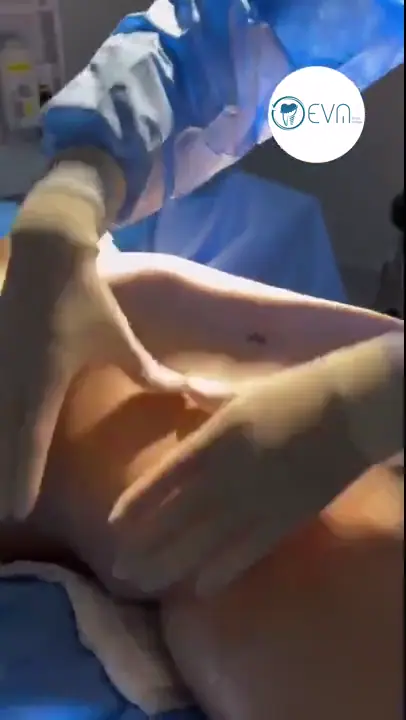
Liposucción Vaser
Adeline Liposucción Vaser antes y después
Liposucción Vaser 4D
Abbey Liposucción Vaser 4D en Turquía: antes y después
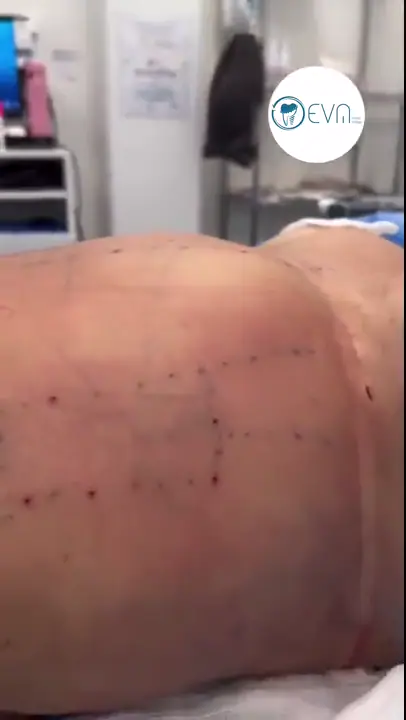
Liposucción Vaser Hi-Def
Liposucción Vaser Hi-Def de Alanna en Turquía antes y después
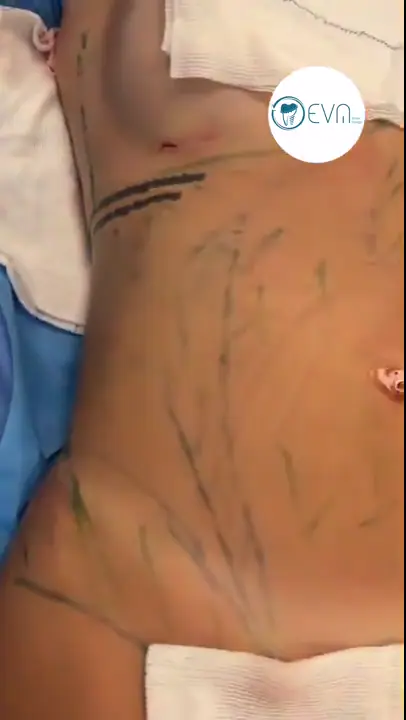
Liposucción
Liposucción de Abril en Turquía antes y después
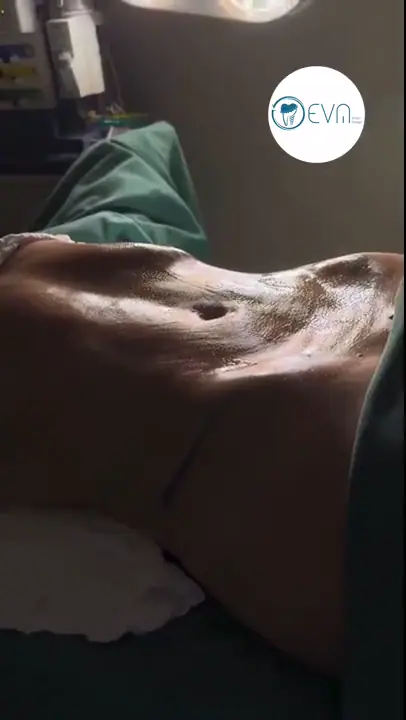
Liposucción Vaser
Aisha Liposucción Vaser en Turquía: antes y después
¿QUÉ ES LA LIPOSUCCIÓN?
La liposucción, también llamada lipoplastia o “lipo”, elimina depósitos seleccionados de grasa bajo la piel mediante pequeñas incisiones.
Se introduce una cánula fina en el área prevista. El cirujano usa movimientos controlados y succión para retirar tejido y remodelar el contorno.
Se introduce una cánula fina en el área prevista. El cirujano usa movimientos controlados y succión para retirar tejido y remodelar el contorno.
Puede considerarse para grasa localizada que persiste pese a un peso estable y hábitos adecuados. No trata la obesidad, no produce pérdida general de peso ni crea una forma corporal estándar.
Resumen del tratamiento
¿QUÉ PUEDE TRATAR LA LIPOSUCCIÓN?
Comprender el enfoque clínico del procedimiento.
Objetivos de contorno corporal
Reducción de grasa localizada
Puede reducir depósitos subcutáneos seleccionados que afectan al contorno o proporción de un área.
Refinamiento del contorno
Puede mejorar la transición entre áreas vecinas y crear un contorno más equilibrado.
No garantiza talla, peso, simetría ni aspecto concretos.
Áreas habituales
Según anatomía y evaluación, puede considerarse para:
- Abdomen
- Cintura
- Flancos o “michelines”
- Espalda
- Caderas
- Muslos externos
- Muslos internos
- Rodillas
- Brazos
- Pecho
- Barbilla
- Cuello
- Pantorrillas
- Tobillos
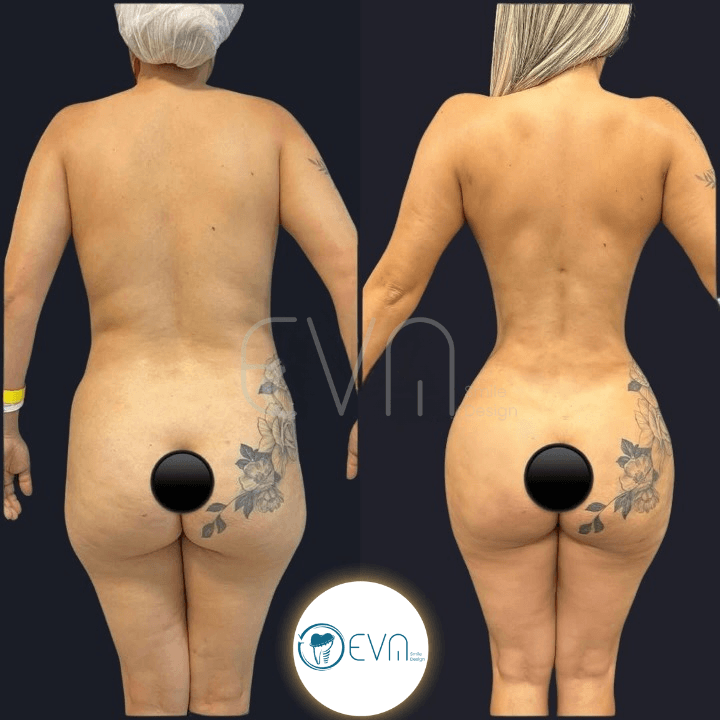
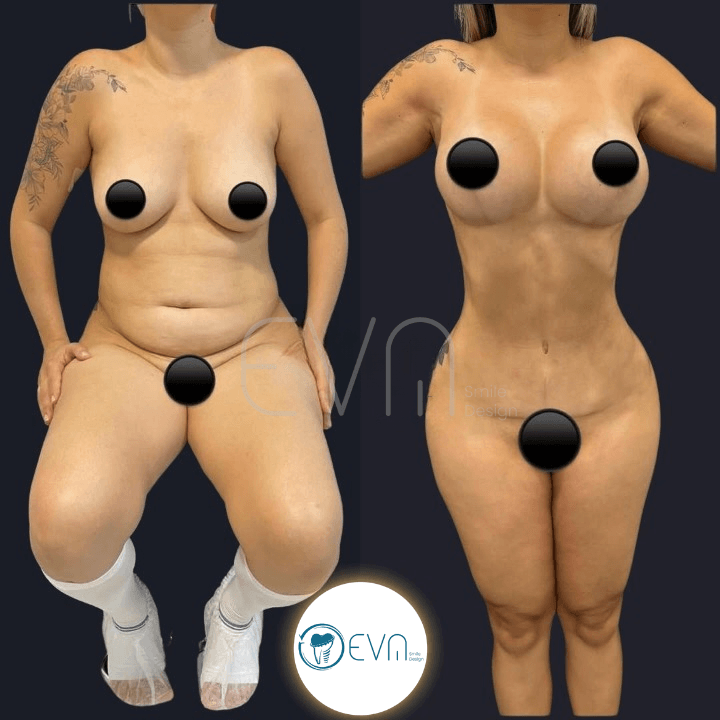
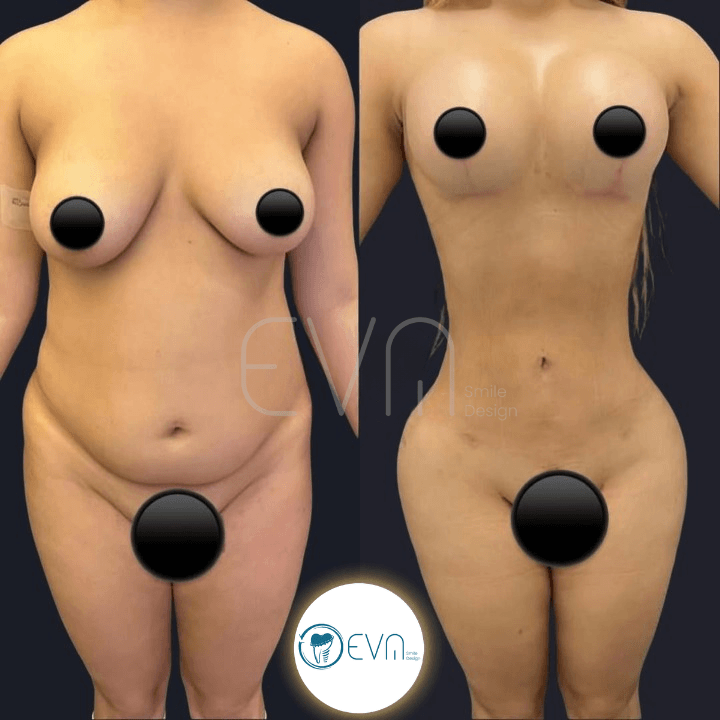
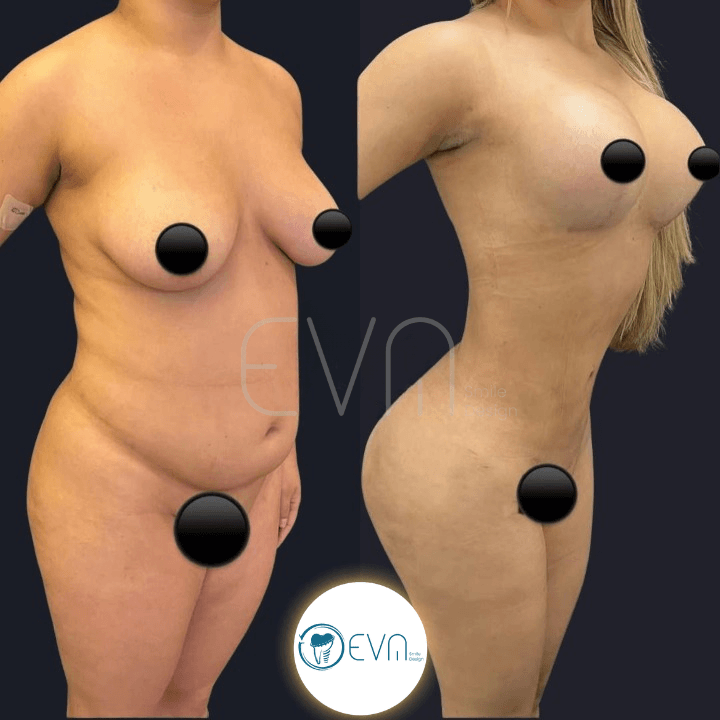
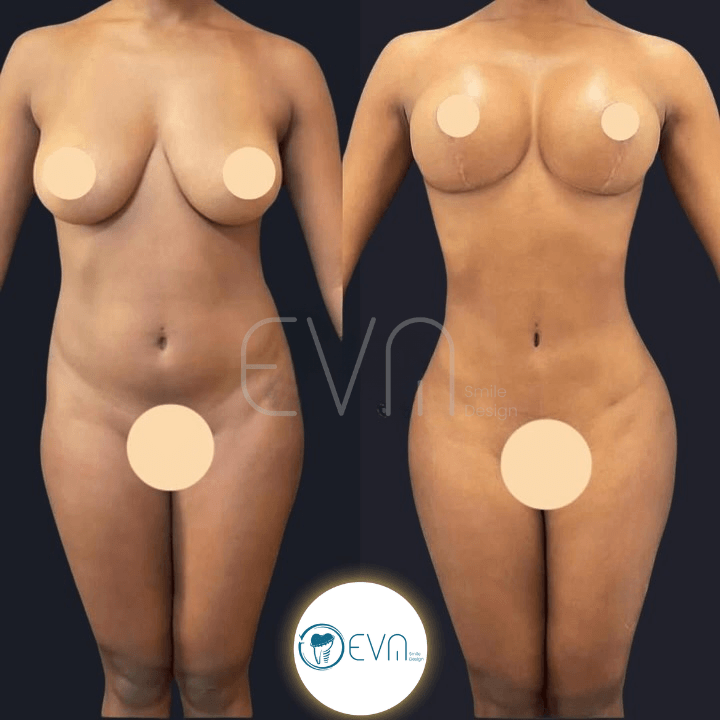
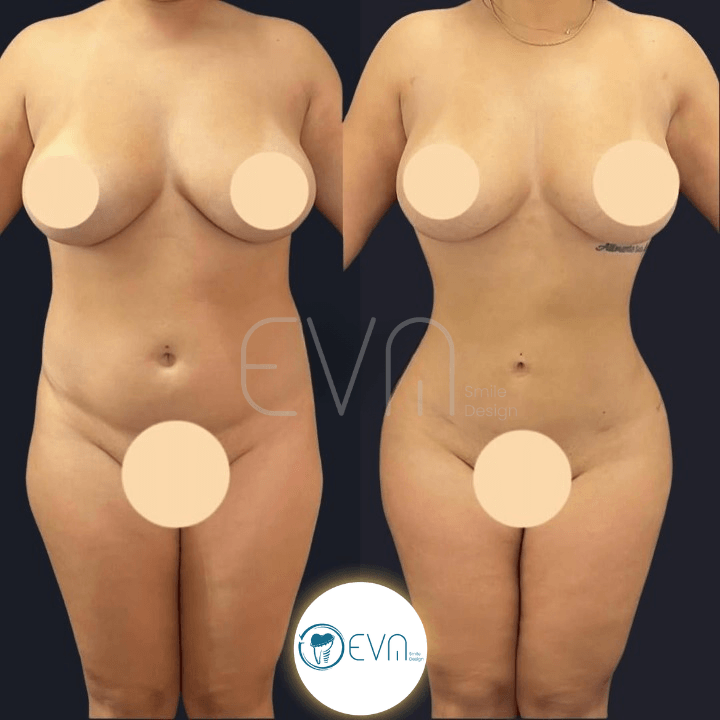
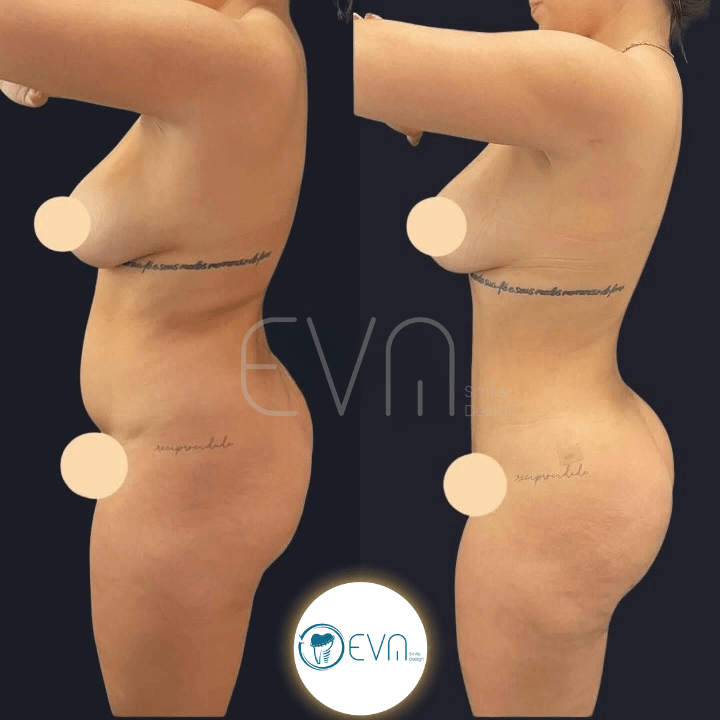
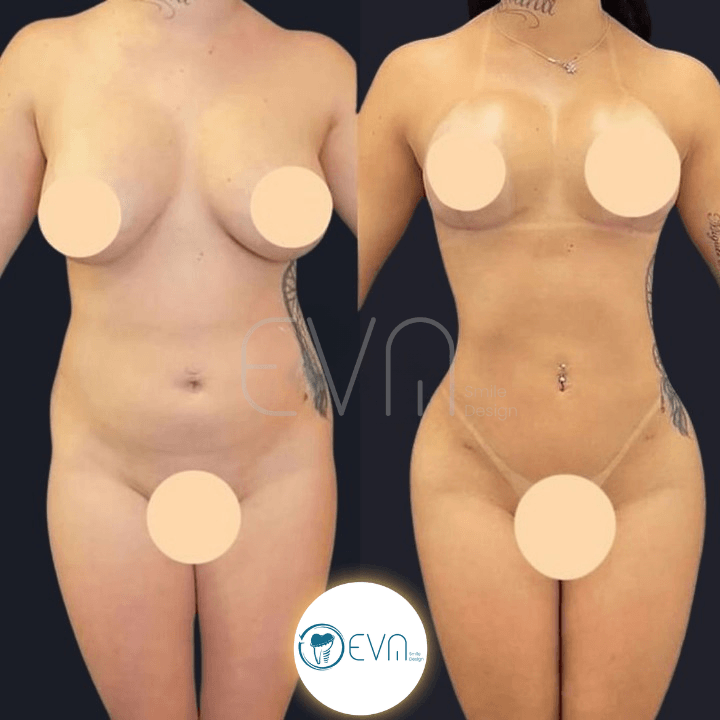
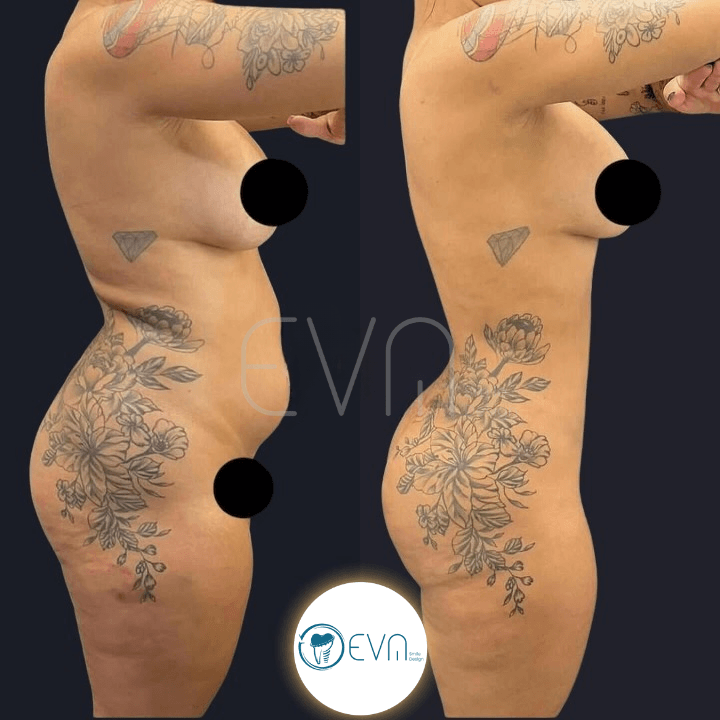
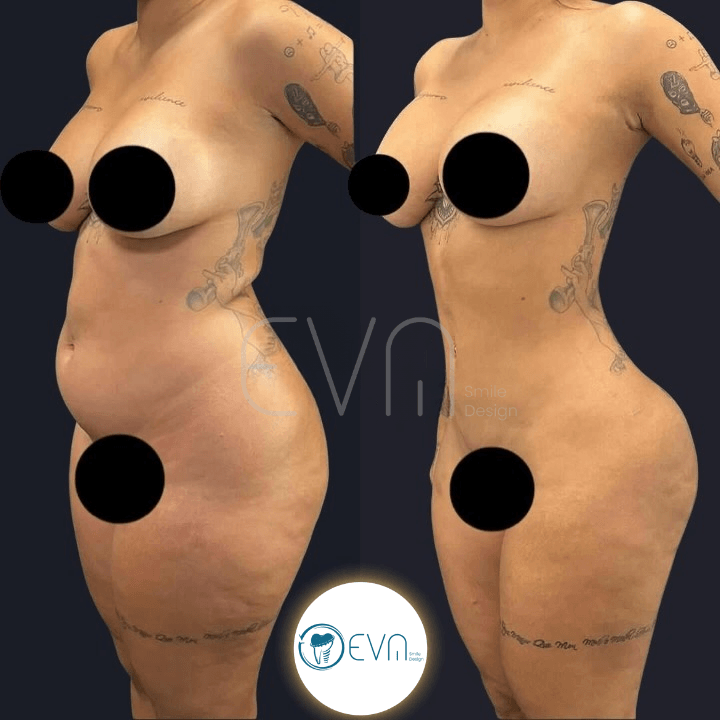
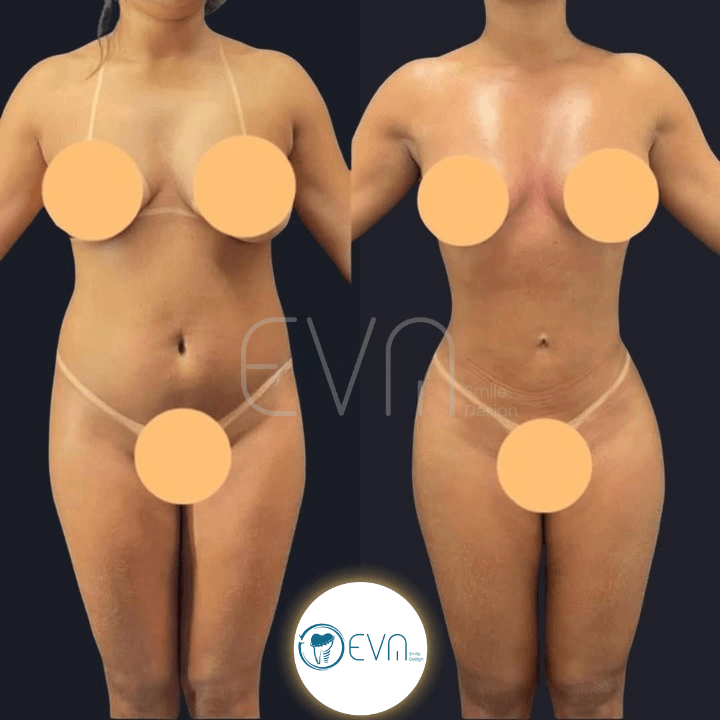
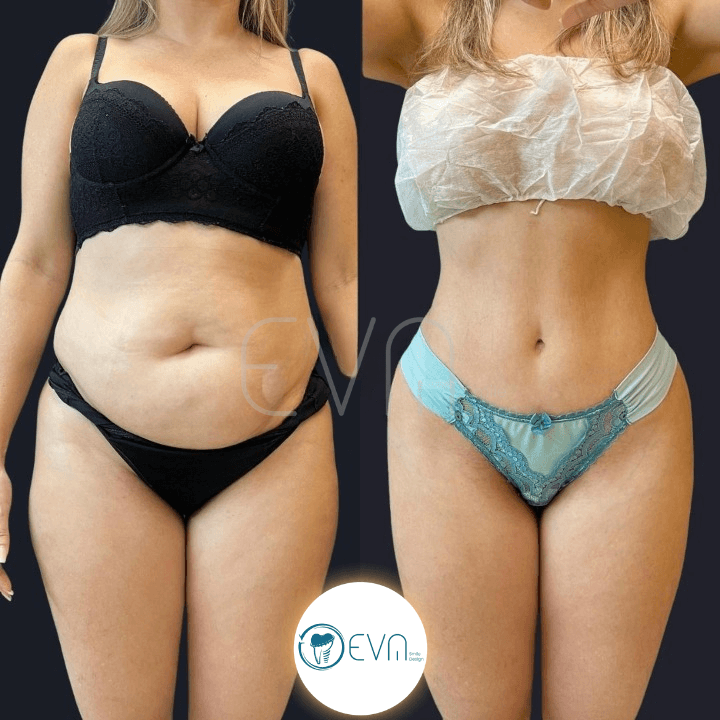
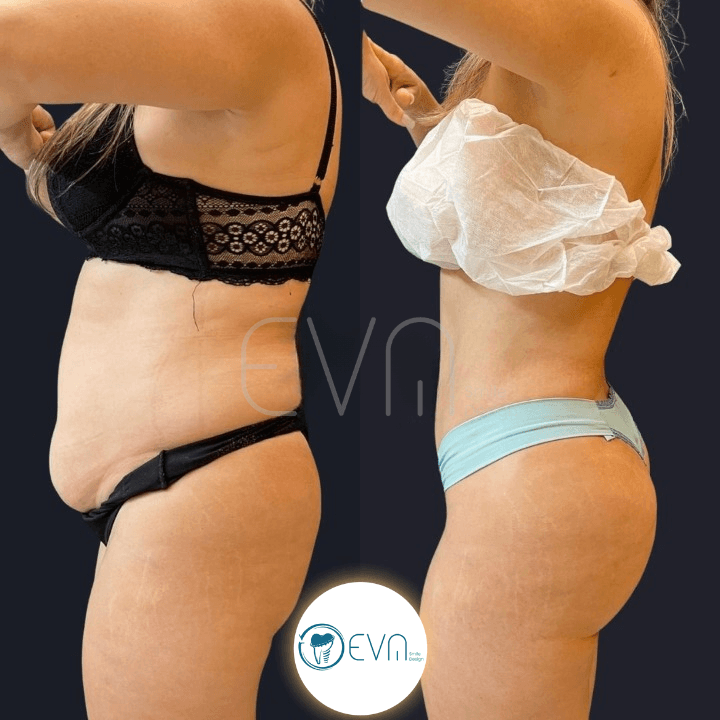
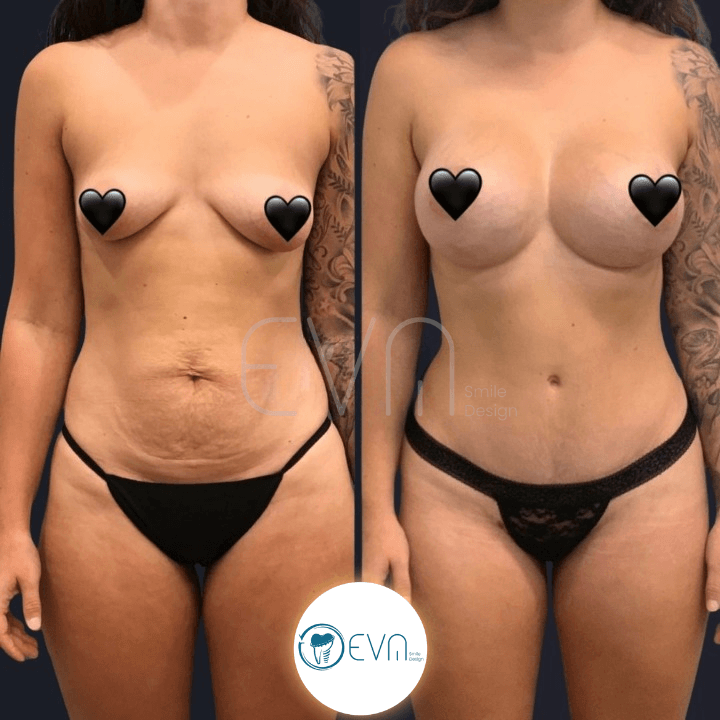
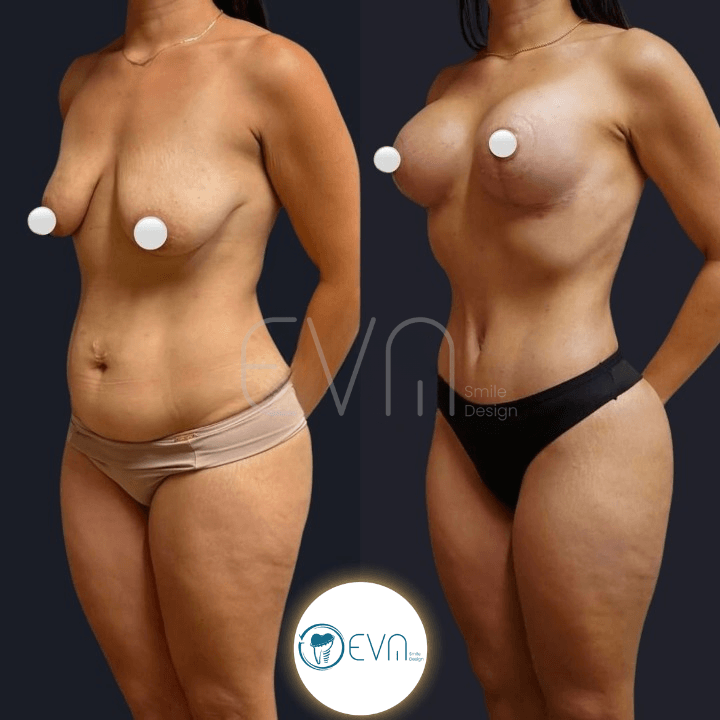
Liposucción Treatment Gallery
Las imágenes disponibles se muestran como contexto general de consulta. Los resultados varían y no pueden garantizarse.
Cómo funciona la planificación del tratamiento
El tratamiento en el extranjero comienza con la recopilación de información y una revisión preliminar. La idoneidad final, los riesgos y el plan de tratamiento solo se confirman tras la evaluación del profesional responsable.
Ponte en contacto
¿Tienes alguna pregunta o quieres saber más sobre lo que hacemos? Estamos aquí para ayudarte.
WHAT LIPOSUCTION CANNOT DO
Liposucción should not be presented as a solution for every body-contouring concern.
It is not:
- A treatment for obesity
- A substitute for weight loss
- A replacement for exercise or balanced nutrition
- A guaranteed treatment for cellulite
- A reliable method for removing loose or hanging skin
- A treatment for stretch marks
- A guarantee of perfect symmetry
- A method for producing a computer-generated body shape
- A guarantee against future weight gain
- A treatment for all forms of abdominal fullness
A patient with significant excess skin, reduced skin elasticity or abdominal muscle separation may require assessment for a different procedure, such as an abdominoplasty. Liposucción and tummy tuck surgery are not interchangeable.
LIPOSUCTION TECHNIQUES
Technique Selection Is Individual
Different terms are used to describe liposuction techniques. The presence of a particular device or brand name does not automatically mean that one technique is safer, more advanced or more suitable for every patient.
Traditional or Suction-Assisted Liposucción
A cannula is used to loosen and remove selected fatty tissue through controlled suction.
Tumescent Liposucción
A prepared fluid solution is introduced into the treatment area before fat removal. The exact solution and technique are determined by the treating professionals.
Power-Assisted Liposucción
A mechanically moving cannula assists the surgeon in loosening fatty tissue before removal.
Ultrasound-Assisted Liposucción
Ultrasound energy is used as part of the process of disrupting fatty tissue before it is removed.
VASER Liposucción
VASER is a form of ultrasound-assisted liposuction. It should not be promoted as automatically superior to conventional liposuction.
Its suitability depends on:
- The treatment area
- The amount and distribution of fat
- Skin characteristics
- Previous surgery
- Scar tissue
- The surgeon’s training and experience
- The intended contour
- Individual safety considerations
Laser-Assisted Liposucción
Laser energy may be used to assist with the treatment of fatty tissue before removal.
Water-Assisted Liposucción
A pressurised fluid stream may be used to loosen fatty tissue during the procedure.
The responsible surgeon should explain why a proposed technique is being considered, what evidence supports its use, which device will be used, what risks apply and whether an alternative technique may be appropriate.
WHAT IS 360 LIPOSUCTION?
“360 liposuction” is generally used as a marketing or descriptive term for circumferential treatment around the torso. It may involve selected areas of the abdomen, waist, flanks and back.
It is not one single standardised operation.
A proposal described as 360 liposuction should specify:
- The exact treatment areas
- The proposed surgical technique
- The estimated extent of treatment
- The planned anaesthesia
- The healthcare facility
- The expected monitoring
- The recovery requirements
- Whether an overnight stay is planned
- The specific risks of combining several areas
- What is and is not included in the quotation
A patient should not assume that every area around the torso can or should be treated during one operation.
LIPOSUCTION AND FAT TRANSFER
Fat removed during liposuction may sometimes be processed for use in a separate surgical fat-transfer procedure.
Fat transfer is not automatically included in liposuction. It introduces additional clinical decisions, risks, consent requirements and recovery considerations.
Patients should receive clear information about:
- Where the fat will be removed
- Where it may be transferred
- How the fat will be processed
- The proposed injection technique
- The expected degree of fat survival
- The possibility of asymmetry or volume loss
- Whether further procedures may be required
- The specific risks associated with the receiving area
Brazilian butt lift surgery, breast fat transfer and facial fat transfer must each be treated as distinct procedures rather than minor additions to ordinary liposuction.
WHO MAY CONSIDER LIPOSUCTION?
A person may request a liposuction assessment when they have persistent, localised fat deposits and would like to understand whether surgical contouring may be appropriate.
General assessment factors may include:
- The patient’s goals
- The distribution of fat
- Current and recent body weight
- Weight stability
- Skin quality and elasticity
- Muscle tone
- Previous weight loss
- Previous pregnancy
- Previous abdominal or body surgery
- Existing scars
- Hernias or abdominal-wall concerns
- General health
- Cardiovascular and respiratory health
- History of blood clots
- Bleeding or clotting disorders
- Diabetes
- Medication and supplements
- Allergies
- Smoking, vaping or nicotine use
- Previous anaesthesia
- Healing history
- Ability to follow recovery instructions
- Availability of suitable aftercare
- Planned travel
- Psychological readiness
- Realistic expectations
These are general considerations rather than a suitability checklist. Only the responsible surgeon and relevant healthcare professionals can determine whether surgery may proceed.
WHY LIPOSUCTION MAY NOT PROCEED
A surgeon may postpone, change or decline a proposed liposuction operation when:
- The requested outcome is not realistic
- Liposucción is unlikely to address the main concern
- The patient is seeking general weight loss
- Significant loose skin is the principal issue
- The proposed extent of treatment creates unacceptable risk
- A medical condition requires investigation or management
- There is an increased risk of bleeding or blood clots
- Relevant health information has not been provided
- Required tests have not been completed
- There is an active infection
- Weight is changing significantly
- The patient is unable to follow recovery requirements
- Smoking or nicotine use creates additional concerns
- Medication or supplements may affect surgery
- Appropriate aftercare is not available
- The proposed anaesthesia or facility is unsuitable
- Expectations cannot be aligned with an achievable outcome
- Another procedure or no surgery is considered more appropriate
Travelling to Istanbul does not create an obligation for a surgeon or healthcare facility to perform the operation.
LIPOSUCTION ASSESSMENT
A liposuction consultation may include discussion of:
- The areas the patient would like assessed
- The specific contour concern
- Current weight
- Recent weight changes
- Previous attempts at weight management
- Medical and surgical history
- Medication and supplements
- Allergies
- Smoking and nicotine use
- Previous anaesthesia
- History of blood clots
- Pregnancy history where relevant
- Previous body-contouring procedures
- Skin quality
- Skin elasticity
- Fat distribution
- Muscle tone
- Scars or hernias
- Possible surgical techniques
- Anaesthesia options
- Expected limitations
- Possible benefits
- Risks and complications
- Recovery requirements
- Compression garments
- Travel and fitness to fly
- Follow-up arrangements
- Alternatives to surgery
Photographs may support preliminary communication, but they cannot determine the depth of fat, skin quality, abdominal-wall anatomy, medical suitability or final surgical plan.
WHAT INFORMATION MAY BE REQUESTED?
For a preliminary review, the patient may be asked to provide:
- Age
- Height
- Current weight
- Recent weight changes
- Areas of concern
- Relevant photographs
- Medical conditions
- Previous operations
- Previous liposuction or body-contouring surgery
- Current medication
- Supplements
- Allergies
- Smoking or nicotine status
- Pregnancy history where relevant
- History of blood clots
- Previous anaesthesia problems
- Healing or scarring concerns
- Preferred travel dates
- Available recovery time
All requested information should be provided accurately. Missing or incorrect health information may affect the preliminary discussion, quotation and safety of the proposed pathway.
WHAT HAPPENS DURING LIPOSUCTION?
The exact steps vary according to the patient, treatment areas and selected technique.
A liposuction pathway may include:
- Admission and identity checks
- Review of medical information
- Review of the agreed treatment areas
- Physical examination and surgical markings
- Pre-operative testing where required
- Anaesthesia assessment
- Confirmation of informed consent
- Administration of anaesthesia or sedation
- Preparation of the treatment areas
- Creation of small access incisions
- Introduction of fluid where required by the technique
- Controlled loosening and removal of selected fatty tissue
- Assessment of contour and symmetry
- Closure or dressing of the incisions
- Application of compression garments where instructed
- Recovery monitoring
- Discharge or overnight observation when considered appropriate
The operation may differ from the preliminary description if the in-person examination identifies safety concerns or anatomical findings that could not be confirmed remotely.
ANAESTHESIA FOR LIPOSUCTION
Liposucción may be performed under:
- Local anaesthesia
- Local anaesthesia with sedation
- Intravenous sedation
- General anaesthesia
The appropriate method depends on factors such as:
- The size of the treatment area
- The number of areas
- The planned technique
- The anticipated procedure duration
- The extent of fat removal
- The patient’s health
- Previous anaesthesia
- The surgeon’s plan
- The anaesthetist’s assessment
- The healthcare facility
Anaesthesia should not be selected solely because one option appears more convenient or allows a faster discharge.
RISKS AND POSSIBLE COMPLICATIONS OF LIPOSUCTION
Liposucción is surgery and is not risk-free.
Possible risks and complications may include:
- Anaesthesia-related complications
- Bleeding
- Bruising
- Infection
- Pain
- Swelling
- Prolonged swelling
- Fluid accumulation or seroma
- Temporary or persistent numbness
- Altered skin sensation
- Poor wound healing
- Visible or raised scars
- Skin discolouration
- Irregular contours
- Asymmetry
- Dents or waviness
- Loose or rippled skin
- Unsatisfactory appearance
- Damage to nerves or blood vessels
- Damage to deeper structures
- Skin injury
- Skin loss
- Burns associated with certain energy-assisted techniques
- Fluid imbalance
- Blood clots
- Deep-vein thrombosis
- Pulmonary complications
- Fat embolism
- Cardiac complications
- Need for additional treatment
- Need for revision surgery
- Rare life-threatening complications
Risk may be influenced by the patient’s health, treatment area, number of areas, volume removed, surgical technique, anaesthesia, procedure duration, combination with other operations and quality of postoperative monitoring.
The responsible surgeon and anaesthesia professional should explain the risks most relevant to the individual patient before consent.
LIPOSUCTION RECOVERY
Recovery after liposuction is gradual and differs between patients.
The First Hours
The patient is monitored following anaesthesia and surgery. Discharge depends on the procedure, recovery progress and healthcare facility’s assessment.
Some patients may require overnight observation.
The First Days
Patients may experience:
- Swelling
- Bruising
- Soreness
- Tightness
- Temporary numbness
- Fluid leakage from small incisions
- Tiredness
- Reduced mobility
- Difficulty finding a comfortable sleeping position
Compression garments, dressings or temporary drains may be used depending on the operation.
The First Weeks
Swelling and bruising may gradually improve, but the body contour should not be judged too early.
The treating team may provide individual instructions regarding:
- Walking
- Showering
- Wound care
- Compression garments
- Sleeping position
- Driving
- Returning to work
- Lifting
- Exercise
- Alcohol
- Smoking and nicotine
- Medication
- Follow-up appointments
The Following Months
Residual swelling, firmness, numbness and contour changes may continue for several weeks or months.
Skin retraction and the final contour depend on skin elasticity, treatment extent, healing and weight stability. Some irregularity may improve as swelling resolves, while other concerns may persist and require further assessment.
General timelines are not guarantees. The treating team’s individual instructions take priority over website information.
COMPRESSION GARMENTS
A compression garment may be recommended after liposuction to support the treated areas and assist with management of postoperative swelling.
The type and duration of compression should be determined by the treating team.
Patients should receive instructions explaining:
- Which garment to use
- When to begin wearing it
- How many hours per day it should be worn
- How long it may be required
- How tight it should feel
- How to protect incisions
- When it may be removed for washing
- Which symptoms require contact with the treating team
An excessively tight or incorrectly fitted garment may create problems. Patients should not independently add stronger compression without professional advice.
WARNING SIGNS AND URGENT CONCERNS
Before discharge, the healthcare facility should explain how to contact the treating team and which symptoms require urgent assessment.
Seek urgent professional advice when instructed or when experiencing unexpected or worsening concerns such as:
- Significant or persistent bleeding
- Severe or increasing pain
- Rapidly increasing swelling
- Marked swelling on one side
- Increasing redness or heat
- Foul-smelling or unusual discharge
- Fever
- Worsening weakness
- Fainting
- Confusion
- Sudden shortness of breath
- Chest pain
- Coughing blood
- New calf pain or swelling
- Sudden rapid heartbeat
- Significant skin colour changes
- Blistering or signs of skin injury
- Reduced urine output
- Any symptom identified as urgent by the treating team
This list is not exhaustive and is not a diagnostic tool.
For an emergency, seek appropriate local emergency care rather than waiting for a reply from Eva Smile & Aesthetics.
IS LIPOSUCTION IN TURKEY A HOLIDAY?
Liposucción surgery in Turkey should not be treated as an ordinary holiday package.
The visit may involve:
- In-person consultation
- Testing
- Anaesthesia assessment
- Surgery
- Recovery
- Mobility restrictions
- Wound care
- Compression garments
- Follow-up examinations
- Possible changes to travel plans
Immediately after surgery, sightseeing, swimming, sun exposure, alcohol consumption, long excursions and physically demanding activities may be inappropriate.
Recovery requirements and the treating team’s instructions—not tourism plans—should determine the patient’s schedule in Istanbul.
FLYING HOME AFTER LIPOSUCTION
The appropriate time to fly home cannot be confirmed from a general webpage or before the patient has been assessed following surgery.
The decision may depend on:
- The extent of liposuction
- Number of treatment areas
- Anaesthesia
- Procedure duration
- Mobility
- Swelling
- Bleeding
- Hydration
- Blood-clot risk
- Existing health conditions
- Complications
- Follow-up schedule
- Length of the flight
- The treating team’s instructions
- Airline requirements
- Insurance conditions
General overseas-surgery guidance may provide a minimum reference period after liposuction, but this does not replace individual fitness-to-fly advice.
The patient should not book a non-changeable return flight based only on a generic package duration.
LOCAL FOLLOW-UP AFTER RETURNING HOME
Before undergoing liposuction in Istanbul, international patients should understand how follow-up will work after leaving Türkiye.
Questions to clarify include:
- Which examinations take place before departure?
- Who will review the incisions?
- Are stitches dissolvable?
- Who will remove any non-dissolving stitches?
- How long should compression garments be used?
- Can routine follow-up be performed remotely?
- Which symptoms require in-person assessment?
- Is a suitable professional available in the home country?
- How will medical records be shared?
- Who pays for local consultations or tests?
- What happens if the patient needs urgent treatment?
- What happens if a fluid collection develops?
- What happens if revision surgery is discussed?
- Under which circumstances might a return to Istanbul be required?
- Which costs are and are not included?
Eva may help coordinate communication within its confirmed non-clinical scope. Medical assessment and treatment in the patient’s home country must be provided by an appropriate independent professional.
LIPOSUCTION COST IN TURKEY
There is no single reliable price for liposuction surgery in Turkey because the procedure and related arrangements differ between patients.
The cost may be influenced by:
- Number of treatment areas
- Size of the areas
- Surgical complexity
- Primary or revision liposuction
- Selected technique
- Type of anaesthesia
- Healthcare facility
- Surgeon and professional fees
- Anaesthesia fees
- Tests
- Medication
- Compression garments
- Overnight observation
- Length of stay
- Follow-up
- Transfers
- Accommodation
- Combination with another procedure
- Additional treatment
- Management of complications
- Revision arrangements
A written quotation should state:
- The exact proposed procedure
- The specified treatment areas
- The proposed technique
- Known inclusions
- Known exclusions
- Facility fees
- Surgeon fees
- Anaesthesia fees
- Medication arrangements
- Compression-garment arrangements
- Follow-up arrangements
- Payment stages
- Deposit conditions
- Cancellation terms
- Circumstances that may change the price
- Whether accommodation and transfers are separate
- Whether local aftercare is included
- Whether revision treatment is included
- What happens if surgery does not proceed
A low advertised price should not replace proper assessment, provider verification, risk discussion or a written treatment plan.
WHY THE LIPOSUCTION PLAN MAY CHANGE IN ISTANBUL
A preliminary proposal may change after the surgeon examines the patient in person.
Possible reasons include:
- Different fat distribution than photographs suggested
- Reduced skin elasticity
- Significant loose skin
- Scar tissue
- Previous surgery
- An abdominal-wall concern
- A possible hernia
- New medical information
- Changes in body weight
- Test results
- Anaesthesia findings
- Blood-clot risk
- Medication concerns
- Smoking or nicotine use
- Safety concerns about treating several areas
- A difference between the requested and achievable result
Possible outcomes include:
- Proceeding with the preliminary plan
- Treating fewer areas
- Modifying the technique
- Changing the anaesthesia plan
- Recommending another procedure
- Requesting further tests
- Delaying surgery
- Deciding not to operate
Patients should understand this possibility before making non-refundable travel or financial commitments.
LIPOSUCTION VS TUMMY TUCK
Liposucción and tummy tuck surgery address different anatomical concerns.
Liposucción
Liposucción primarily removes selected deposits of subcutaneous fat through small access incisions.
Tummy Tuck
A tummy tuck, or abdominoplasty, may involve removal of excess skin and, where planned, repair or tightening of parts of the abdominal wall.
Liposucción alone may not correct:
- Significant loose abdominal skin
- Hanging skin
- Extensive skin laxity
- Abdominal muscle separation
- Certain abdominal-wall problems
Some patients may be assessed for a combination of liposuction and abdominoplasty. Combining procedures may alter the risk profile, operation length and recovery requirements.
The appropriate option can only be determined after individual assessment.
PRIMARY AND REVISION LIPOSUCTION
Primary Liposucción
Primary liposuction refers to an initial liposuction procedure in an area that has not previously been treated surgically.
Revision Liposucción
Revision liposuction refers to further surgery after previous liposuction or another body-contouring procedure.
Revision cases may involve:
- Scar tissue
- Irregular contours
- Asymmetry
- Residual fat
- Excessive fat removal
- Skin laxity
- Altered blood supply
- Fibrosis
- Previous energy-assisted treatment
- Unclear previous treatment details
Revision surgery may be more complex and cannot guarantee complete correction.
Patients seeking revision assessment may be asked to provide:
- Previous operation dates
- Operative reports
- Previous photographs
- Details of the technique used
- Information about devices used
- Details of the amount removed
- Anaesthesia records
- Complication history
- Current symptoms
- Information about healing
YOUR LIPOSUCTION COORDINATION PATHWAY
Step 1 — Share Your Enquiry
Tell Eva which areas you are considering and why you are researching liposuction in Istanbul.
Step 2 — Provide the Requested Information
You may be asked for photographs, height, weight, medical history, medication and previous operation details.
Step 3 — Preliminary Information Review
The submitted information may be organised and shared with an appropriate healthcare professional or authorised healthcare facility where arranged.
Step 4 — Receive Preliminary Information
You may receive an initial indication of possible options, expected next steps and estimated costs. This is not a final surgical plan.
Step 5 — Verify the Providers
Review the surgeon’s identity, qualifications and experience, as well as the healthcare facility’s legal identity and authorisation.
Step 6 — Review the Written Quotation
Confirm the proposed areas, technique, inclusions, exclusions, payment terms and circumstances that may change the amount.
Step 7 — Plan Travel Responsibly
Allow enough time for assessment, surgery, recovery and follow-up. Avoid treating the trip as a standard holiday.
Step 8 — Attend the Individual Assessment
The responsible surgeon examines the patient and decides whether the proposed operation may proceed.
Step 9 — Treatment and Discharge
Surgery proceeds only after approval by the responsible professionals and healthcare facility.
Step 10 — Follow-Up and Return Home
Follow the treating team’s instructions and understand the plan for care after leaving Istanbul.
FREQUENTLY ASKED QUESTIONS ABOUT LIPOSUCTION IN TURKEY
What is liposuction?
Liposucción is a surgical body-contouring procedure that removes selected deposits of fat from beneath the skin through small incisions and a suction cannula.
Is liposuction a weight-loss operation?
No. Liposucción is not a treatment for obesity or a substitute for weight loss, balanced nutrition or exercise. It is generally intended for selected areas of localised fat.
Who is liposuction for?
Liposucción may be considered by a person with localised fat deposits, realistic body-contouring goals and suitable health, skin and anatomical characteristics. It is not appropriate for everyone.
Which body areas can be treated?
Depending on individual assessment, areas may include the abdomen, waist, flanks, back, hips, thighs, knees, arms, chest, chin or neck.
Can liposuction remove loose skin?
Liposucción removes selected fatty tissue but does not directly remove significant excess skin. Poor skin elasticity may limit the result or make another procedure more appropriate.
Does liposuction treat cellulite?
Liposucción is not considered a reliable treatment for cellulite and may not improve skin dimpling.
Can liposuction remove stretch marks?
No. Liposucción does not directly remove stretch marks.
What is VASER liposuction?
VASER is a form of ultrasound-assisted liposuction. Ultrasound energy is used during treatment before selected fat is removed.
Is VASER liposuction better than traditional liposuction?
Not automatically. The appropriate technique depends on the treatment area, anatomy, skin characteristics, surgical plan and the surgeon’s experience.
What is 360 liposuction?
The term usually describes treatment planned around several parts of the torso, such as the abdomen, waist, flanks and back. It is not a single standardised operation.
How much fat can be removed?
There is no safe generic amount that applies to every patient. The extent must be determined by the responsible surgeon based on the patient, procedure, facility and monitoring arrangements.
Can several areas be treated at once?
Sometimes, but treating several areas can increase procedure duration, anaesthesia requirements, fluid changes and recovery demands. The surgeon must determine what may be appropriate.
Will I need general anaesthesia?
Not necessarily. Local anaesthesia, sedation or general anaesthesia may be considered depending on the procedure and individual assessment.
Will liposuction leave scars?
Liposucción normally requires small access incisions. Scar location and appearance vary according to technique, skin characteristics and healing.
Is liposuction painful?
Pain, soreness and discomfort differ between patients. The treating team should explain what may be expected and provide individual postoperative instructions.
Will I need a compression garment?
A compression garment is commonly recommended after liposuction, but the type and duration must be determined by the treating team.
How long does liposuction recovery take?
Recovery differs according to the extent of treatment, number of areas, anaesthesia, health and healing. Swelling and contour changes may continue for weeks or months.
When can I return to work?
This depends on the type of work, procedure extent, discomfort, mobility and treating team’s advice. A generic website cannot confirm an individual return-to-work date.
When will I see the final result?
Early swelling can conceal the contour. The result should not be judged immediately, and further changes may continue for several months.
Are liposuction results permanent?
The removed fatty tissue does not make the patient immune to future weight changes. Remaining fat cells can enlarge, and pregnancy, ageing or substantial weight change may alter the contour.
Can liposuction results be guaranteed?
No. Surgery cannot guarantee exact symmetry, a specific body shape, freedom from complications or permanent satisfaction.
Could I need revision liposuction?
Yes. Further treatment may sometimes be considered because of asymmetry, residual fat, contour irregularity, healing, skin laxity or other concerns.
Can liposuction be combined with a tummy tuck?
It may be considered for some patients, but the combination changes the operation and risk profile. A surgeon must decide whether combined surgery may be appropriate.
Can removed fat be transferred elsewhere?
Sometimes. Fat transfer is a separate procedure with additional risks, consent requirements and limitations.
How long should I stay in Istanbul?
The appropriate stay depends on treatment extent, recovery, follow-up and fitness to fly. Patients should not rely solely on a generic package duration.
When can I fly home after liposuction?
Only the responsible professional can give individual fitness-to-fly advice. The decision depends on the operation, recovery, mobility, clot risk, complications and flight duration.
Is liposuction surgery in Turkey cheaper than in the UK or Europe?
Prices may differ, but comparisons should include the entire written quotation, travel, accommodation, aftercare, insurance, possible extended stays and complication-related costs.
How do I verify a hospital or clinic in Turkey?
Ask for the facility’s full legal identity and verify whether it appears in the relevant Republic of Türkiye Ministry of Health authorisation records.
How do I verify the surgeon?
Request the surgeon’s full name, specialty, professional registration, relevant experience and information about where the procedure will be performed.
Can Eva decide whether I am suitable?
No. Eva coordinates defined non-clinical stages. Only the responsible surgeon and relevant healthcare professionals can decide whether surgery may be appropriate.
Can photographs confirm my treatment plan?
No. Photographs may assist preliminary communication but cannot replace physical examination, medical assessment or anaesthesia review.
Why might the plan change after I arrive?
Physical examination may identify differences in fat distribution, skin elasticity, scar tissue, abdominal anatomy or health factors that were not clear during remote review.
Is liposuction in Turkey safe?
No country or destination makes surgery automatically safe. Safety depends on appropriate patient selection, the responsible surgeon, an authorised healthcare facility, anaesthesia, infection controls, procedure planning, monitoring and aftercare.
What happens if I have a problem after returning home?
Follow the written instructions from the treating team and obtain appropriate local medical care when required. Follow-up and record-sharing arrangements should be established before surgery.
Does Eva provide emergency care?
No. Eva is not an emergency healthcare service. Patients experiencing an urgent or emergency concern must contact appropriate emergency services where they are located.
What is Eva Smile & Aesthetics?
Eva Smile & Aesthetics is an international-patient coordination brand supporting people considering dental treatment or plastic surgery in Istanbul. Eva coordinates defined non-clinical stages and does not replace the responsible healthcare facility or treatment professional.
Related guide: Liposucción vs tummy tuck in Turkey
