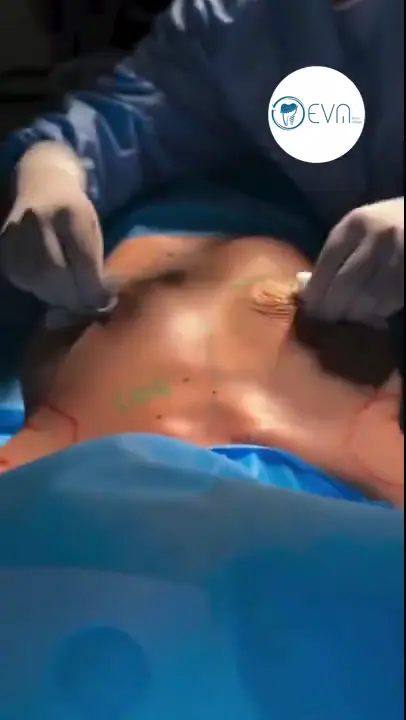
Bruststraffung
Bruststraffung vor der Reise verstehen
Umfassende Beurteilung und individuelle Planung einer Mastopexie in Istanbul mit besonderem Augenmerk auf Brustform, Brustwarzenposition, Narben, Gewebequalität und realistische langfristige Ziele.
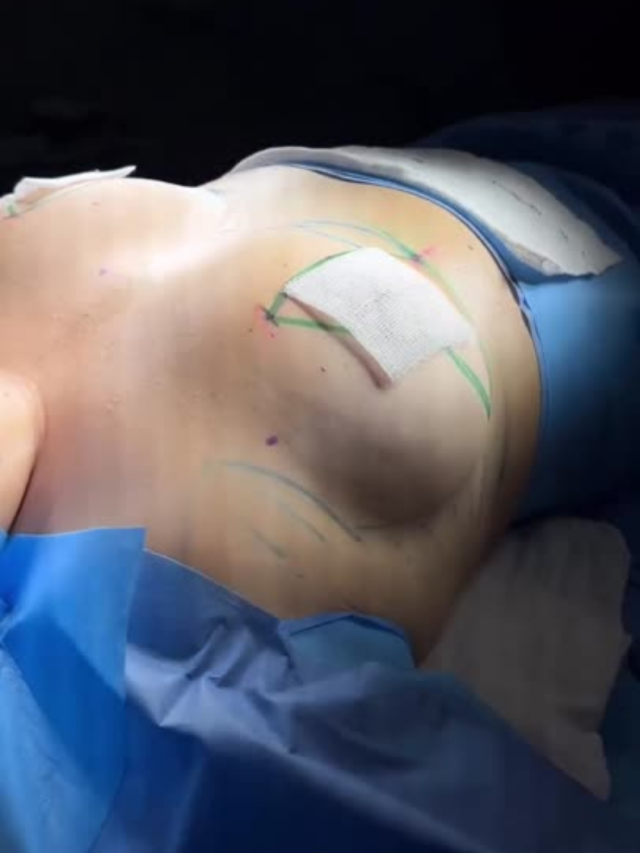
Bruststraffung Vorher & Nachher Videos
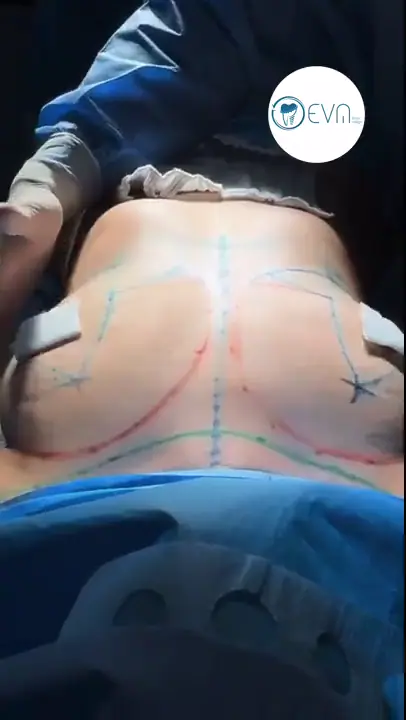
Bruststraffung
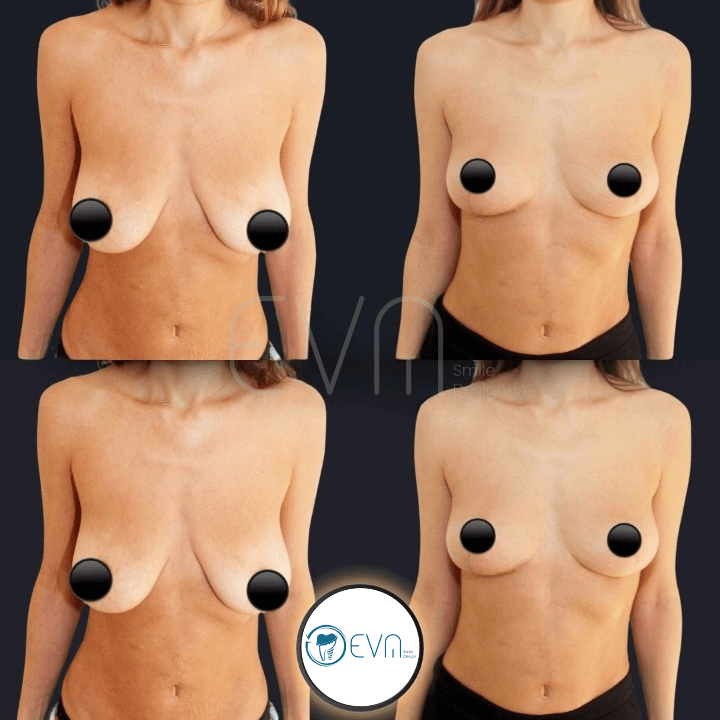
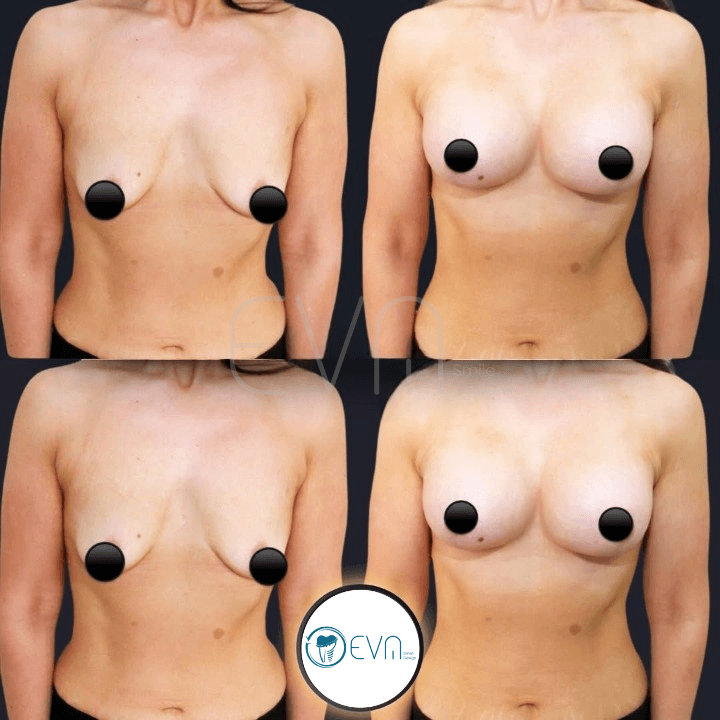
Alayna Bruststraffung in Turkey Before and After
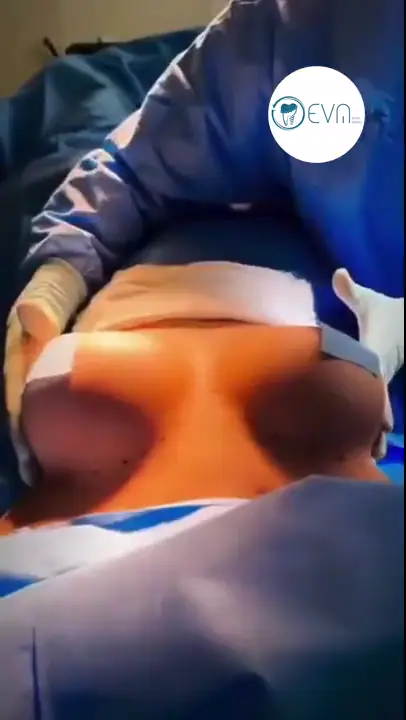
Bruststraffung
Alisha Bruststraffung Before and After
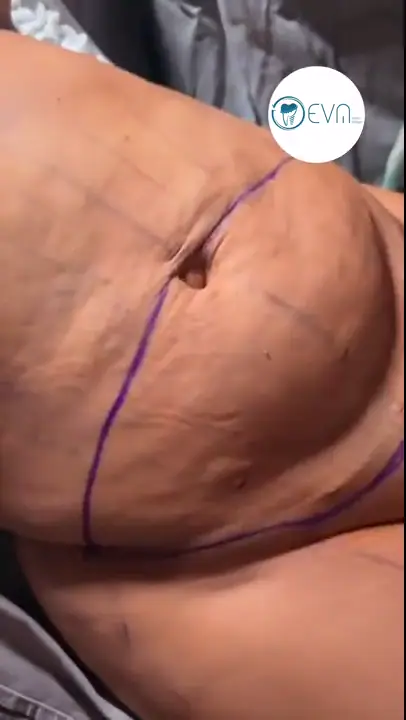
Bruststraffung
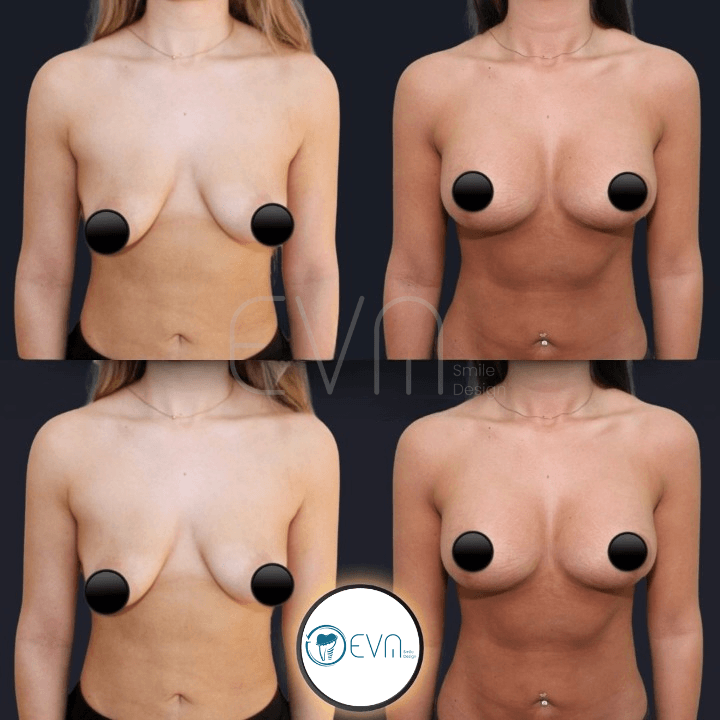
Aubrey Bruststraffung in Turkey Before and After
Bruststraffung
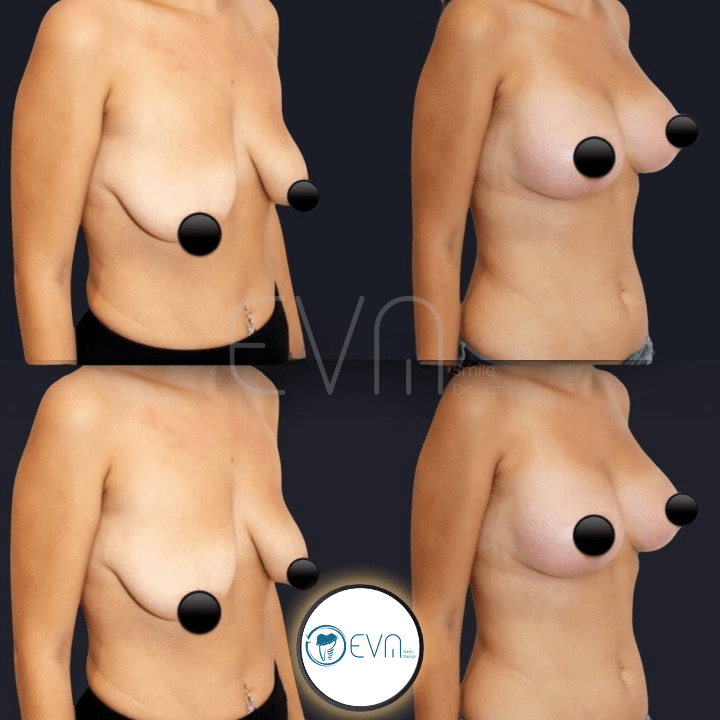
Avery Bruststraffung in Turkey Before and After
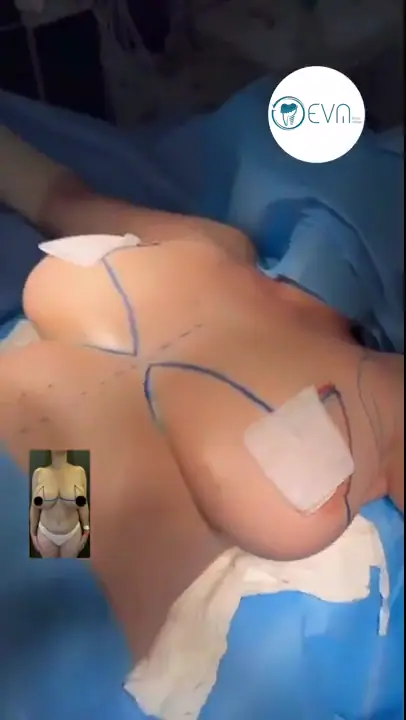
Bruststraffung
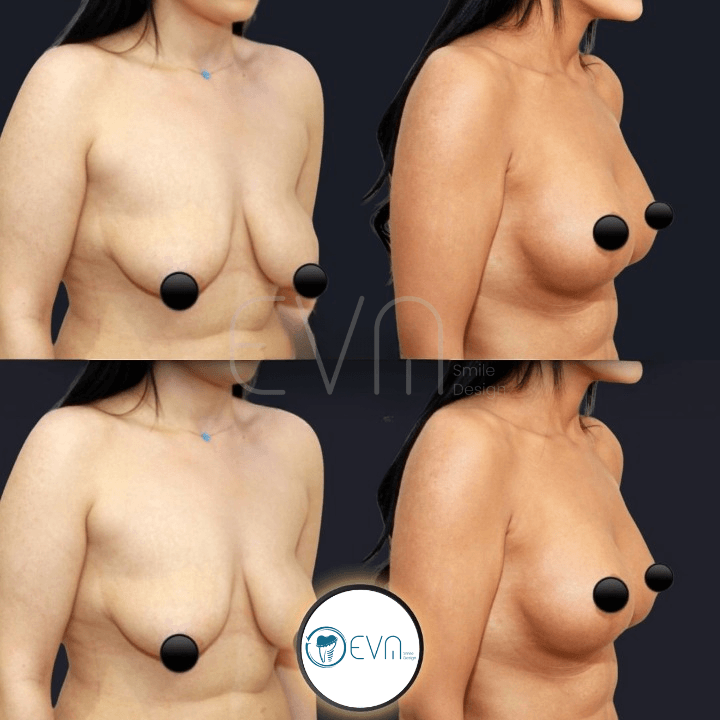
Brenda Bruststraffung in Turkey Before and After
What Is a Bruststraffung?
Eine Bruststraffung oder Mastopexie entfernt ausgewählte überschüssige Haut und formt vorhandenes Brustgewebe neu, um die Brust anzuheben und bei klinischer Eignung den Brustwarzen-Warzenhof-Komplex neu zu positionieren.
Der Eingriff wird individuell geplant. Hautqualität, Brustvolumen, Brustwarzenposition, Asymmetrie, frühere Operationen, Schwangerschaftspläne und Ziele beeinflussen das Schnittmuster und die Frage, ob eine alleinige Straffung oder ein kombinierter Eingriff infrage kommt.
Behandlungsübersicht
Chirurgische Aspekte
Den klinischen Schwerpunkt der Bruststraffungsplanung verstehen.
Ästhetische & strukturelle Ziele
Brustposition
Die Brust wird angehoben und neu geformt, wobei Brustwarzenposition und realistische Proportionen geplant werden.
Haut & Kontur
Ausgewählte lockere Haut wird entfernt und vorhandenes Gewebe entsprechend Anatomie und Gewebequalität neu verteilt.
Individuelle Planung
Alleinige Straffung
Eine Mastopexie kann ohne Implantate erfolgen, wenn das vorhandene Volumen zu den Zielen passt.
Kombinierte Eingriffe
Eine Vergrößerung oder Verkleinerung kann besprochen werden, wenn auch Volumen oder Brustgewicht berücksichtigt werden müssen.
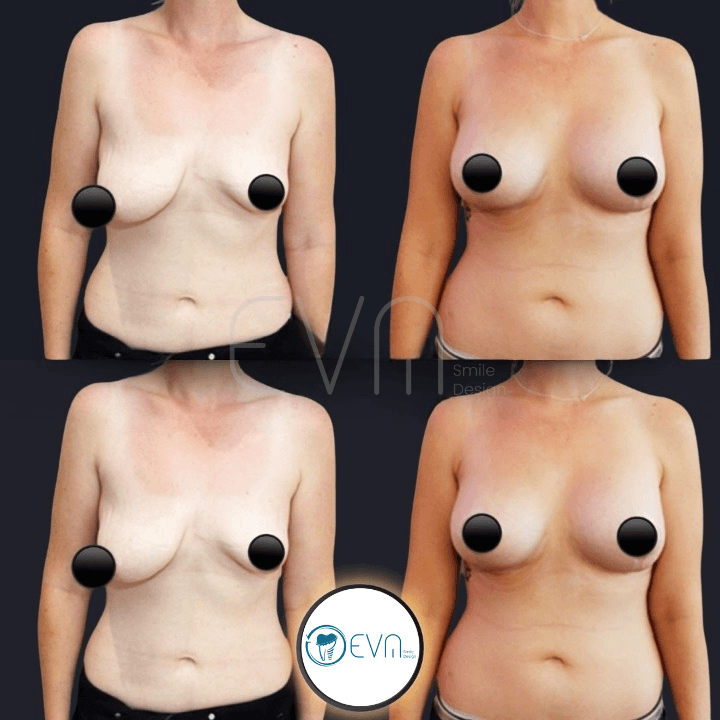
Behandlungsumfeld & Patientenerfahrungen
Verfügbare Medien zu Patientenerfahrungen und Beispiele von Gesundheitseinrichtungen bei koordinierten Behandlungen in Istanbul.
So funktioniert die Behandlungsplanung
Eine Behandlung im Ausland beginnt mit der Erfassung von Informationen und einer vorläufigen Prüfung. Die endgültige Eignung, mögliche Risiken und der Behandlungsplan werden erst nach der Beurteilung durch die verantwortliche medizinische Fachperson bestätigt.
Kontaktieren Sie uns
Haben Sie eine Frage oder möchten Sie mehr über unsere Arbeit erfahren? Wir helfen Ihnen gerne.
Bruststraffung Surgery in Turkey: Planning Mastopexy Treatment in Istanbul
A breast lift, also called mastopexy, reshapes and raises breast tissue by removing excess skin and repositioning the breast and nipple–areola complex. Eva Smile & Aesthetics supports international patients with defined non-clinical coordination before and after consultation in Istanbul. Only the responsible plastic surgeon can determine whether surgery is suitable and which technique may be appropriate.
What Is Bruststraffung Surgery?
Breast lift surgery is intended to improve breast position and contour when skin and supporting tissues have stretched. The operation may remove loose skin, reshape existing breast tissue and reposition the nipple and areola. It does not automatically increase breast volume, guarantee a particular cup size or prevent future changes caused by ageing, pregnancy, weight fluctuation or gravity.
A lift may be performed alone or combined with breast augmentation or breast reduction when clinically appropriate. Combining procedures changes the operation, risks, scars, recovery and long-term considerations.
What Can a Bruststraffung Aim to Change?
Breast position on the chest
Loose or stretched skin
Downward-pointing nipples
Nipple position below the breast crease
Enlarged or stretched areolae
Differences in breast height or shape
Loss of contour after pregnancy, breastfeeding, weight change or ageing
Surgery cannot guarantee perfect symmetry, a permanent shape, an exact bra size or an identical result to photographs or simulations.
Who May Consider Bruststraffung Surgery?
Mastopexy may be considered by adults who are concerned about breast drooping or loss of shape and who have realistic expectations. Assessment commonly considers general health, breast anatomy, skin quality, weight stability, smoking or nicotine use, pregnancy plans, previous breast surgery, medication and the ability to follow recovery instructions.
Surgery may be postponed or not recommended when health, smoking, unstable weight, pregnancy or breastfeeding, abnormal breast findings, unrealistic expectations or another clinical factor increases risk or makes the timing unsuitable.
Bruststraffung Assessment and Planning
A responsible consultation should include medical history, medication and allergy review, breast examination, measurements, skin and tissue assessment, nipple position, asymmetry, previous scars and discussion of the patient’s goals. The surgeon may recommend breast imaging or additional assessment according to age, history or findings.
Photographs can support preliminary communication but cannot confirm suitability, scar pattern, implant need, nipple viability or the final result. The surgical plan is established only after the required individual assessment.
Bruststraffung Techniques and Scar Patterns
The incision pattern depends on the amount of loose skin, breast size and shape, nipple position, tissue quality and the planned degree of reshaping.
Periareolar approach
An incision is made around the areola. It may be considered for limited lifting in selected patients but is not suitable for every degree of drooping.
Vertical approach
Incisions commonly run around the areola and vertically to the breast crease. This allows more reshaping and skin removal.
Inverted-T or anchor approach
Incisions commonly run around the areola, vertically to the crease and along part of the breast crease. This may be used when more extensive skin removal and reshaping are required.
Every breast lift leaves permanent scars. Scars usually change with time but cannot be made invisible, and scar quality varies between individuals.
Bruststraffung Alone, With Implants or With Reduction
Breast lift alone
A lift reshapes existing tissue and removes excess skin. It may improve position without adding an implant.
Breast lift with augmentation
An implant or, in selected situations, fat transfer may be discussed when additional volume is desired. Implants introduce separate device-related risks, monitoring needs and possible future operations.
Breast lift with reduction
When breast size or weight is also a concern, the surgeon may discuss removing breast tissue as well as lifting. This is a different treatment plan with its own implications.
The most appropriate option depends on anatomy, goals, tissue characteristics and the surgeon’s assessment rather than a standard package.
What Happens During Bruststraffung Surgery?
Mastopexy is commonly performed under general anaesthesia in an appropriate healthcare facility. The surgeon makes the planned incisions, removes selected excess skin, reshapes breast tissue and repositions the nipple–areola complex while protecting its blood supply. The incisions are closed and dressings or a support garment may be applied. Drains may be used in some cases.
Operation time, length of stay and discharge arrangements vary. The treating team should explain the individual plan, anaesthesia, facility, postoperative monitoring and who will be responsible for care.
Risks and Possible Complications
Breast lift surgery is invasive and is not risk-free. Possible risks include:
Bleeding or haematoma
Infection
Fluid collection
Delayed or poor wound healing
Thick, widened or noticeable scars
Temporary or permanent nipple or breast sensation changes
Breast asymmetry or contour irregularity
Fat necrosis
Partial or total loss of nipple or areola tissue
Difficulty breastfeeding
Anaesthesia complications
Blood clots and heart or lung complications
Unsatisfactory result or need for revision surgery
Smoking and nicotine exposure can significantly impair blood supply and wound healing. Individual risks and how they would be managed must be discussed directly with the responsible surgeon before consent.
Bruststraffung Recovery
The first days
Swelling, bruising, tightness, soreness and temporary changes in sensation may occur. Dressings, a surgical bra and sometimes drains may be used. Follow the treating team’s instructions for wound care, medication, sleeping position and activity.
The first weeks
Light activity may gradually increase, but lifting, strenuous exercise and pressure on healing incisions may be restricted. Return to work depends on the operation and the physical demands of the job.
The following months
Swelling and breast shape continue to settle. Scars usually mature over many months. The early position and shape should not be treated as the final result.
General recovery ranges are not individual promises. The responsible surgeon’s written instructions take priority.
Warning Signs and Urgent Concerns
The facility should provide emergency contact instructions before discharge. Seek urgent professional assessment for significant or one-sided swelling, persistent bleeding, severe or increasing pain, worsening redness or heat, pus or unusual discharge, fever, wound separation, colour change affecting the nipple or skin, calf pain or swelling, chest pain, shortness of breath, fainting or any symptom identified as urgent by the treating team.
Eva is not an emergency service. For an emergency, seek appropriate local emergency care without waiting for a coordination response.
Pregnancy, Breastfeeding and Future Weight Change
Future pregnancy, breastfeeding and substantial weight fluctuation can stretch the tissues again and alter the result. People planning pregnancy or active weight loss may be advised to delay surgery.
Breastfeeding may remain possible after some techniques, but it cannot be guaranteed. The effect depends on anatomy and the surgical approach. Pregnancy plans and breastfeeding priorities should be discussed before consent.
Travelling to Istanbul for a Bruststraffung
Breast lift surgery in Turkey should not be treated as an ordinary holiday. Travel plans should allow time for consultation, surgery, monitoring, wound review and recovery. Sunbathing, swimming, alcohol, heavy luggage and strenuous tourism may be inappropriate during early recovery.
Before travelling, verify the surgeon’s identity and credentials, the healthcare facility, anaesthesia arrangements, written treatment plan, risks, quotation, aftercare and the plan for complications after returning home.
Flying Home After Bruststraffung Surgery
The appropriate time to fly cannot be determined from a webpage or a generic package. It depends on the operation, anaesthesia, recovery, wound condition, clot risk, follow-up schedule, flight duration and the surgeon’s advice.
Discuss fitness to fly, compression garments, mobility during travel, medication, luggage restrictions and travel-insurance requirements with the responsible clinical team.
Local Follow-Up After Returning Home
Before surgery, establish which reviews occur in Istanbul, whether any drains or non-dissolving sutures require removal, who will assess wounds at home, how medical records will be shared and who pays for local or additional treatment.
Remote photographs may support communication but cannot replace an in-person examination when one is clinically required.
Bruststraffung Cost in Turkey
There is no single reliable price because cost varies with surgical complexity, lift technique, combination procedures, implants if used, surgeon and facility fees, anaesthesia, tests, garments, medication, length of stay and follow-up.
A written quotation should identify the proposed procedure, known inclusions and exclusions, payment stages, cancellation terms, circumstances that may change the amount, and whether complication or revision care is included. A low advertised price should not replace provider verification and informed decision-making.
Why the Bruststraffung Plan May Change
A preliminary plan may change after physical examination, imaging or new health information. Breast size, skin quality, asymmetry, nipple blood supply, previous scars, tissue thickness, weight, smoking status and the patient’s priorities may affect the recommended technique.
The surgeon may modify the incision pattern, recommend a lift without an implant, discuss reduction or augmentation, request further tests, delay treatment or decide that surgery should not proceed.
Your Bruststraffung Coordination Pathway
Step 1 — Share your enquiry
Explain what concerns you, previous breast surgery, pregnancy history and what you hope to understand.
Step 2 — Provide requested information
You may be asked for photographs, medical history, medication and available imaging information.
Step 3 — Preliminary review
Information may support an initial discussion but does not confirm suitability.
Step 4 — Verify providers and facility
Review the surgeon, healthcare facility and anaesthesia arrangements.
Step 5 — Attend individual assessment
The responsible surgeon examines you and determines whether a breast lift may be appropriate.
Step 6 — Review plan and consent
Understand technique, scars, alternatives, risks, recovery, costs and follow-up before deciding.
Step 7 — Treatment and discharge
Surgery proceeds only when approved by the responsible professionals and facility.
Step 8 — Follow-up and return home
Follow clinical instructions and maintain access to appropriate local care.
Frequently Asked Questions About Bruststraffung Surgery
Is a breast lift the same as breast augmentation?
No. A lift raises and reshapes existing tissue. Augmentation adds volume, usually with an implant or selected fat transfer. They may be combined in suitable patients.
Does a breast lift reduce breast size?
A lift mainly removes skin and reshapes tissue. The breasts may look or fit differently, but a specific cup size cannot be guaranteed. Reduction requires a distinct plan to remove breast tissue.
Will I have scars?
Yes. Every breast lift leaves permanent scars. Their position depends on the technique and their appearance changes over time.
Can photographs confirm my technique?
No. Photographs may support preliminary discussion, but physical examination is required to assess tissue, skin, asymmetry and nipple position.
Can nipple sensation change?
Yes. Sensation may increase, decrease or be lost temporarily or permanently.
Can I breastfeed after a breast lift?
Breastfeeding may remain possible, but it cannot be guaranteed and depends on anatomy and technique.
How long does recovery take?
Recovery varies. Many patients require time away from work and several weeks of activity restrictions, while swelling and scars continue to change for months.
When can I exercise?
Only according to the treating surgeon’s instructions. Heavy lifting and strenuous exercise are commonly restricted during early healing.
How long will the result last?
No exact duration can be guaranteed. Ageing, gravity, pregnancy, weight change, skin quality and breast weight continue to affect the tissues.
Can a lift correct asymmetry?
It may improve selected differences, but perfect symmetry cannot be guaranteed.
Do I need implants?
Not necessarily. Implant need depends on volume goals, anatomy and assessment. A lift can be performed without implants.
Can surgery be cancelled after I arrive?
Yes. New findings, tests, health concerns or safety considerations may require modification, delay or cancellation.
When can I fly home?
The responsible clinical team must advise based on the operation and recovery. Do not rely on a generic package duration.
What if I have a problem after returning home?
Follow written instructions, contact the treating facility and obtain appropriate local medical or emergency care when required.
Does Eva decide whether I am suitable?
No. Eva coordinates defined non-clinical stages. Suitability and treatment decisions belong to the responsible surgeon and healthcare facility.
Sources
American Society of Plastic Surgeons — Bruststraffung Risks and Safety
British Association of Aesthetic Plastic Surgeons — Breast Uplift (Mastopexy)
Content updated: 6 August 2026.
MEDICAL AND EDITORIAL NOTICE
This page provides general information about breast lift surgery and international-patient planning. It does not diagnose a condition, confirm suitability, establish an individual treatment plan, replace informed consent, provide emergency advice or guarantee a result. Clinical decisions and instructions must be provided by the responsible plastic surgeon and healthcare facility.
